
(Image: Life360)It’s a tale as old as time: the technology designed to keep you safe is found to be capable of putting you at risk. Such is the case with Life360, a smartphone application marketed as a way to keep track of family members’ whereabouts and ensure loved ones’ safety, which was just caught selling its users’ location data to basically anyone who asked. Two former Life360 employees, as well as two former employees at location data brokers X-Mode and Cuebiq, recently to The Markup that Life360 has served as a conduit for massive amounts of raw location data—perhaps the most of any source in the industry.
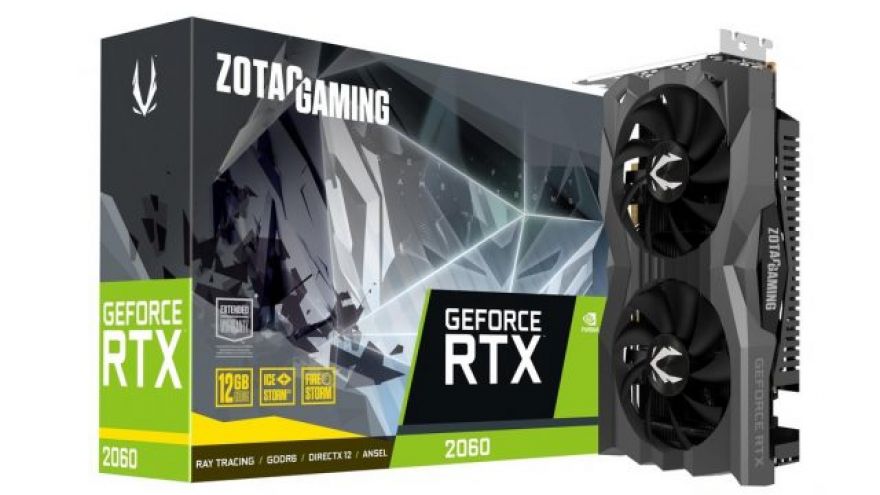
(Image: Zotac)A few days ago we wrote about the impending launch of Nvidia’s upgraded RTX 2060 GPU, which has double the memory from the previous card. The card is being billed as a solution to the current GPU supply crisis. Built with last-gen tech and featuring a low hash rate, it was hoped that miners would simply ignore the rejuvenated GPU. You won’t believe what happened next. The card silently launched on Tuesday, apparently, but judging by online reports it’s already out of stock everywhere, outrageously priced, or just doesn’t seem to exist, just like every other GPU.
The world struggles to produce enough power as it is, but there’s a real possibility we will have to phase out fossil fuels in the coming decades. And what’s left then? Wind? Solar? We might be able to skip the middleman and make our own solar energy via fusion, but the technology to make that a reality is still evolving. However, researchers from the Lawrence Livermore National Laboratory (LLNL) say they’ve reached an important milestone in fusion power generation. For the first time, a fusion reaction has generated more power than the fuel absorbed. This puts humanity on the verge of creating usable energy by harnessing the power of the sun.

(Image: MSI)MSI has begun teasing a motherboard — the latest in their “Godlike” series, the MEG Z690 Godlike, intended to power systems based on Intel’s Alder Lake. Like the Z590 Godlike that came before it, this is a balls-to-the-wall motherboard with not only every bell and whistle you can think of, it’s adding a few that we never thought we’d ever see on a motherboard, all for a price that is probably going to be as equally outrageous. The leaks have been generated by the fact that the motherboard was issued a . The most audacious feature of this mobo is its 3.5″ LCD with touch capabilities that covers the upper-right quadrant of the PCB.
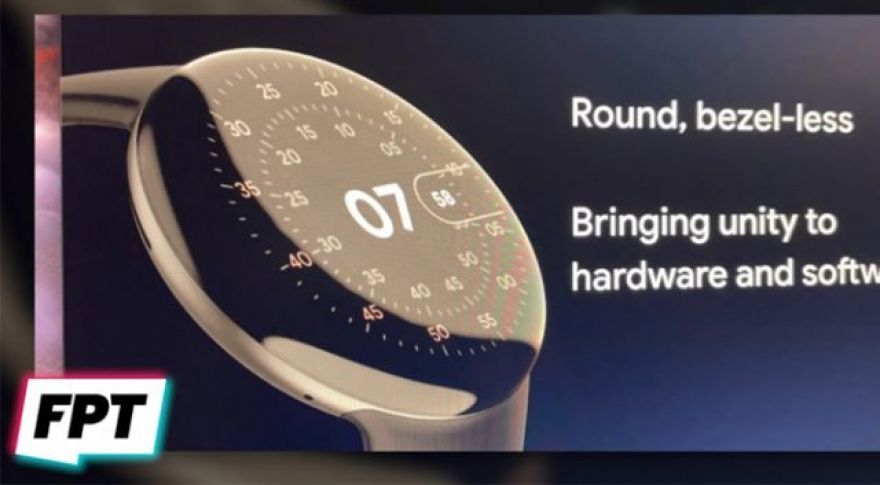
We’ve been waiting for to release its own smartwatch since it unveiled Wear OS (nee Android Wear) in 2014. That was even before the first Apple Watch launched, and Apple has since released seven generations of its wearable. Google, however, has refused to take the lead with Wear OS year after year. However, the company might finally have its say in smartwatches if a new leak is accurate. A series of images, courtesy of John Prosser, show a sleek, round smartwatch with a zero-bezel design. The leaked images call the unannounced device the Pixel Watch (codenamed Rohan). Google has been making its own phones under the Nexus and Pixel brands for years, but it has never done the same on the wearable side.
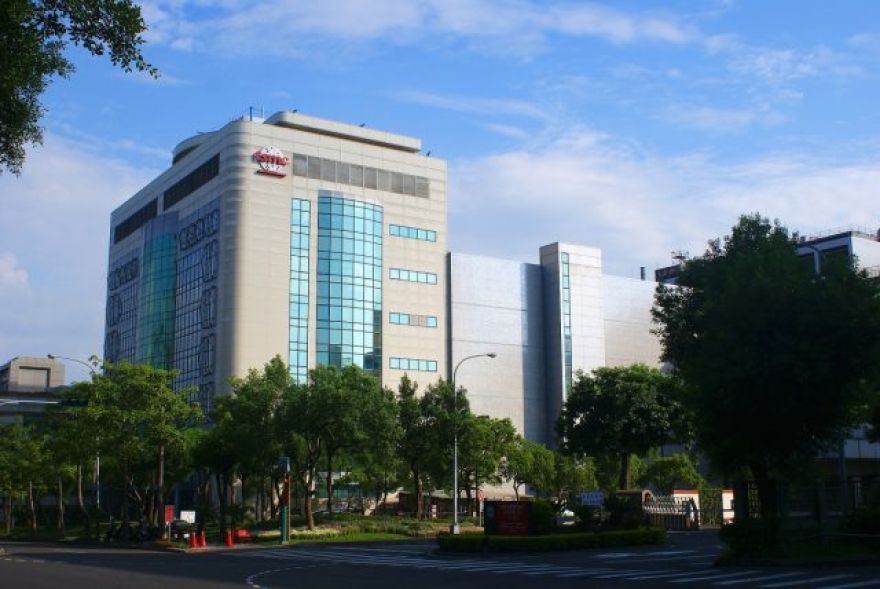
(Image Credit: Peellden, Wikimedia Commons, CC BY-SA 3.0 )Intel reportedly has a delicate situation on its hands. Although the chip-maker is humming right along with it its next-gen silicon at Fab 42, but there’s a teeny, tiny issue: It needs TSMC’s 3nm process for its Meteor Lake GPUs, but Apple is depending on TSMC’s to deliver all of its upcoming chips, which means all the SoCs for its future iPhone, MacBooks, iPads, and iMacs. That’s a lot of chips, and Intel supposedly sent reps to physically travel to TSMC in Taiwan this month, hat in hand. The crux of the issue, according to and is this: Intel’s not-yet-launched, cutting-edge technology is currently a 7nm process, .
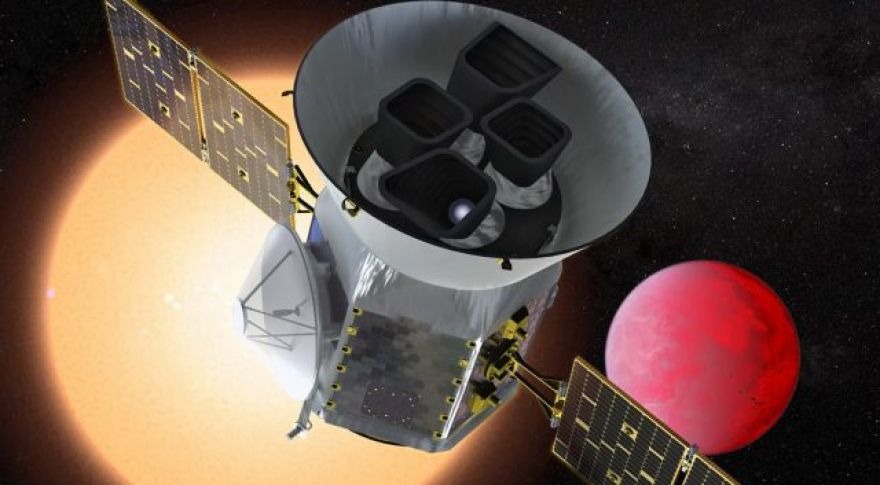
Astronomers have discovered well over 4,000 with the help of instruments like the dearly departed Kepler Space Telescope and the Transiting Exoplanet Survey Satellite (TESS). That latter mission just detected yet another planet, but this one is a bit unusual. According to a new study in the journal Science, the planet known as GJ 367 b appears to be . This molten world could, in the near future, help us understand some confounding aspects of our own solar system. GJ 367 b orbits a red dwarf star 31 light years away from Earth. Like Kepler, TESS is not designed to directly image exoplanets — that’s still impossible with current technology in all but a few cases.
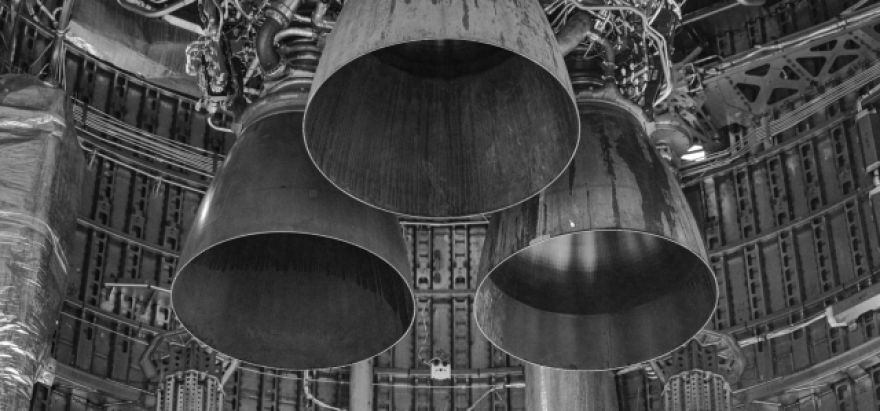
Three Raptor engines. (Image: SpaceX)Many SpaceX employees were required to work over Thanksgiving weekend to hopefully resolve Raptor engine issues that threaten to tip the company toward bankruptcy. In a companywide email acquired by , , and , CEO Elon Musk warned employees of engine concerns far worse than originally understood. “As we have dug into the issues following exiting prior senior management, they have unfortunately turned out to be far more severe than was reported. There is no way to sugarcoat this,” the email cautioned. “We need all hands on deck to recover from what is, quite frankly, a disaster.
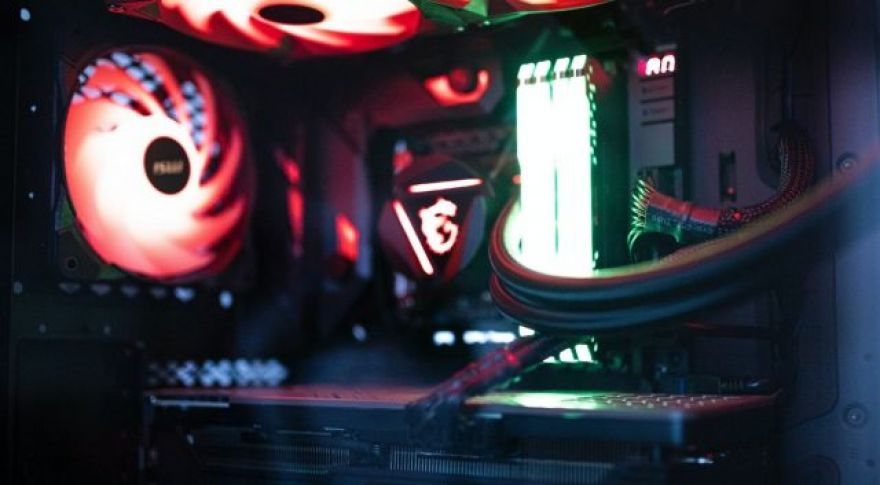
(Photo: MCaspar Camille Rubin)App monetization startup Massive has announced it plans to enable individuals to rent out spare compute power in exchange for access to apps and services. Jason Grad, Massive’s CEO, on Twitter earlier this week that the company had closed a $11 million seed round, allowing it to move forward with a monetization software development kit (SDK) that could support the project. Massive’s goal, as Grad explains, is to re-decentralize the internet and make it possible for people to pay for apps using their idle compute power. It’s a unique solution to a tired problem: how app developers and service providers manage to make money off of their work.