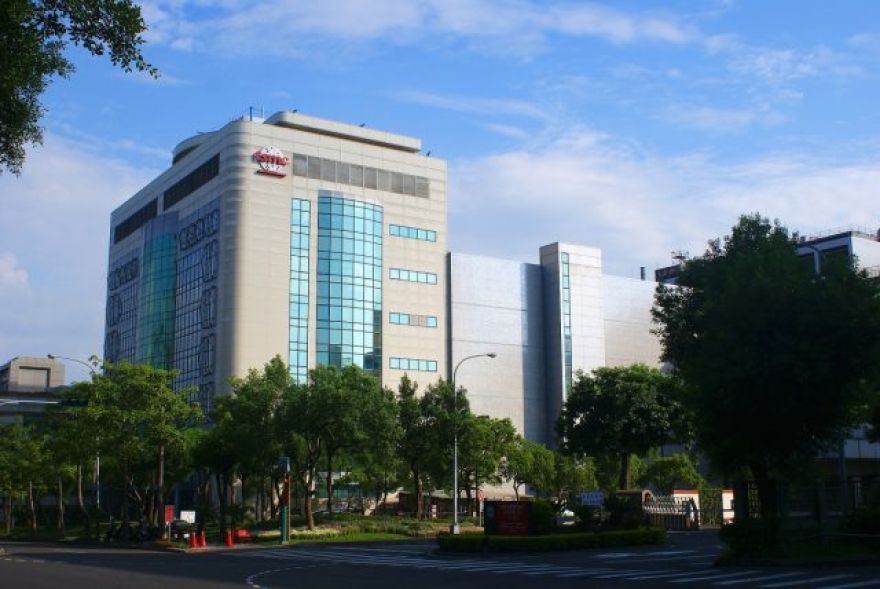
Report: Intel Trying to Secure TSMC 3nm Without Riling up Apple
The crux of the issue, according to and is this: Intel’s not-yet-launched, cutting-edge technology is currently a 7nm process, .
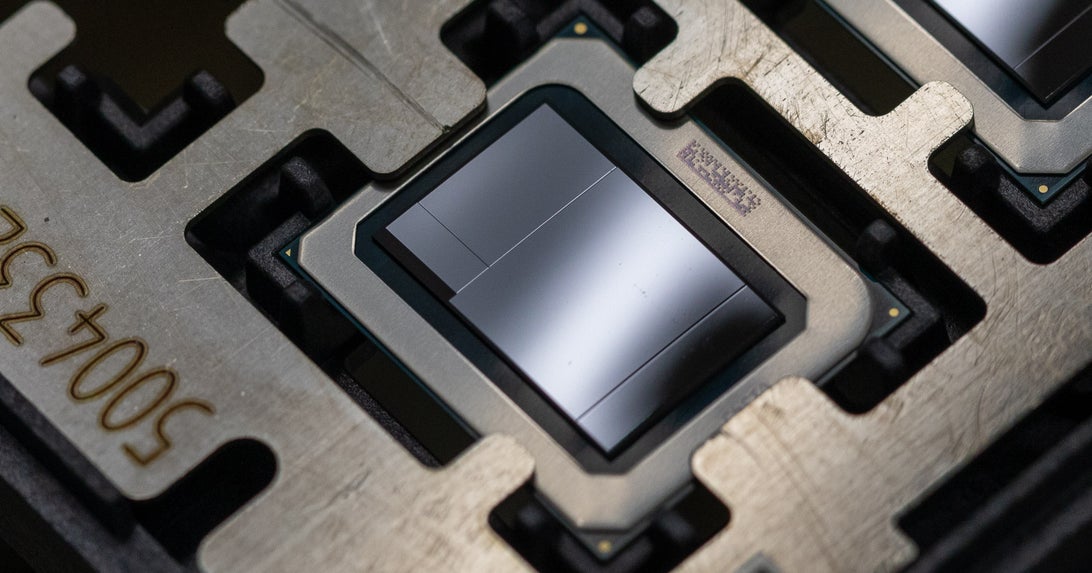
Intel’s 7nm Meteor Lake CPUs (Image: Cnet)
If you’re thinking, “Intel has its own fabs though,” that’s true, but it’s currently at least one generation behind TSMC in terms of moving from node-to-smaller node, as fabs do over time. Its current CPUs, Alder Lake, are built on a 10nm process, named Intel 7. Meanwhile, both Apple and AMD are already using TSMC’s current 5nm process, though AMD has yet to ship product on that node.
Since Intel doesn’t have a functioning 5nm node at this time, and it is reportedly seeking 3nm parts for Meteor Lake, that means it has to go to the only game in town: TSMC. Intel’s follow up to Alder Lake, which is named Raptor Lake, will likely simply be a refresh of the current chips, so they’ll probably be made on the same Intel 7 process.
This move by Intel to curry favor with TSMC raises some interesting questions, namely why would Intel care about upsetting Apple? The most obvious answer is that it wants Apple’s fabrication business, having notably lost it several years ago when the Cupertino outfit began jettisoning Intel’s chips from its products in favor of its own silicon. Intel has stated on the record that going forward, one of its goals is getting not only Apple but other similar companies back in its good graces. To do that though, it’s going to need to really step up its fabrication game, and Intel is aware of that. Intel’s new business unit, Intel Foundry, seeks to offer its silicon fabrication capabilities to 3rd parties such as tech companies and governments. The business unit only recently became functional, however, as it was announced in March of 2021, but in August it revealed it had already snagged a pretty big client: the .
As we previously reported, Intel is currently ramping up two additional fabs in Arizona — Fab 52 and 62 — at the cost of $20 billion, with plans for third fab that will cost a whopping $100 billion, location unannounced thus far. Along these lines, Intel has stated it wants to be in a position of “unquestioned leadership” by 2025 when it comes to its silicon wafer fabrication.
Now Read: