The question of whether or not Nvidia will be allowed to buy ARM got more complicated this week. The Federal Trade Commission has filed suit against Nvidia, alleging that the company’s plan to purchase ARM will harm the competitive market for microprocessors. The FTC complaint that allowing Nvidia to purchase ARM would give the company both “means and incentive” to stifle the development of various technologies. “The FTC is suing to block the largest semiconductor chip merger in history to prevent a chip conglomerate from stifling the innovation pipeline for next-generation technologies,” said FTC Bureau of Competition Director Holly Vedova.
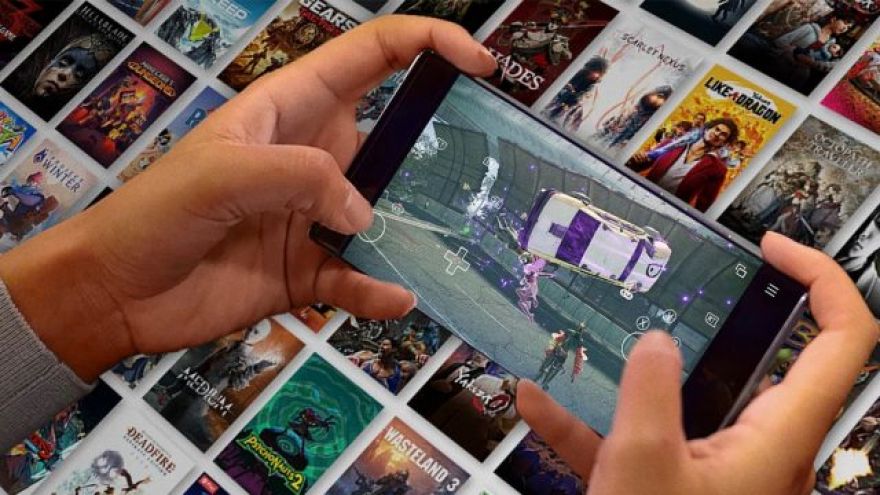
Microsoft is among those vying for a piece of the burgeoning cloud gaming ecosystem. Google has Stadia, Amazon has Luna, and Microsoft’s contribution is Xbox Cloud Gaming, previously known as xCloud. Microsoft has been pushing to add full touch controls to as many Xbox games as possible, and that approach seems to be paying off. According to a new Xbox blog post, , foregoing controllers altogether. The blog post in question is aimed at developers to get them interested in adding touch controls to streaming titles. Microsoft stresses that devs don’t need to make any changes to their underlying game code (just some tweaks to the cloud aware plugin), and it has sample layouts available on GitHub.
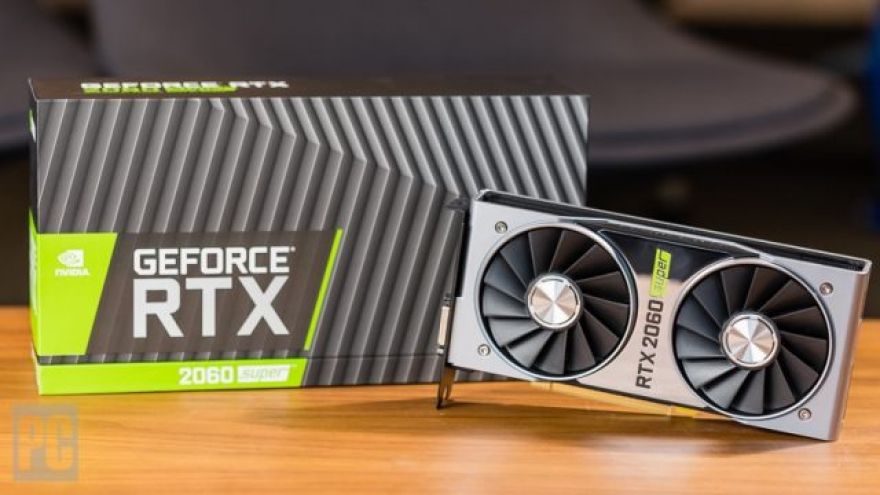
Rumors have been flying around for awhile now that Nvidia would be launching an RTX 2060 GPU with 12GB of memory, and today Nvidia confirmed it does exist. Instead of just launching the GPU via press release or with hardware-sampled reviews, it simply noted in its latest GeForce graphics driver 497.09 release notes that the RTX 2060 12GB is supported by the new driver. This “leak” means the GPU should be launching soon, most likely just in time for holiday shoppers to not be able to purchase one. The GPU is a “Turing refresh,” and will be a slightly upgraded version of the card that launched in January 2019.
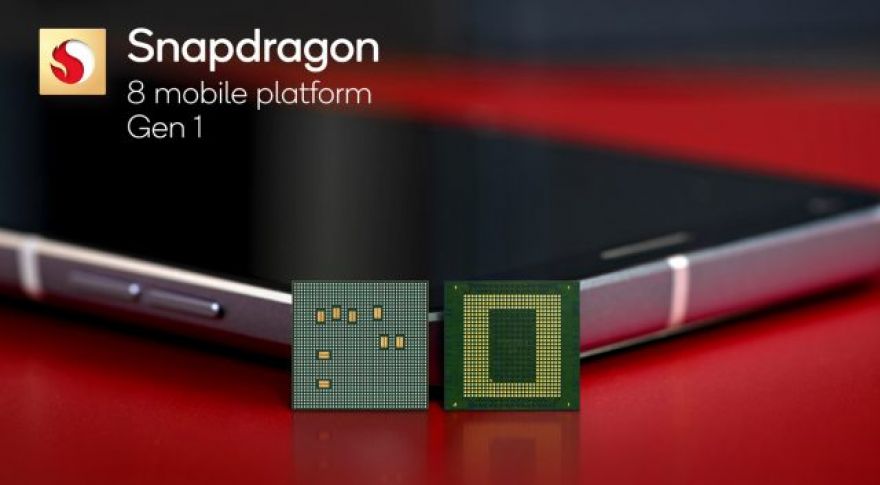
It’s that time of year again: Qualcomm has just . The rumored 898 model number isn’t happening, though. has changed its naming scheme with the latest flagship chip, which it calls the Snapdragon 8 Gen 1. It has the latest CPU, camera support, and 5G technology, and it’ll start shipping in phones very soon. The Gen 1 features Qualcomm’s first 4nm process node, helping the chip achieve the now-customary double-digit efficiency and power increases. More than that, this chip moves to the latest ARM core designs, which we saw previously in . The Gen 1 has a standard triple CPU island design.
Windows 11 launched earlier this year with a raft of UX changes, and users don’t love all of them. Case in point, the taskbar, which Microsoft opted to simplify both visually and functionally. The complaints are getting through, though. In the latest Insider builds, Microsoft has to the taskbar and start menu, but don’t get too excited — it can take months to get from an Insider build to release. The Windows 11 taskbar is instantly recognizable compared to the Win10 version thanks to the centered icons, but the changes are more than skin deep. Digging in, you’d quickly realize that many of the features you’ve taken for granted are gone.
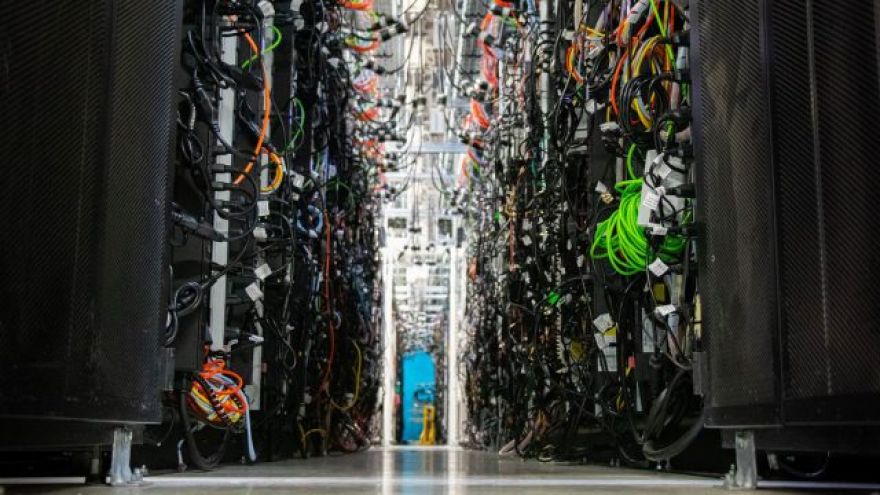
(Photo: Intel)Intel has been cranking out new software and hardware for as long as the company has existed, but it hasn’t maintained a central facility for dedicated security tests on its older hardware. That all changed in 2018, according to the , as the company began collecting as much “legacy” hardware as it could get its hands on, and then started squirreling it away in an , The reason is simple: so they can test new software and hardware on older systems, to make sure there’s no security issues. For example, let’s say Intel releases a new piece of software, or a driver, which happens regularly.
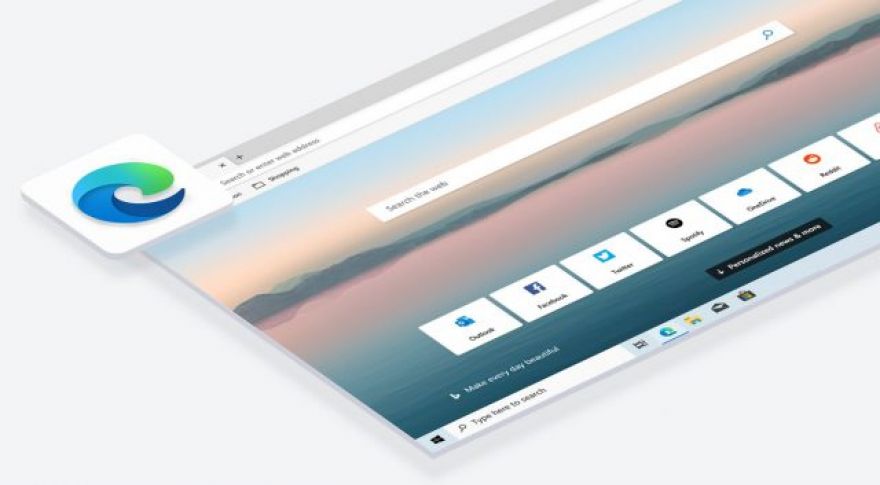
Google Chrome owns the lion’s share of the browser market, and it’s been that way for years. It’s hard for anyone to carve out a niche when Google is on top, but maybe Microsoft’s lack of success has a little something to do with its own questionable decisions. In the latest installment of “Microsoft begs you not to download Chrome,” the company has added cheeky pop-up alerts that appear if you search for Google’s browser in Edge. The pop-ups aren’t appearing in everyone’s browsers, but they are appearing frequently for folks running the latest Windows 11. Some Windows 10 users have reported seeing them as well.
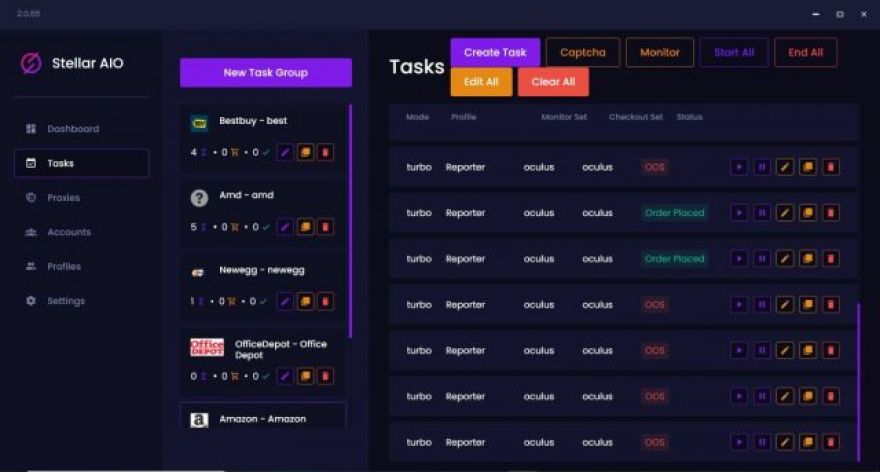
Prohibits manipulative work arounds that allow bad actors to use bots to circumvent control measures designed to protect real consumers.Makes it illegal to knowingly circumvent a security measure, access control system, or other technological control or measure on an Internet website or online service to maintain the integrity of posted online purchasing order rules for products or services, including toys, and would make it illegal to sell or offer to sell any product or service obtained in this manner.Allows the Federal Trade Commission to treat these abusive workarounds as prohibited unfair or deceptive acts or practices and take action against the bad actors.
Microsoft has had a heck of a time getting people to use its Edge browser, and it’s not for lack of trying. It spammed Windows 10 users, revamped the browser with a Chromium base, and has even made it more annoying to change your default browser in Windows 11. Edge’s unpopularity isn’t entirely Microsoft’s fault, but it’s not doing itself any favors with the latest change. Microsoft now plans to integrate a purchase financing service called Zip in Edge. But do we really need our browsers selling us loans? Microsoft made the announcement for “Buy now, pay later” earlier this month, and the response was swift and brutal.