
It hasn’t even been two weeks since Epic launched a legal volley at Apple and Google after daring them to remove Fortnite from their respective app stores. And yet, the case already has several twists and turns. The first of what will surely be many rulings in the cases has good news and bad news for Epic. Judge Yvonne Gonzalez Rogers says Apple for the time being, but Fortnite is fair game. The battle began on August 13th when Epic , which circumvented the 30 percent cut that both Apple and Google take from sales on their platforms. Naturally, Apple and Google pulled Fortnite from their stores.

Paleontologists have made a unique find: A 5-meter Triassic ichthyosaur with a 4-meter Triassic thalattosaur jammed down its gullet. By all appearances, the former literally bit off more than it could chew and choked on it. One of the challenges of studying prehistoric ecosystems is figuring out what, exactly, was eating what. Coarse-grained distinctions and broad inferences can be made based on factors like body plan, relative size, dentition (when present), limb structure, and known characteristics of the prehistoric environment. But these are generalities: Knowing that a bird’s beak is well-adapted to catching insects does not automatically tell you which insects it ate, while the limited fossil record may not preserve evidence of predators and prey in the same geographical area.
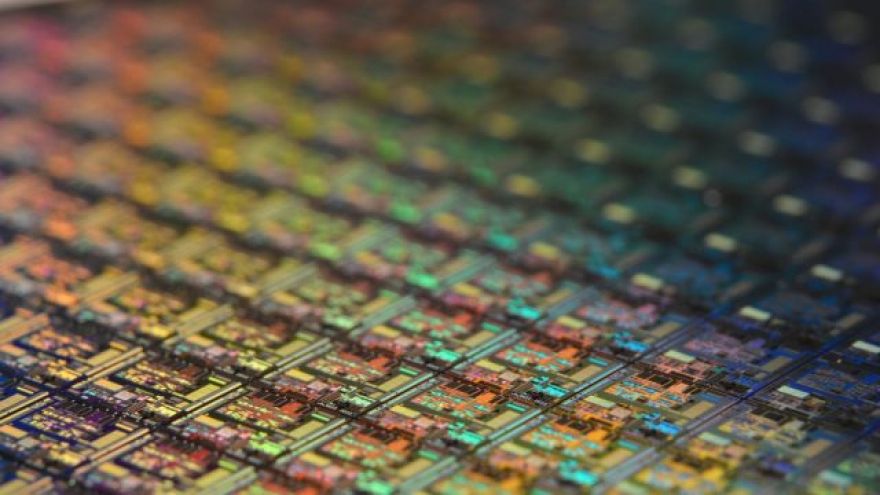
TSMC is celebrating a recent silicon milestone — one billion 7nm chips manufactured. That’s good die, not total manufacturing volume, and it’s enough to cover more than 13 Manhattan blocks. TSMC’s 7nm foundries are, according to TSMC, running beautifully. Whither Samsung? TSMC “As the first company to bring EUV into commercial production at the 7nm generation, our accumulated experience allowed us to lead the semiconductor industry once again this year with volume production of 5nm technology, which is our most advanced process today.” That’s an interesting claim, considering the split between Samsung and TSMC. Samsung, if you recall, pursued a different strategy from TSMC, with rather than making the transition in a one-two step the way TSMC did.
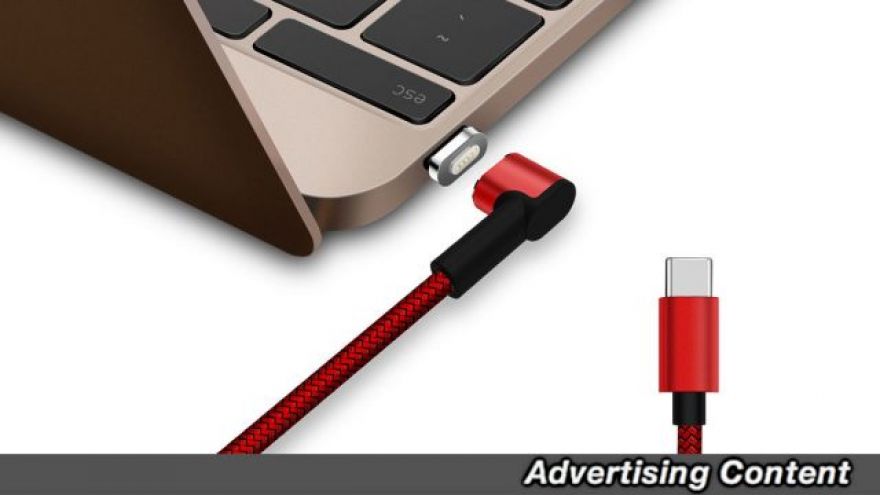
At some point in your tech-toting life, you’ve had the moment. That instant when you swung out your arm without thinking or unknowingly walked past a charging device…and accidentally yanked that previously invisible connecting cable. Pulled by the force, that laptop, phone, tablet or another tethered device went tumbling. Sometimes, you’re lucky and your device landed on carpet or otherwise survives. But other times, not so much. The is the answer to that doomsday scenario. The Plugies MagTech is a 6-foot, 6-inch nylon braided cable equipped with an anodized aluminum head tip that connects to any of your USB-C compatible devices for charging or data transfer.
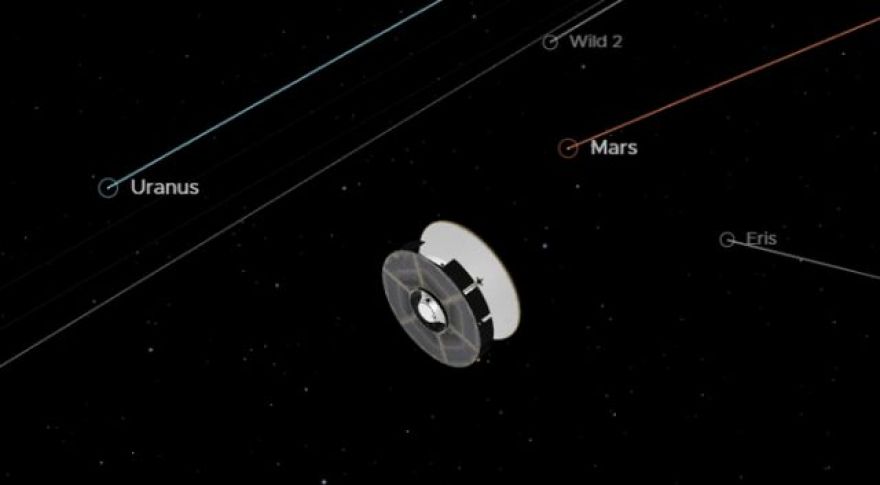
NASA’s Perseverance rover left Earth behind forever on July 30th, and there won’t be much to say about the mission until it reaches in February 2021. However, you can check in on the rover any time you want using NASA’s “” tool. There, you can follow the mission’s progress as it heads for the red planet. The NASA Eyes software is a simulation of the solar system that shows the locations of planets, moons, and NASA’s most notable missions in real-time. There is a full desktop application you can install for what NASA calls a “more immersive” experience. However, if you just want to check out the planets and the locations of a few robotic explorers, the web-based version is good enough.

Today you can save on a highly capable laptop from Dell with a $65 discount. Already got a PC? You can also now order Nintendo’s Ring Fit Adventure, which has been sold out for weeks and just now came back in stock with a $10 discount. Dell designed this modern laptop with one of Intel’s new Core i5-1035G1 processors and a fast 256GB M.2 NVMe SSD. This processor offers decent performance for daily tasks such as schoolwork and office work. It also has a capable integrated graphics processor, which can run some games with low settings reasonably well.
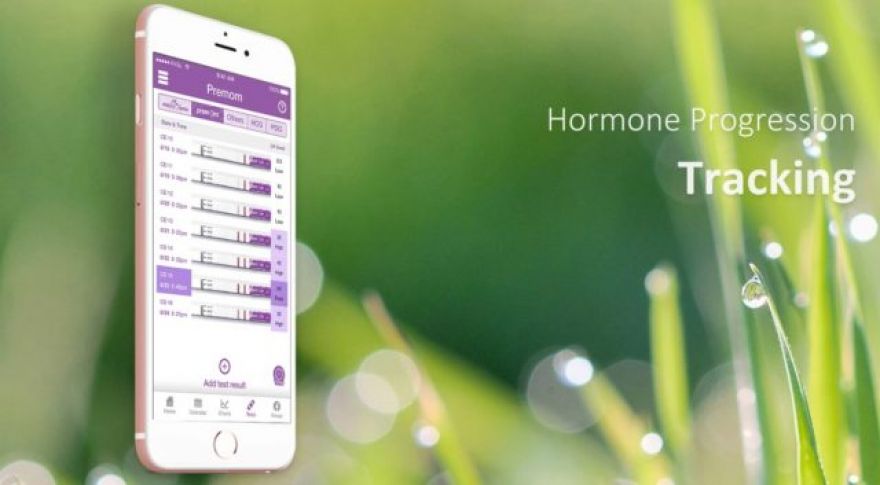
Premom, one of the top pregnancy apps on both Android and Google Play, bills itself as a method of helping you “get pregnant quickly and naturally.” It offers fertility and ovulation tracking and asks individuals to upload detailed information about their sexual health in order to provide advice on the best time of the month to try and get pregnant. It’s also been caught selling data to multiple Chinese companies, though thankfully, Premom’s medical data does not appear to have been part of what changed hands. Premom was selling information that’s more mundane — location data, information about what other applications are installed on one’s phone, and unique device identifiers that can be used to track individual users across multiple websites, like MAC addresses.
COVID-19 isn’t just putting the entire world on edge. It’s also sparked an unprecedented flood of cyberattacks. The FBI’s Internet Crime Complaint Center reported , up from about 1,000 per day before COVID. And did you know researchers found your Amazon Alexa to have “” when it comes to protecting you and your vital information from cybercriminals? In light of such stories, it’s easy to think that IT security is all about posting a strong defense. However, ethical hackers entrusted to defend computer systems play plenty of offense as well, using a forward-thinking approach to identify threats and neutralize them.

Android has grown to become the largest computing platform on the planet, and that makes it a target. You can’t spend much time on the internet without hearing about some new piece of malware that’s going to definitely, 100 percent wreck your phone. These reports are always based in fact, but they can overstate the real risks of picking up a piece of malware, and the definition of malware can be quite vague. Security firms are usually pushing a virus scanning app of some sort. However, Android is by its very nature more secure than a desktop computer, so maybe you don’t need these security apps.