It seemed like a foregone conclusion there would be a phone later this year called the “Pixel 3,” but you never can tell with . Today, that seems like an even safer bet. As is tradition, the first hints of Google’s next flagship smartphone have . Specifically, Google is optimizing code for a device called “Pixel 3.” It doesn’t get much clearer than that. The rest of the details are still murky. Android is open source, so anyone can hit the Android Open Source Project (AOSP) and see what Google is up to. In one recent commit, Google developers are working on an Auto Selection Network UI, and the change references the unreleased phone.
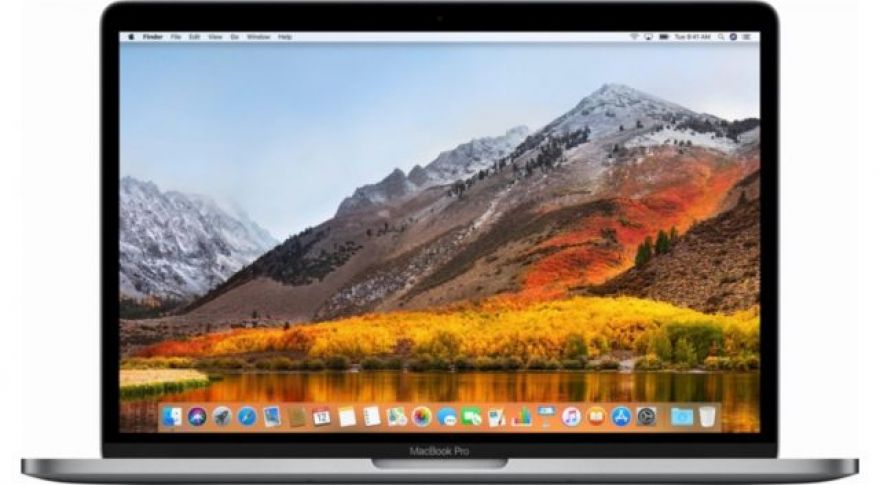
Until April 7th, Best Buy is offering up a nice discount on five configurations of the 13-inch MacBook Pro. And for the students among us, there’s potentially an extra $50 in savings if they sign up for Best Buy’s . • On the more affordable side, you can jump on the MBP bandwagons for just $1,199.99. This model features a Retina display, a dual-core Intel Core i5 CPU, a 128GB SSD, 8GB of RAM, and integrated Intel Iris Plus Graphics 640. It’s not the biggest and baddest machine in the world, but you’ll still benefit from the same fit and finish that Apple is known for.

About a decade ago, the X Prize Foundation partnered with Google to kick off the Google Lunar X Prize. The challenge offered cash prizes totaling $30 million to teams of engineers and scientists aiming to land an unmanned rover on the moon. However, the prize expired last week without being claimed. Now, the X Prize Foundation is starting over with a new call to visit the moon. However, this one . The original Google Lunar X Prize asked participants to undertake the seemingly attainable goal of getting a small rover onto the lunar surface. In order to claim the prize, an X Prize rover needs to travel 500 meters on the moon’s surface and send back HD images and video.
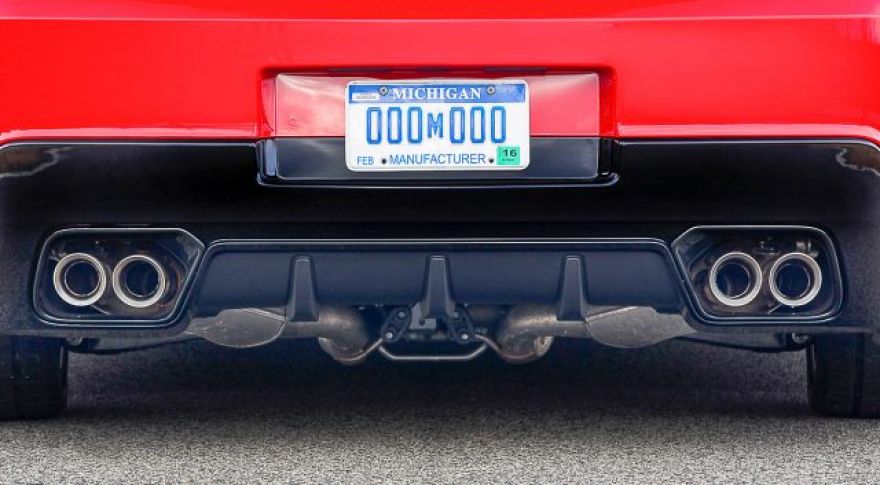
President Trump’s move to loosen fuel economy standards will polarize the country: SUV and pickup fans versus hypermilers, climate-change doubters and deniers versus those worried about global warming, and spread-out middle America versus California and densely populated northeastern states. It also pits America against most of the rest of the world that is trying to rein in fuel consumption and emissions. There’s also a simpler explanation: The administration is acknowledging America’s love affair with bigger vehicles that burn more fuel in a time of relatively cheap gasoline — slightly more costly than the historical average, but as much as a dollar a gallon less than much of the past decade.
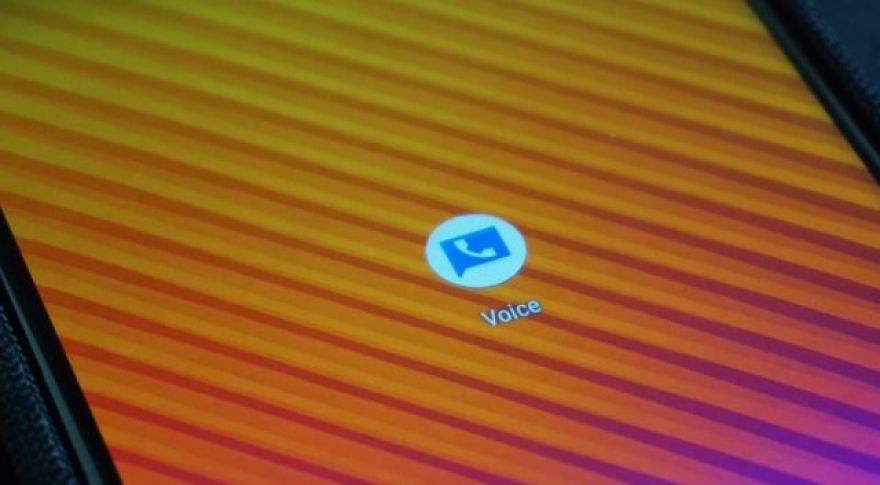
Google Voice was a wildly popular service when it launched more than nine years ago, but the company quickly lost interest. After years of neglect, is again working to improve Google Voice by updating its apps and rolling out new features. One long-awaited feature has just entered testing. Voice users can now . There are some substantial caveats, though. Despite appearances, Google Voice has never supported VoIP calls. That’s one of the things that made it so enticing back when it launched. You could sign up and get a phone number that acted like a real phone number.

Facebook is still in damage control mode following revelations that UK-based consulting firm Cambridge Analytica . After promising to reevaluate its privacy practices, Facebook has issued an update on numerous platform features. It also has a new estimate of how many users were affected by the profile harvesting, and it’s much higher than the initial estimates. Facebook says ended up in Cambridge Analytica’s hands. The initial news reports estimated that data from 50 million profiles had been handed over to Cambridge Analytica. In reality, it’s much more. However, Facebook is trying to casually gloss over that fact. The new count is at the bottom of Facebook’s privacy update post.
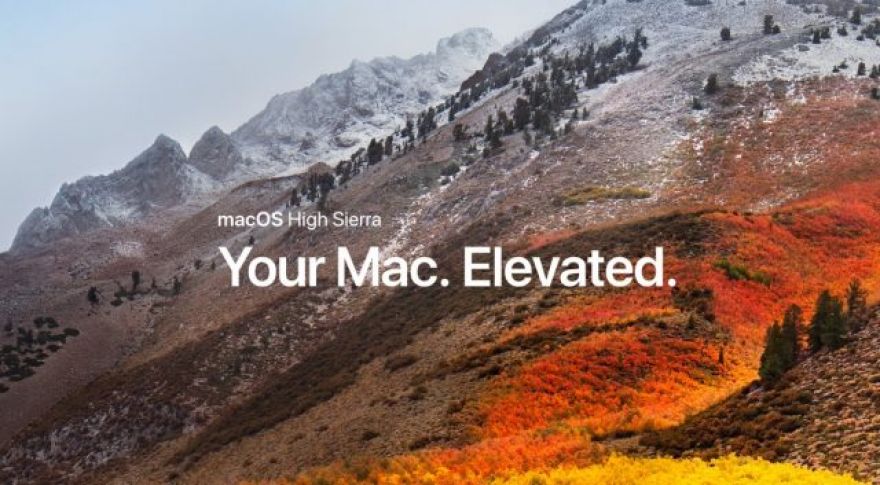
If you use macOS with multiple displays and haven’t updated to 10.13.4 yet, you may want to avoid it depending on your system configuration. While the latest update has been praised for adding formal support for external AMD graphics (Nvidia is not officially supported), it appears to have come with a hell of a caveat — users of DisplayLink technologies and compatible monitors have found their ability to use these solutions sharply curtailed, at best. Other screen-extension tools appear to be affected as well. DisplayLink is used to allow computers to run displays via USB technology. It’s deployed across a number of different products, and there are software solutions that leverage it in various ways, typically to extend or clone a Mac desktop.
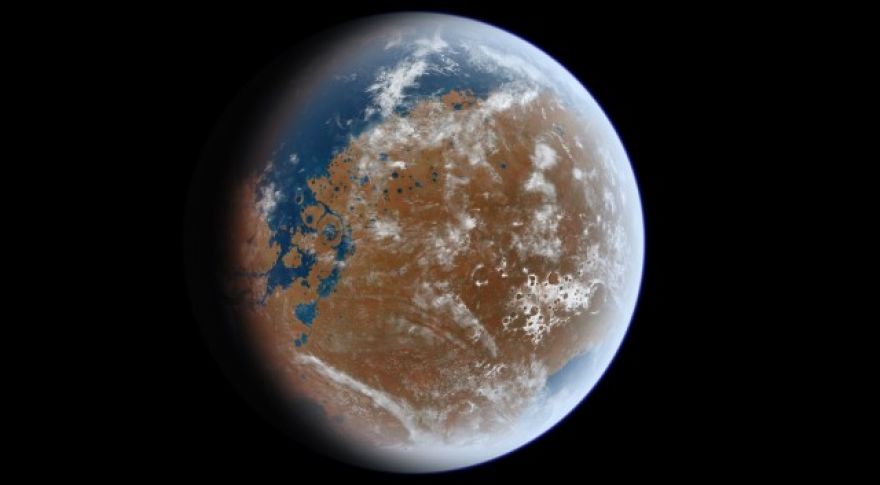
When it comes to finding life on other planets, so far the score stands at Earth 1, Universe 0. It’s certainly not been for lack of trying. Over the past few decades NASA has launched a wide range of exploratory vehicles, from rovers like Curiosity to probes like Cassini. We’ve learned a tremendous amount about the planets, moons, and other bodies of the solar system as a result. At the same time, telescopes like Kepler have demonstrated the stars of the Milky Way galaxy commonly have planets, including planets of approximate Earth size that sit in the habitable zone of their stars, and might be capable of retaining liquid water on their surfaces.

Last month, we covered news that Google and the Pentagon were collaborating on developing artificial intelligence for analyzing drone footage. There have been reports that Google employees were exceedingly unhappy over this, and a recent open letter sent to company CEO Sundar Pichai makes that point from the beginning, opening with: We believe that Google should not be in the business of war. Therefore we ask that Project Maven be cancelled, and that Google draft, publicize and enforce a clear policy stating that neither Google nor its contractors will ever build warfare technology. The notes that while Google has promised its work will not be used to operate drones or launch weapons, the technology in question could be used for other military purposes.