
You don’t have to follow up-to-the-minute reports on Silicon Valley to be aware that 2018, thus far, has been anything but smooth for the tech industry as a whole. Tesla and Uber are grappling with , Facebook is finally facing long-delayed comeuppance for its willingness to throw even the most basic user privacy under a bus in pursuit of revenue, the rise of so-called “” suggests video may not be trustworthy much longer. And if we take a jaunt back into 2017, we’ve got arguably the in history. Into this proud moment in history comes Mozilla, with its latest report on the overall .
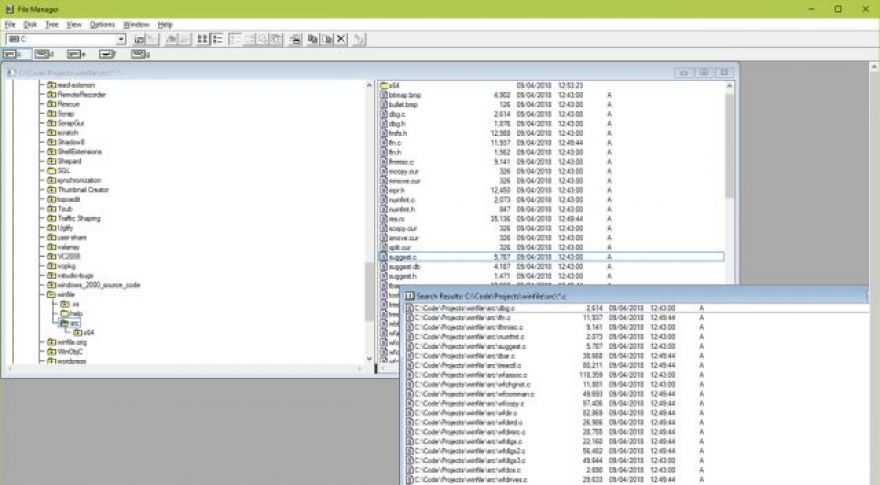
Windows has undergone some major cosmetic changes over the last decade, but Microsoft is committed to backward compatibility like no other software maker. In fact, the original Windows File Manager still by way of some newly . If you want to relive file management 90s style, now’s your chance. Consumers may be keen to buy flashy MacBooks and inexpensive Chromebooks, but Windows is still the de facto standard for business and governments all over the world. Many of them are tied to ancient and inefficient Windows software suites, so Microsoft is careful not to break backward compatibility. Programs from decades ago can still work, including Microsoft’s first file manager.
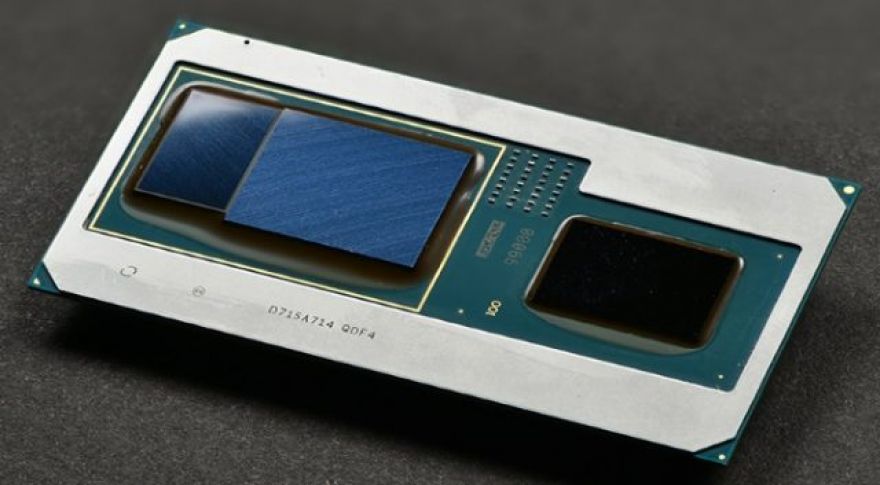
Ever since AMD and Intel announced they’d be releasing an Intel CPU married to an AMD GPU core, they’ve maintained the IP AMD contributed to the GPU in question was based on Vega, not Polaris. The chip is marketed as RX Vega and is baked into several Intel SKUs, including the recently-launched Hades Canyon NUC (we’ve got one on the test bench and will be discussing it in the not-too-distant future). All of the initial messaging around the part from AMD and Intel have labeled it a Vega-class GPU, as have a number of diagnostic applications. But as PCWorld , AIDA64 reports the Core i7-8809G as being based on a “Polaris 22.
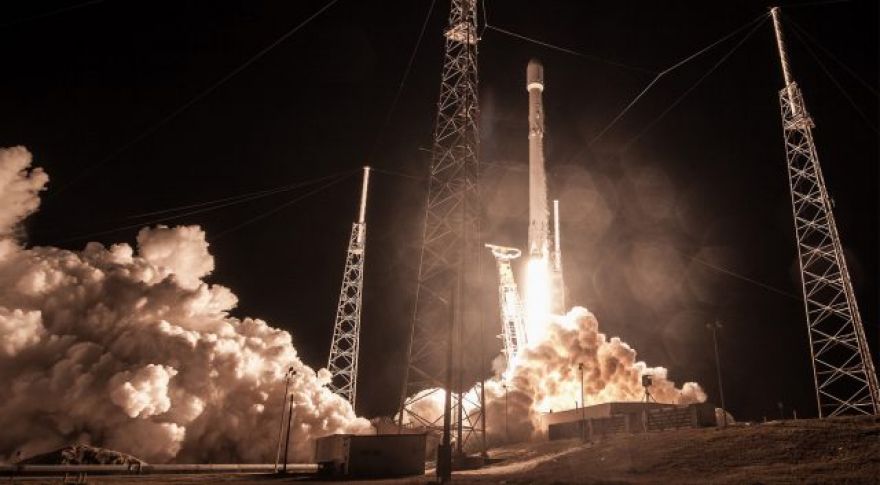
SpaceX had been behind several “wow, this is the future” moments in recent years, but it didn’t get there without a few failures. SpaceX has lost rockets in flight and on the launchpad, but there’s one failure for which . According to a new government report, it was not SpaceX’s fault that . The blame lies with aerospace firm and long-time government contractor Northrop Grumman. We don’t know a great deal about the Zuma satellite. All we can say for certain is that the government had some secret plans for the device, but it didn’t reach orbit. Following the Jan.
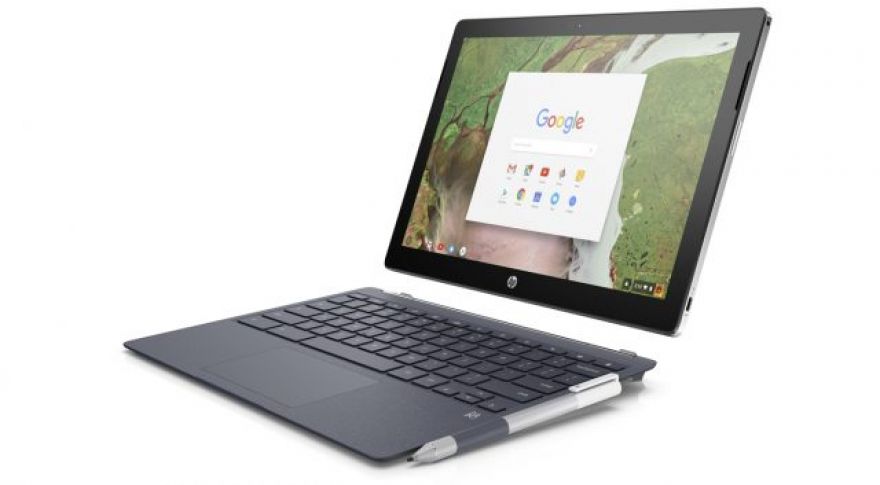
According to Google legend, the was initially supposed to be a Chrome OS device. However, full touch support in Chrome OS was still too far off in the future, so Google repurposed the hardware to run Android. Now, we’re finally reaching the era of touchscreen Chrome devices. HP has just announced the with the rather uninspiring monicker “Chromebook X2.” As a detachable, you can use the Chromebook X2 like a laptop, or pull it free of the keyboard portion and you’ve got a tablet. The keyboard is backlit, and the hinge is self-supporting. That makes it much easier to use on the go than many detachables, which use kickstands to remain upright.
Nvidia has announced that it will end support for 32-bit operating systems this month, including Windows 10. The company states: Game Ready Driver upgrades, including performance enhancements, new features, and bug fixes, will be available only on 64-bit operating systems. Critical security updates will be provided for 32-bit operating systems through January 2019… Software upgrades with new features, security updates, and bug fixes will be available only on Windows 64-bit operating systems. Existing features and services such as optimal game settings will continue to work on Windows 32-bit operating systems. is unlikely to impact many users.
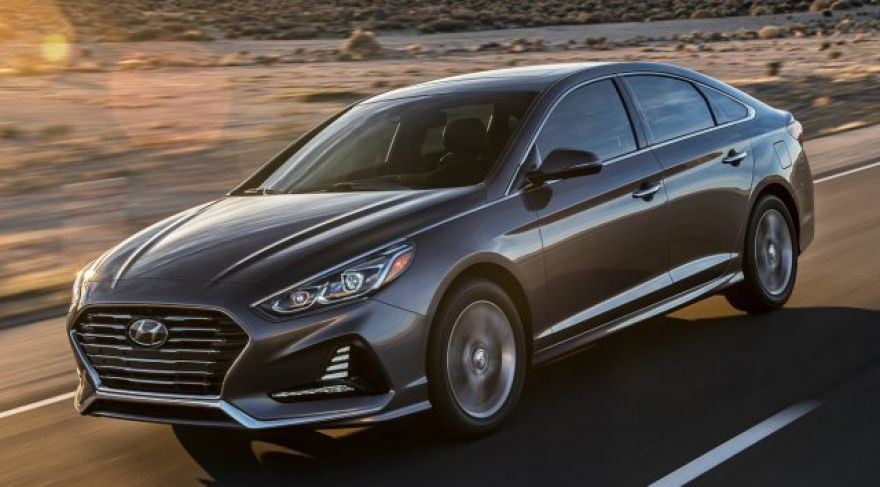
In a market that was down 2 percent last year, how did Hyundai’s US sales fall 14 percent? The company’s fluidic sculpture design and rock solid reliability made sales soar circa 2010. But it relied too much on sedans, which are falling out of favor. Hyundai’s SUV/crossover fleet was up 12 percent last, but Hyundai’s sales were 63 percent sedan, 37 percent SUV. That’s almost the exact opposite of the US market in 2017. Hyundai is not alone. The shift from sedans and hatchbacks (“cars” in industry parlance) to SUVs, crossovers, and pickups (“trucks”) appears to be a long-term trend, helped along by gasoline prices much lower than earlier in the decade, and making fuel seem comparably cheap.
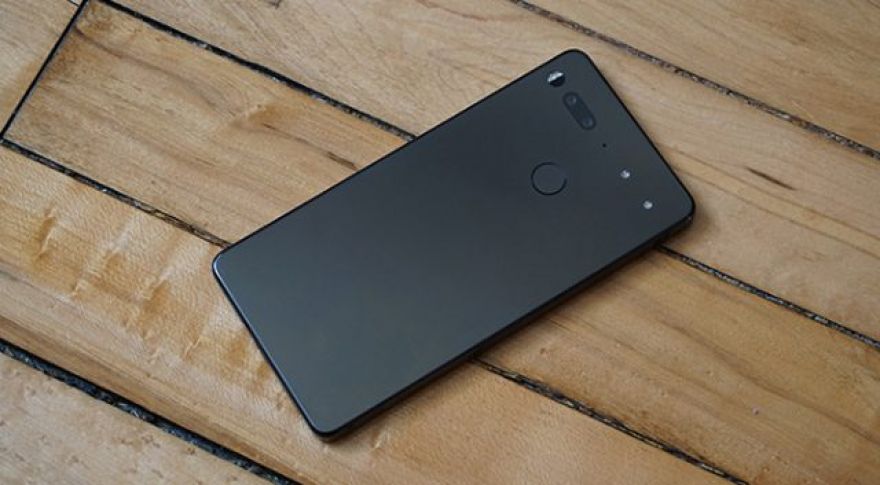
The Phone got a lot of hype last year for a few reasons. It was the first phone to hit the market with a screen notch, allowing for very narrow bezels. It was also , who founded Android and ran the division for several years after Google acquired it. The phone didn’t quite live up to everyone’s lofty expectations, though. One of the primary issues was the abysmal camera, and now Essential it screwed that up. It promises to do better next time, though. On paper, the Essential Phone was competitive with the top smartphones of 2017. It had a Snapdragon 835, 128GB of storage, and 4GB of RAM.
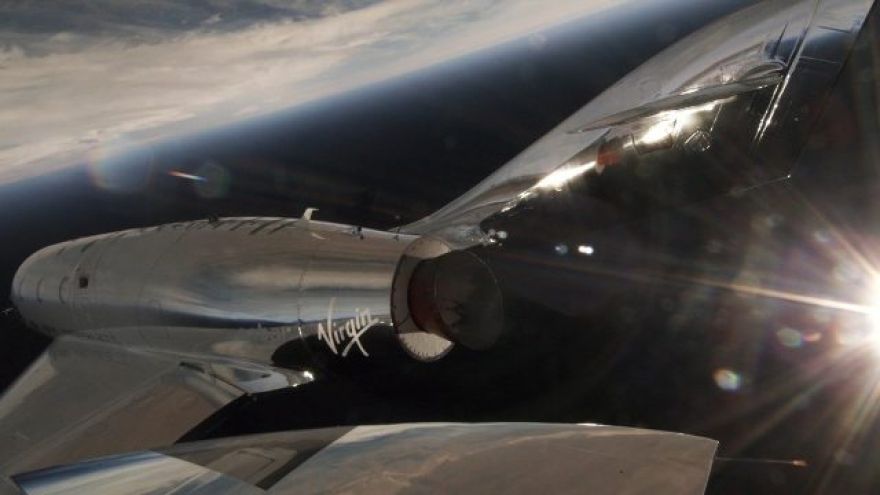
Virgin Galactic is today much closer to its goal to take passengers on quick jaunts into space. Its prototype vehicle known as SpaceShipTwo successfully for the first time in flight, reaching a maximum speed of Mach 1.87 (1,424 miles per hour) in just 30 seconds. The team didn’t want to push the VSS Unity too hard on its first rocket-powered flight, but it still performed impressively. The flight took place early on April 5, and it started like all previous SpaceShipTwo tests. The spacecraft was mounted to a carrier aircraft for the initial lift-off and ascent. At an altitude of 45,000 feet, SpaceShipTwo undocked from the mothership and began gliding.