
LAS VEGAS — Cellular-based safety messaging that warns cars before accidents happen is already good enough — and it will only get better. That’s the message from Ford, which this week announced at CES 2019 it will use the C-V2X, or cellular-vehicle-to-everything, protocol as the way for cars to signal other cars (V2C), as well as the infrastructure (V2I) and even pedestrians with next-gen smartphones (maybe call it V2Jaywalker). Other automakers are either taking a wait-and-see approach or supporting an earlier proposal for a standalone in-car comms radio via the dedicated short-range communications (DSRC) protocol. Both C-V2X and DSRC fall under the umbrella category of vehicle-to-everything communications devices.

At CES 2019 and its Architecture Day back in December, Intel made it clear that its overall goal with its 10nm designs is to push CPUs and platform designs beyond the levels we’ve seen with 14nm chips. Sunny Cove, the new CPU architecture at the heart of Ice Lake, is one component of that shift. The new CPU architecture can accelerate certain cryptographic operations by up to 75 percent, with support for Intel’s VNNI (Vector Neural Network Instructions). The implication of Intel’s overall focus is that the initial push for Ice Lake in consumer hardware will be mobile-first, echoing the approach the company took with Broadwell back in 2014.

Looking for a nice gaming laptop at a reasonable price? Snag this six-core 15.6-inch HP Pavilion with a GTX1060 GPU and a full HD display for just $799. Plus, you’ll find other superb discounts on portable SSDs, Instant Pots, 4K TVs, and more. Courtesy of our partners at … Featured Deals Intel Core i7-8750 6-Core 15.6-inch 1920×1080 IPS Laptop with 3GB GTX 1060, 16GB Optane Memory for $799 at Walmart (List price: $999). Intel Core i7-8750H 6-Core 15.6-inch 1920×1080 Laptop with 256GB M.2 SSD, GTX 1050Ti for $1199.99 at Dell (Coupon code: 50OFF699 – List price: $1384.99).

Apple has been forced to pull the iPhone 7 and 8 from sale in Germany following a court battle with Qualcomm last month. Apple was found to infringe on a Qualcomm patent related to smartphone power management. Once Qualcomm put up a €1.34 billion security bond, the ban against Apple went into effect and Apple has pulled down the offending devices. Apple has been ordered to recall its devices from third-party resellers in addition to ceasing to sell the iPhone 7 and 8 itself. The degree to which this will practically happen is unclear; we’d expect most third-party companies to continue to make what inventory they have available through other channels if nothing else.
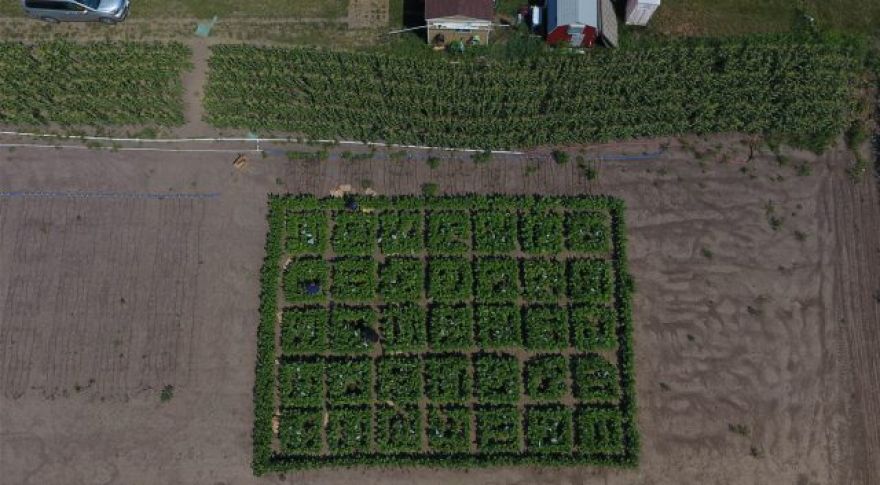
All that oxygen you enjoy breathing doesn’t just appear magically in the atmosphere. Earth is livable because plants around the globe pump out oxygen as a byproduct of photosynthesis, and some of them become tasty food crops in addition. However, photosynthesis isn’t perfect despite many eons of evolutionary refinement. Scientists from the University of Illinois have worked to correct for a flaw in photosynthesis, and that . At the heart of the new research is a process in plants called photorespiration, which is not so much part of photosynthesis as it is a consequence of it. Like many biological processes, photosynthesis doesn’t work correctly 100 percent of the time.

Late last year, Seagate announced that it would bring 16TB HDDs to market in 2019, assisted by its development of new technology to boost drive areal density. Now, Western Digital has declared that it’s also sampling its new 16TB drives, only they don’t use the HAMR technology Seagate has developed. Instead, WD is relying on a different approach, dubbed MAMR (Microwave Assisted Magnetic Recording). With HAMR (Head Assisted Magnetic Recording), the drive media is heated before writing. This heating makes it easier to write to the media, but also requires some material changes. The media has to be capable of heating and cooling very quickly and must withstand this cycle thousands of times.
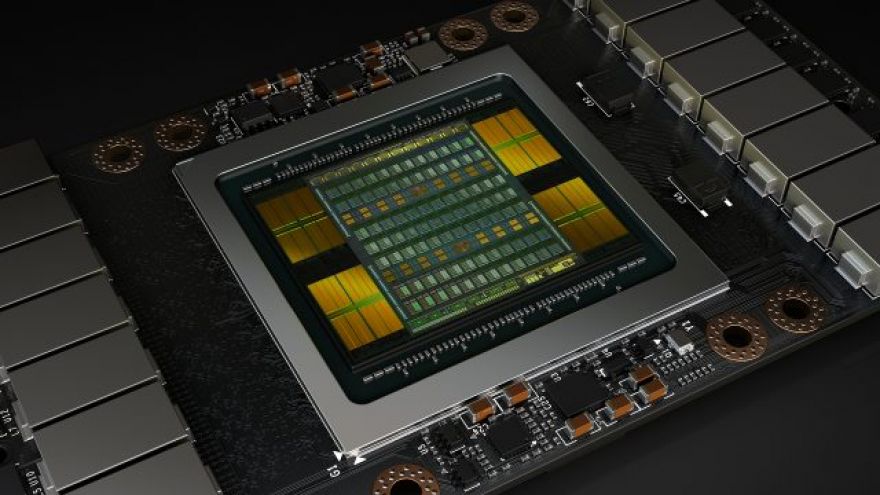
Ever since it became clear that Nvidia’s Turing would be built on 12nm rather than 7nm, there’ve been questions about when Nvidia would introduce a 7nm GPU. AMD was first to the new node with its professional Vega GPU and intends to launch new Navi hardware in 2019 on the node as well. Nvidia, in contrast, has been quiet about its plans for 7nm and a next-generation node. Now, there are that Nvidia will tap Samsung for 7nm and build a GPU on that company’s process node for 2020. This could be true. In fact, with just two foundries left (apart from Intel) with leading-edge manufacturing capabilities, we can guarantee Nvidia is using either TSMC or Samsung.
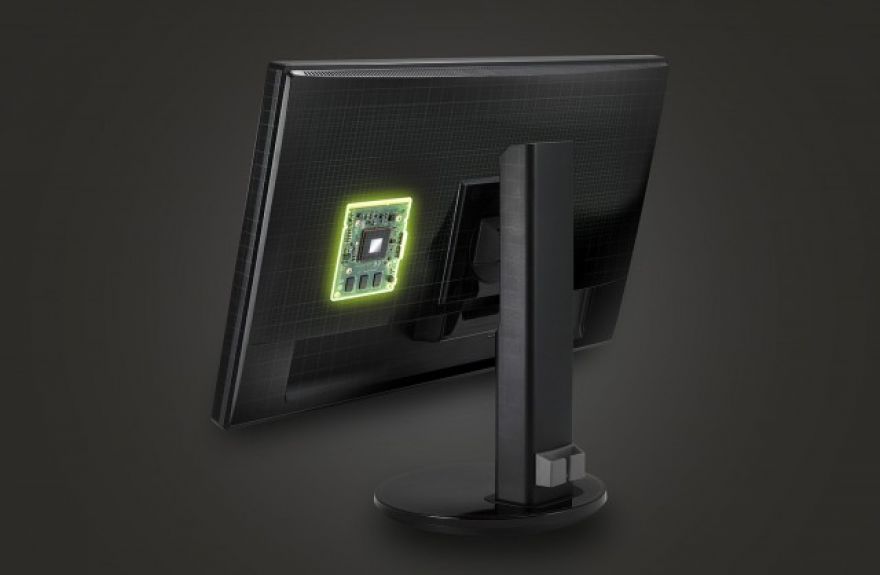
When Nvidia launched its G-Sync standard, it used customized controllers and its own specialized IP to bring variable refresh rate support to desktop monitors that otherwise lacked this capability. The entire point of AMD’s FreeSync standard and the Adaptive Sync standard supported by VESA was to obviate the need for this approach by creating an open standard that wouldn’t slap a huge price premium on the cost of displays. Nvidia, however, has steadfastly refused to play ball. It has kept G-Sync in the ecosystem as a halo brand, despite the fact that the capability it once used specialized hardware to provide can now be baked into display timing controllers without additional costs.
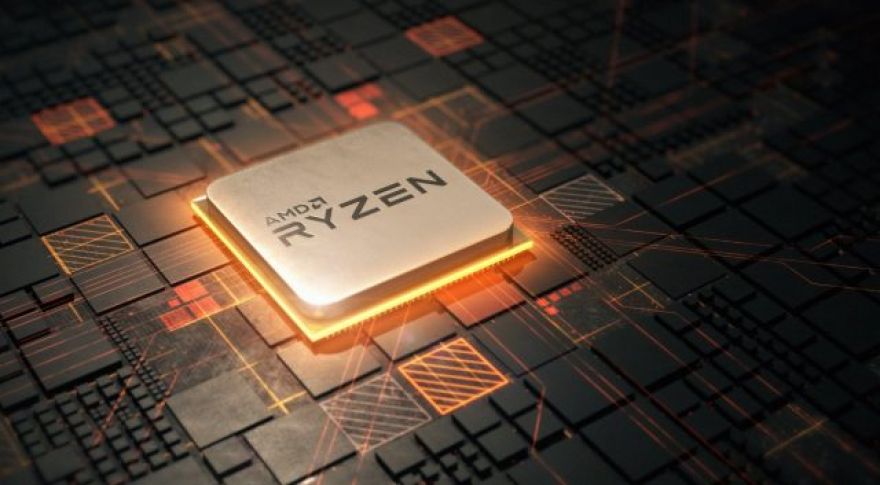
AMD is announcing its new Ryzen Mobile refresh at CES this week. First-generation Ryzen Mobile CPUs debuted just over a year ago, and while this update slipped a bit in comparison, it can be thought of as the last hurrah for AMD’s 12nm Ryzen refresh cycle before 7nm chips begin arriving later in the year. Over the past year, AMD’s overall push with Ryzen has seemed to focus primarily on desktop and server markets. We haven’t seen the same emphasis on pushing Ryzen into mobile form factors or spaces, but that may be changing with this new generation of products.