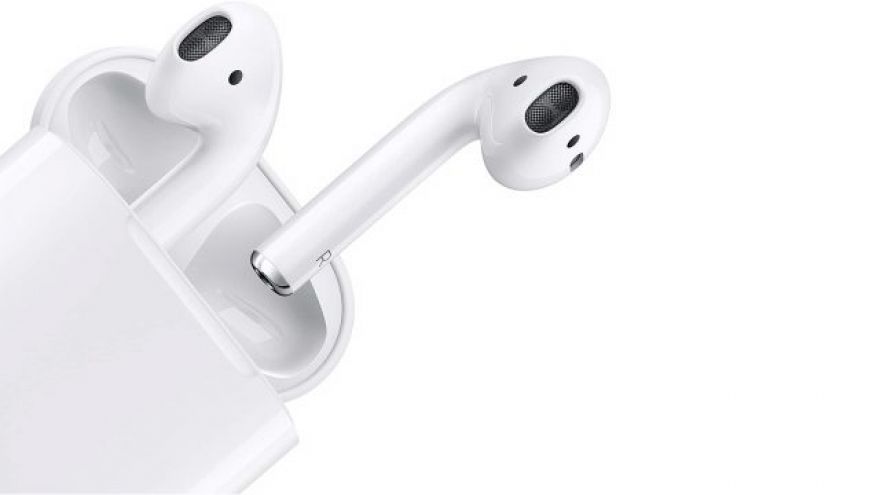
Today you can get a pair of Apple’s AirPods for just $99.00, which is the lowest price that we’ve seen on these earbuds to date. You can also get a Roborock S6 robot vacuum with $240 slashed off the retail price. for $99.00 from Amazon (Regularly $159.00) for $359.99 from Amazon (List price $599.99) 2560×1440 27-Inch Display + $150 Gift Card for $359.99 from Dell (List price $499.99) Noise-Cancelling Bluetooth Wireless Over-Ear Headphones for $199.00 from Amazon (List price $349.99) AMD Ryzen 7 3700X Gaming Desktop w/ Nvidia GeForce RTX 2080 Super GPU, 16GB DDR4 RAM, 1TB NVMe SSD for $1,649.99 from Dell (List price $2,039.99) Robot Vacuum for $699.00 from Amazon (List price $999.99)
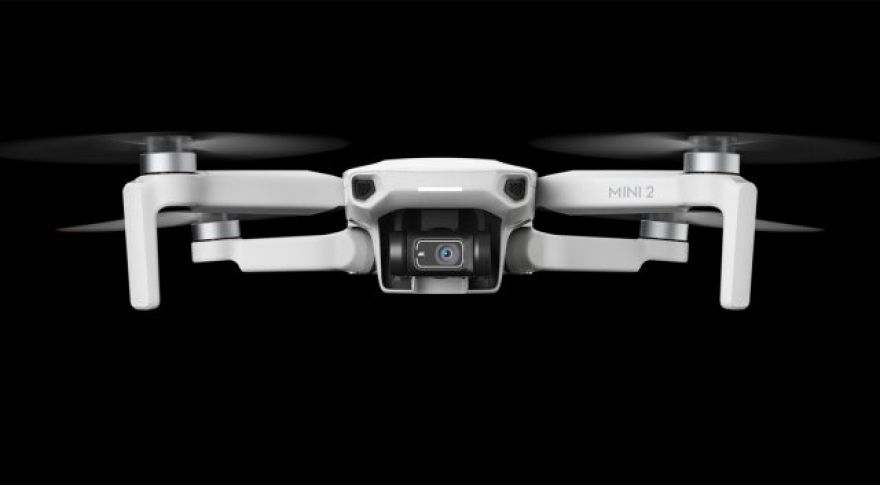
When the first foldable drones were introduced, such as the Parrot’s Anafi and DJI’s original Mavic Pro, they marked a major breakthrough in portability. Those who didn’t need all the pro features could work with a drone that fit in a daypack, instead of carrying around a massive hard case such as with the Phantom. While DJI has shipped several drones that are even small, one of the most intriguing has been the DJI Mini ($449). At just over half a pound (249 grams), it’s so light that it falls below the FAA registration requirement. Now, registering a drone isn’t exactly hard or expensive, but that’s still pretty cool.
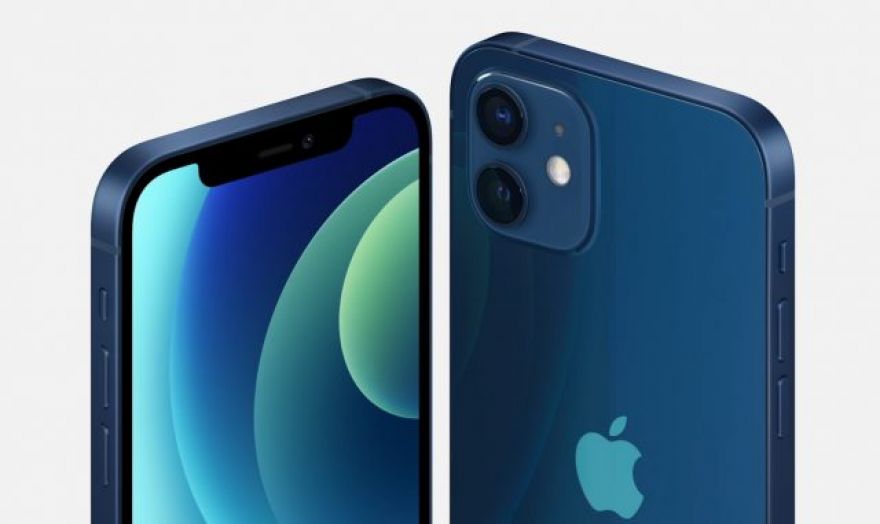
Apple is no fan of third-party repairs. This attitude is partly the result of a corporate culture that prioritizes total control of the iDevice ecosystem and partly economic. The more Apple services you pay for, the more revenue Apple makes. Service revenue has become a critical part of the company’s business and overall revenue from the segment has been growing at a brisk pace. According to a by Kevin Purdy of iFixit, Apple’s hostility to the right of repair has hit new heights with the iPhone 12 and iPhone 12 Pro. Purdy writes that repeated iFixit testing of the iPhone 12 has revealed that the camera assembly of one phone cannot be swapped into a different, identical device.

These days, it feels like we do everything via computer. Whether it’s keeping up with friends and family on FaceTime, calling into work meetings on Zoom, or placing grocery orders with InstaCart, pretty much everything has moved online as we stay safer at home. And as we become more dependent on telecommuting and online services, the online security of businesses and organizations will become increasingly important. This means the cybersecurity field will continue to be a booming industry, with lucrative jobs that are in high-demand. If you’ve found yourself contemplating a career change during the pandemic, cyber security is a wonderful option.
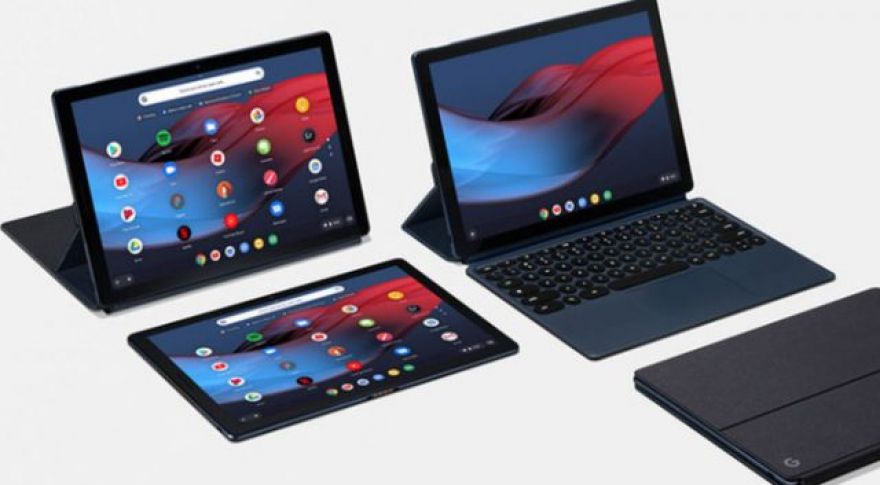
Google released the Pixel Slate with much fanfare in late 2018, bringing to fruition its efforts to optimize Chrome OS for the tablet form factor. The device sold boatloads and finally solidified Google’s position in the tablet market. Actually, no — the Pixel Slate sold so poorly that Google has washed its hands of it. Some people did buy it, though, and now many of them are reporting storage failures that make their tablets unusable. According to a new , Google’s product support forums are flooded with angry Pixel Slate owners who say their devices are running into frequent, crippling storage errors.

The asteroid 16 Psyche (named as such because it was the 16th to be discovered) is believed to be the now-exposed core of a differentiated protoplanet that was smashed apart some billions of years ago. Its composition is generally estimated to be 90 percent metallic and 10 percent silicate rock. It’s thought to be much denser than a typical stony object of equivalent size, and it contains approximately 1 percent of the entire mass of the asteroid belt. Assuming that the core is made of iron and nickel, the total value of the asteroid (if we ignore the impact on market prices) would be ~$10,000 quadrillion dollars.
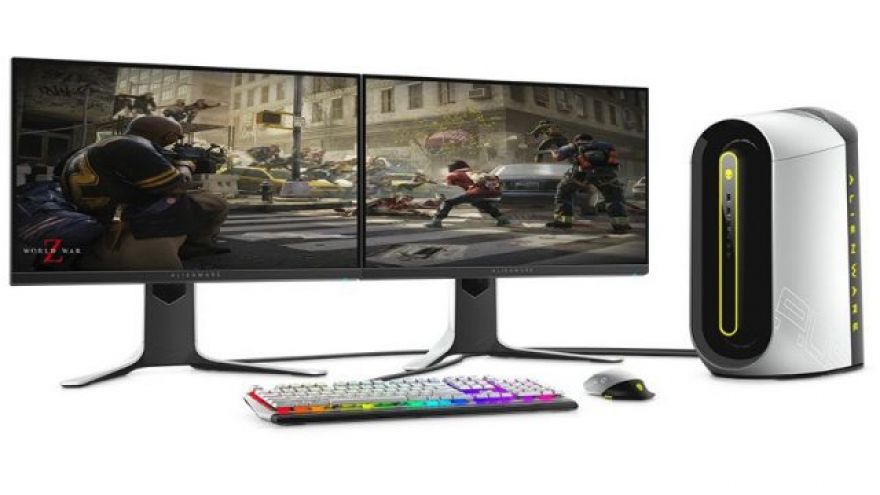
Step up your game with a high-end Dell Alienware desktop. Today you can save $390 on this edgy looking systems; it comes equipped with a top-tier Ryzen 7 3700X processor and an Nvidia RTX 2080 Super graphics card. AMD Ryzen 7 3700X Gaming Desktop w/ Nvidia GeForce RTX 2080 Super GPU, 16GB DDR4 RAM, 1TB NVMe SSD for $1,649.99 from Dell (List price $2,039.99) Robot Vacuum for $699.00 from Amazon (List price $999.99) SATA-III SSD $53.99 from Amazon (List price $109.99) RGB Tempered Glass Mid-Tower Case for $64.99 from Newegg with $15 mail-in-rebate and promo code 3WTBKNV35 (List price $114.99) for $259.00 from Amazon (List price $279.00) 8-Inch Smart Display + Blink Mini for $69.99 from Amazon (List price $164.98)
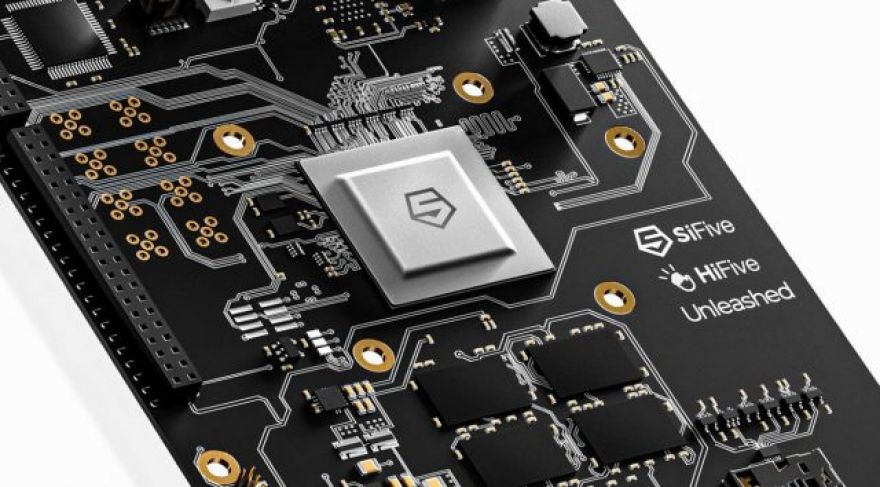
One architecture I’ve been keeping an eye on for the past few years is the revolutionary, open-source RISC-V ISA. A number of companies have announced low-level RISC-V CPUs, though these are often used as embedded controllers. Companies like Alibaba Group, Western Digital, and SiFive have all been working to design new RISC-V chips that can hit higher levels of performance. SiFive has announced its new Hive Unmatched platform, built around the SiFive FU740 SoC. This is a five-core, heterogeneous processor with four SiFive U74 cores and one SiFive S7 core. This low-level core is a bit like Nvidia’s old Companion Core in Tegra 4 — it’s an embedded core for running a real-time operating system (RTOS) or something similar.
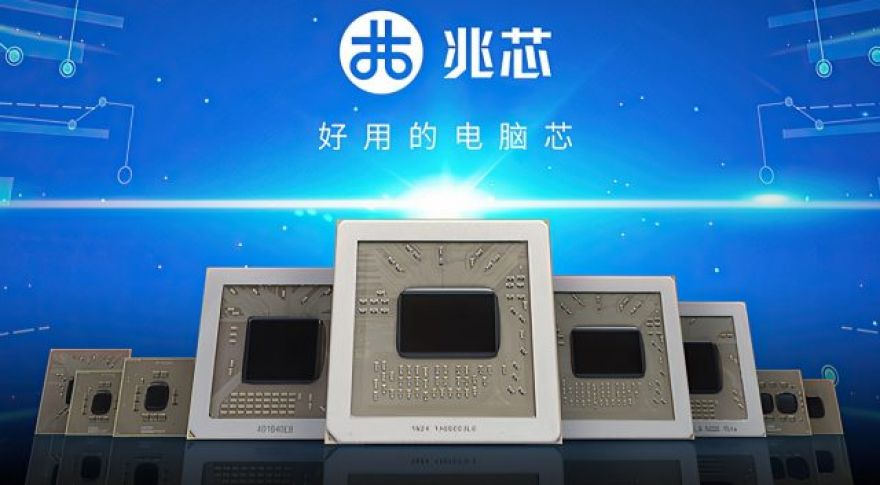
We’ve discussed Zhaoxin several times over the past few years and covered the company’s efforts to build a true x86 competitor. This is a difficult task for VIA, one of Zhaoxin’s shareholders and IP contributors, which hasn’t ever been competitive with AMD or Intel when it comes to building high-performance CPUs. The company originally eked out a market in the ultra-low-power segment (mini-ITX, for example, is originally a VIA standard). A few years ago, it formed an agreement with Shanghai Zhaoxin Semiconductor to allow that company to build its own x86 designs. Now, it’s expanding that agreement with some additional IP transfers.