
You’ve probably seen numerous photos and renderings of Europa, its icy surface covered in reddish streaks. However, those images are all captured with illumination from the sun. A new analysis from NASA’s Jet Propulsion Laboratory (JPL) suggests that there might be something interesting on the Jovian moon’s dark side. The intense radiation bombarding Europa , and that could help scientists learn more about the moon’s ice sheets and the ocean below. Europa is a little smaller than Earth’s moon, making it the smallest of Jupiter’s four Galilean moons, all of which are so-named in honor of their discoverer, the pioneering astronomer Galileo Galilei.
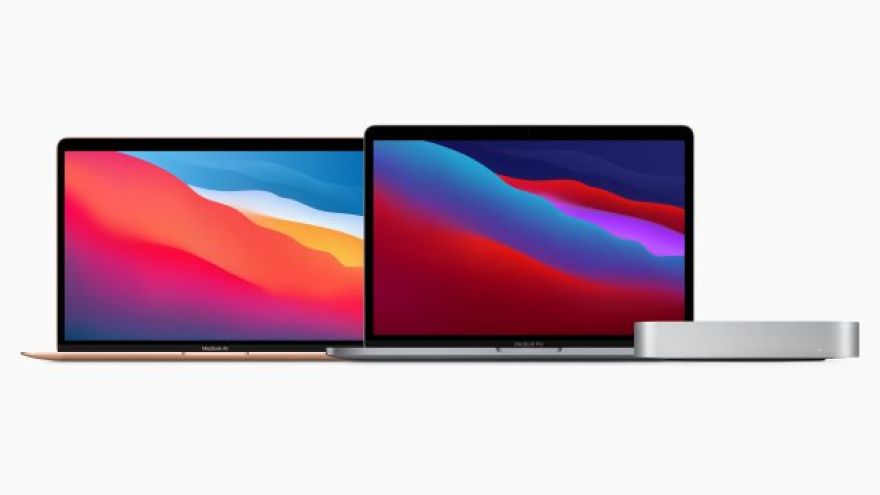
Yesterday, Apple announced its new M1 SoC. It’s an impressive piece of work — I’ll share some thoughts on it here — but I want to get one thing out of the way upfront. Apple made a lot of claims about the M1’s performance relative to x86 that I want to discuss, but the whopper that we’re going to talk about first is this, taken directly from Apple’s own : “And in MacBook Air, M1 is faster than the chips in 98 percent of PC laptops sold in the past year.” Apple footnotes the claim, so it’s only fair to reproduce the footnote:
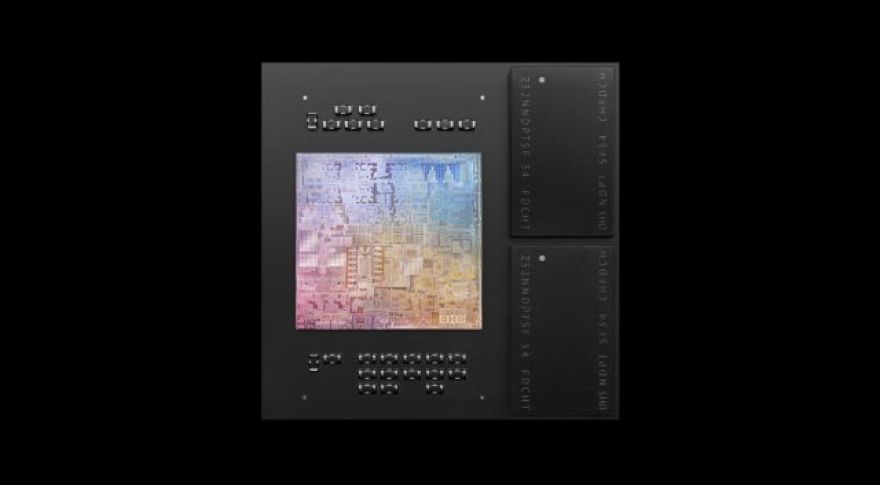
Apple’s M1 unveil this week wasn’t just a triumph for the company. It signaled a profound power shift within the personal computer industry — one with significant consequences for companies like Dell, HP, and Lenovo should the present trend continue unchallenged. x86 CPUs have dominated PCs across laptops, servers, and desktops for at least the past 25 years. The business model is straightforward: Companies such as AMD, Micron, Nvidia, and Intel design (and sometimes build) components, which are then purchased by other businesses and used as building blocks to assemble complete PCs. With few exceptions, the companies that design the underlying architectures are different from those that build the components, which are often (but not always) different from the company that ships the final system to the consumer.
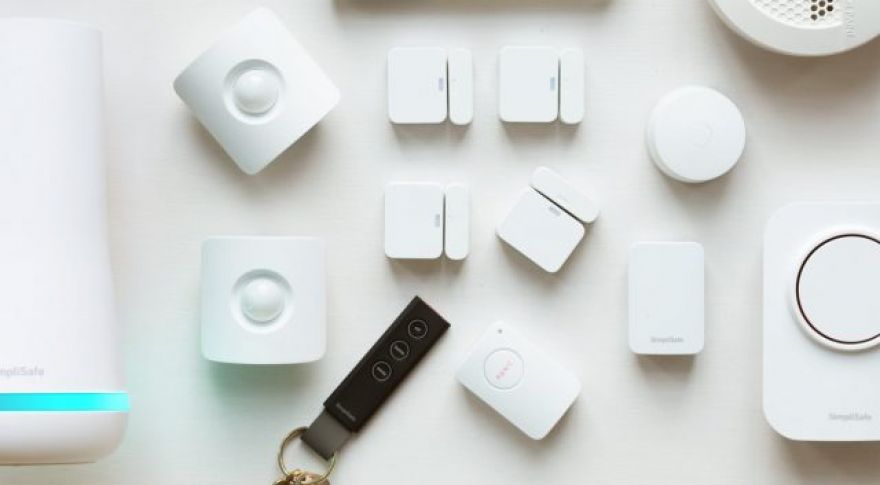
Until a few years ago, purchasing a monitored home security system meant an expensive professional installation and a hefty monthly fee. Now, there are a lot more options. These include self-installed systems that also offer full-time professional monitoring, as well as some that skip the monthly fee but leave you to do your own monitoring. And continuing advances in Internet-connected devices mean that rolling your own system is getting easier. We’ve rounded up some of the top alternatives for you. SimpliSafe SimpliSafe is a perennial favorite for a flexible, midrange home security solution. The components are reasonably priced, and monitoring services start at $15/month.

2020 has moved most of our lives online — from working from home to distance learning to shopping for the essentials. And since we’re all staying safe at home and depending on the internet more than ever, internet safety has never been more important. The good news is, it’s easier than ever to stay safe thanks to innovative subscriptions like . This duo of two-year subscriptions would typically set you back $346, they’re available now for just , a whopping 71 percent off. One thing you definitely need to up your internet security? A VPN, and NordVPN is a critically acclaimed option. Zero logging ensures all of your activity is completely private, and you’ll have the ability to browse without any geographic restrictions.
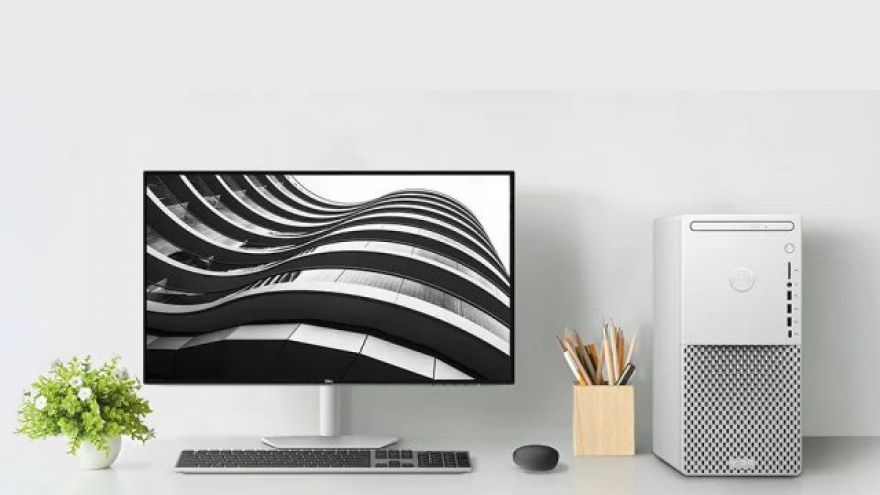
Today you can get an affordable gaming desktop from Dell that comes equipped with an Intel Core i5 processor and an AMD Radeon RX 5300 GPU for just $649. Today also marked the release of Microsoft’s new Xbox Series X and Xbox Series S game consoles, and you can now order one of these systems directly from Microsoft. Intel Core i5-10400 Gaming Desktop w/ AMD Radeon RX 5300 GPU, 8GB DDR4 RAM, 256GB NVMe SSD and 1TB HDD for $649.99 from Dell with promo code DTXPSAFF116 (List price $1,079.99) and for $499.99 and $299.99 respectively from Microsoft for $194.00 from Amazon (List price $249.00) USB 3.0 External HDD for $149.99 from Amazon (List price $194.45)

There have been a number of COVID-19 vaccines in development in the United States and around the world, and one of them has shown some very positive preliminary results in its Phase 3 trial. One particular vaccine developed by Pfizer and German firm BioNTech appears to be more than 90 percent effective in preventing symptomatic COVID-19 cases. The first thing to note is that we do not yet have detailed data from the clinical study, and the study itself has not been subject to peer review. It is extremely important that the scientists working on vaccines go over every nook and cranny of the information, all the more so because of the urgency of the project and the uncertainty around vaccines provoked by conspiracy theorists.
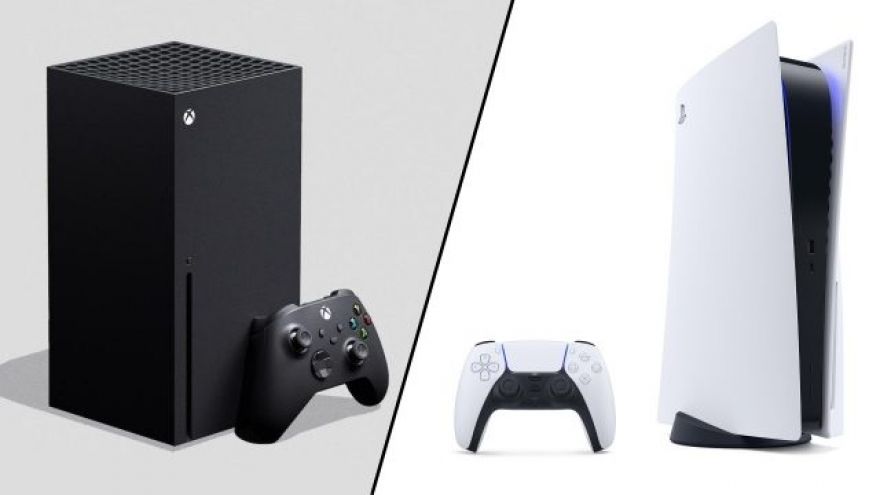
As reviewers dig into the PlayStation 5 and Xbox Series S/X ahead of their respective launches, we’re seeing some console teardowns and software evaluations that touch on deeper aspects of both systems. There’s been a new discovery for each platform. First, platform disassemblers have discovered that the Xbox Series X uses a standard (if uncommon) M.2 form factor for its SSD. The XSX has an M.2 2230 SSD. In the M.2 standard, the number gives the proportions of the standard — 2230 means the drive is 22mm wide and 30mm long. You can buy consumer drives in this size, but we more commonly see it used for Wi-Fi cards and modems.
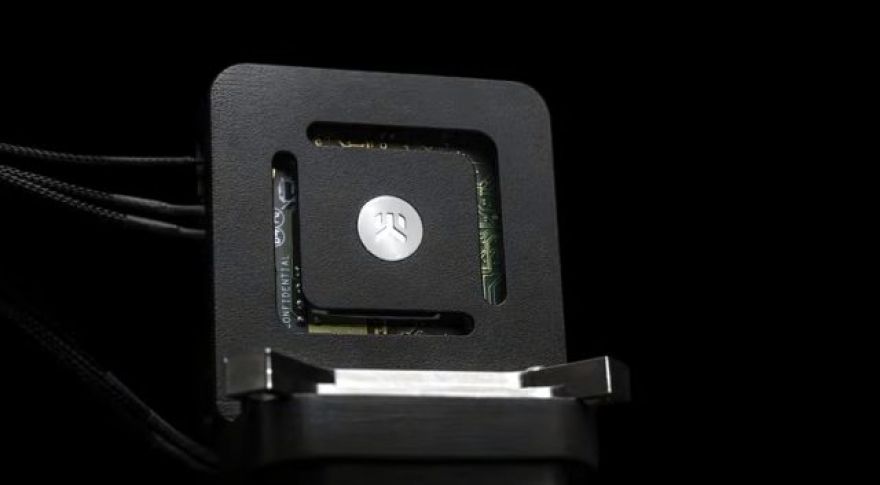
Intel and EKWB have announced a new Peltier cooler based on Intel’s Cryo Cooling technology, which the company describes as “a unique combination of hardware, software, and firmware designed to help unleash elite performance for gamers and overclockers.” In this case, a Peltier/TEC cooler is combined with an EKWB waterblock to create what is known as a water chiller — a water cooler with a below-ambient temperature. The EK-QuantumX Delta combines the two technologies to achieve its low temperatures. I actually reviewed a Peltier for our sister site PCMag some years back — the . It’s interesting to see this type of design receiving notice, especially with a watercooler attached to it.