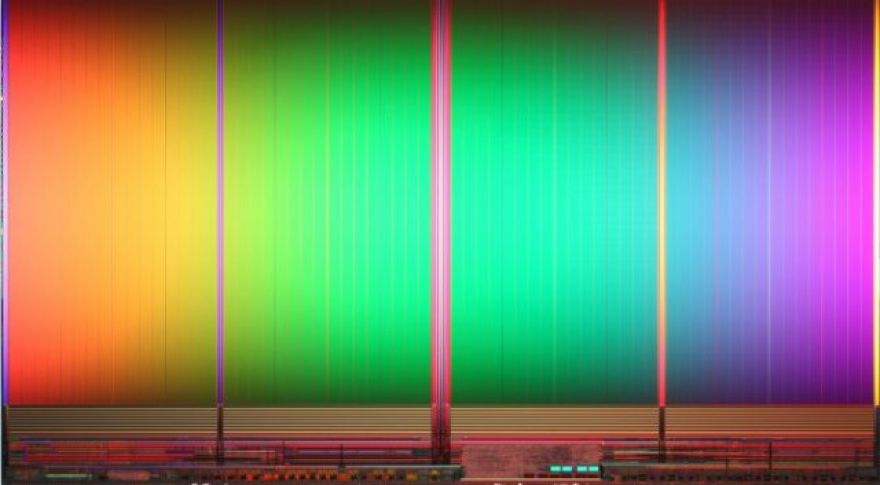
CPUs have a number of caching levels. We’ve discussed cache structures generally, in our L1 & L2 explainer, but we haven’t spent as much time discussing how an L3 works or how it’s different compared to an L1 or L2 cache. At the simplest level, an L3 cache is just a larger, slower version of the L2 cache. Back when most chips were single-core processors, this was generally true. The first L3 caches were actually built on the motherboard itself, connected to the CPU via the back-side bus (as distinct from the front-side bus). When AMD launched its K6-III processor family, many existing K6/K-2 motherboards could accept a K6-III as well.
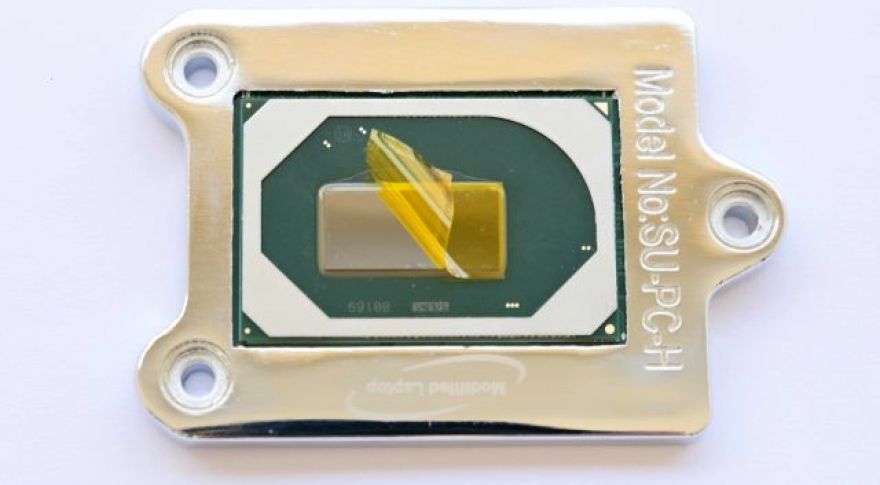
I’ve always had a soft spot for running mobile chips in desktop boards. If you share the interest, there’s a rare opportunity to pick up mobile Intel CPUs with an integrated LGA1151 interposer. In theory, it might be possible to swap the socket on an LGA1151 motherboard for one of these CPUs, provided you match the CPU to an appropriate chipset. The odds of plugging a mobile chip into a desktop board and having it automatically work, however, are not necessarily great. Why Stick a Laptop Chip in a Desktop? There are a few reasons why a desktop user might prefer a laptop CPU.

Today you can buy one of Dell’s Vostro 15 5502 laptops with a powerful Intel Core i7 processor with nearly $800 knocked off the retail price. There’s also a strong discount on a Dell Alienware gaming monitor that can be picked up for just $329.99. Intel Core i7-1165G7 1080p 15.6-Inch Laptop w/ Nvidia GeForce MX330 GPU, 8GB DDR4 RAM and 512GB NVMe SSD for $879.00 from Dell (List price $1,641.43) 240Hz 1080p 24.5-Inch Gaming Monitor for $329.99 from Dell (List price $509.99) for $109.99 from Amazon (List price $159.00) Color Printer w/ Amazon Dash Replacement for $369.43 from Amazon (List price $599.00) 50-Inch 4K Fire TV for $319.99 from Amazon (List price $379.99) Robot Vacuum for $319.79 from Amazon w/ clickable coupon and promo code ROBOS4MAX (List price $499.99)
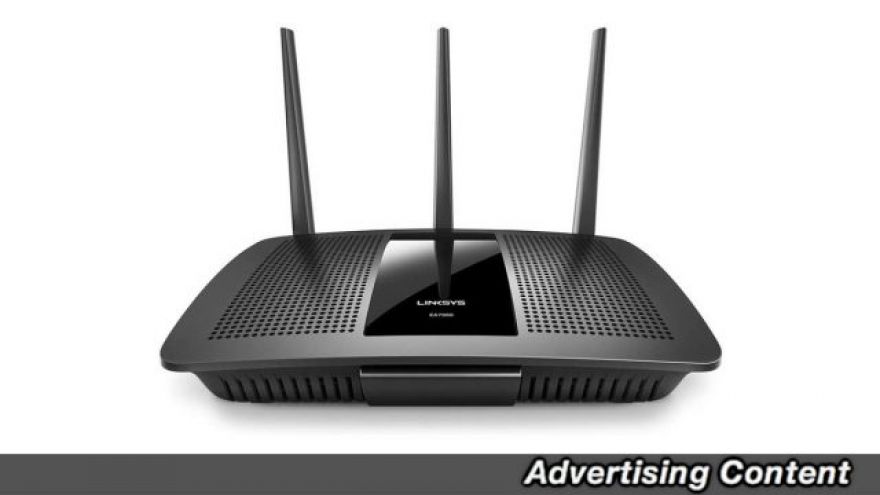
Sick of dealing with spotty Wi-Fi? As the continues, we’re all continuing to stay safer at home. Unfortunately, that’s putting quite a strain on our Wi-Fi. With mom and dad often working from home, kids doing online school, and everyone in the family spending more time online than ever, it might be time to think about upgrading your router. Say goodbye to negotiating for good Wi-Fi time with the. This certified refurbished router works with Amazon and can help keep everyone connected, preventing those dreaded dropped Zoom calls or spotty internet during an online test. Right now this refurbished device is available for just $69.99, 30 percent off the usual price of $99.
Apple finally proved the rumor mill right last year when it launched its custom M1 processor in the new MacBooks and Mac Mini. Early benchmarks showed the Apple M1 clobbering the competition in most ways that matter, but now Intel has (because of course it has) that compares the M1 to Intel’s latest Core laptop processor. The Apple M1 leverages all the experience Apple has had making smartphone and tablet ARM chips, but the performance has been cranked way, way up. There are eight CPU cores in the M1, four high-performance Firestorm and four energy-efficient Icestorm cores. These designs are all completely custom — no rebranded ARM Cortex reference designs a la Qualcomm.

Re-Logic games released Terraria in 2011 on PC, and it has since come to almost every device under the sun — it was even available on the now-defunct Windows Phone platform. One place it won’t show up as of now, however, is Stadia. Re-Logic co-founder Andrew Spinks says Google has , locking him out of thousands of dollars in content. His response is to cancel Terraria for . It’s unclear exactly how integral Spinks’ account is to Terraria’s development, but it’s connected to the company’s official YouTube account. Spinks says his account was banned about three weeks ago for unspecified violations of Google’s terms.

Nvidia’s Ampere launch last fall combined a very good GPU with a very bad availability situation. Five months later, it’s still a very good GPU, with a reportedly worsening availability situation. The culprit, in this case, is Chinese New Year, when a number of factories close to celebrate the holiday. This information comes from Alternate.NL, a retailer serving Germany, the Netherlands, and Belgium. : Here is an overview of our expectations: RTX 3090: Very Small Deliveries (Few Open Customer Orders) RTX 3080: very little supply (Very many open customer orders) RTX 3070: Small Deliveries (Few Open Sales Orders)
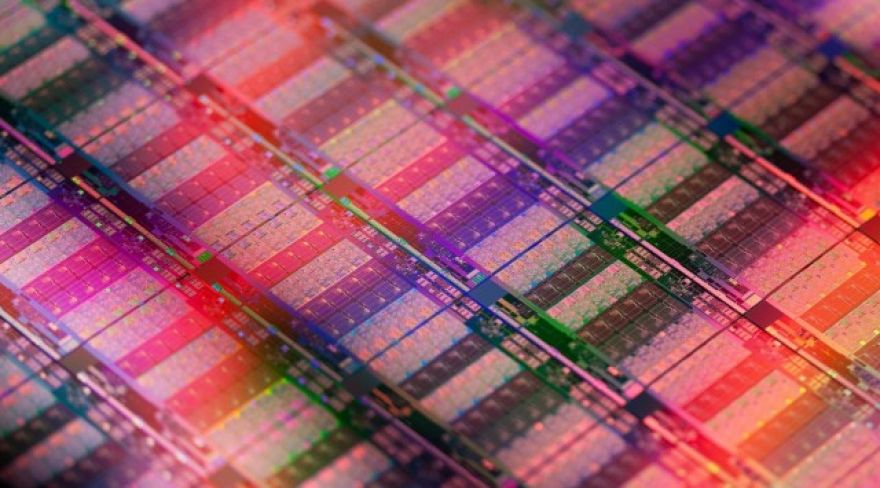
Intel’s is currently ramping volume on its Ice Lake-SP CPU, but die shots of its follow-up generation, Sapphire Rapids, have already leaked. To quickly recap: Up until now, Intel’s desktop and server processors have both been based on 14nm CPUs. Ice Lake-SP is Intel’s first 10nm server product and it uses the Sunny Cove CPU core. Sapphire Rapids is the follow-up to Ice Lake-SP, and it’s not expected until 2022-2023. Following Intel’s nomenclature, it would be manufactured on the 10nm++ process, and it’s expected to use the same Willow Cove CPU architecture that powers Intel’s Tiger Lake mobile chips.
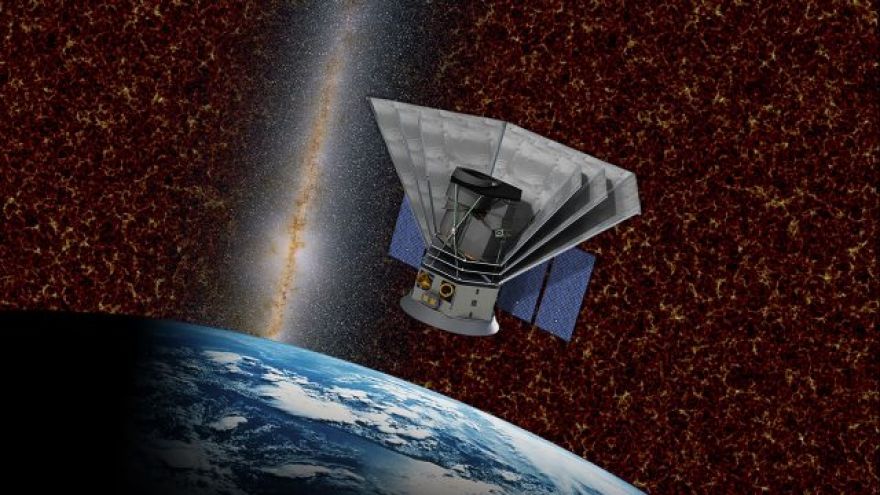
SpaceX already has a number of lucrative contracts with NASA thanks to its reusable Falcon 9 rocket, not least of which is the recently realized Commercial Crew Program. NASA isn’t just using SpaceX for crewed flights, though. The agency has just awarded SpaceX another cargo contract, this one to . This instrument will scan the entire sky over two years, but it won’t start the work until 2024 at the earliest. SPHEREx is part of NASA’s Medium-Class Explorers (MIDEX) program along with the Transiting Exoplanet Survey Satellite (TESS) and almost a dozen other missions stretching back to the early 90s.