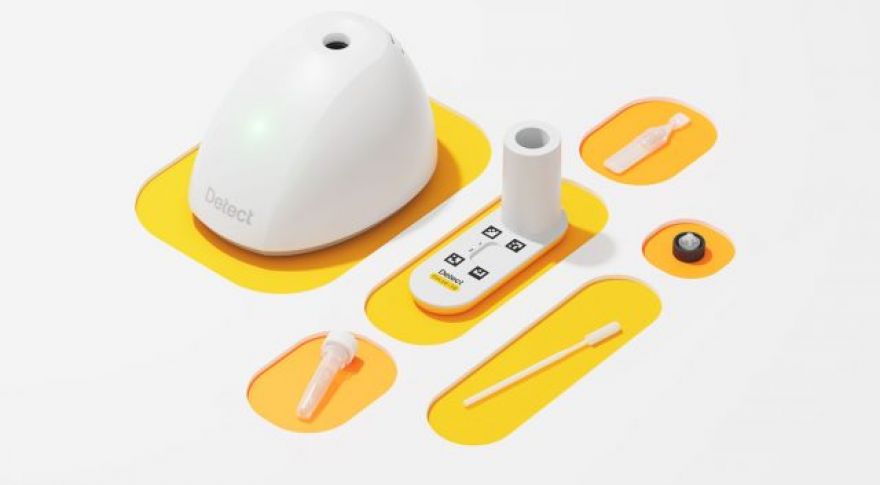
The world is currently reeling from the rapid expansion of yet another COVID variant, but the timing couldn’t be better for a startup called Detect. The company, helmed by former Google and Facebook executive Hugo Barra, offers a system for , but unlike other home options, Detect uses the more advanced PCR method of detection. Demand has been so high, Detect has had to limit people to one test per household. The kits aren’t cheap, but they’re cheaper and faster than the tests people are standing in line to get. COVID testing comes in two basic forms. There’s the antigen (or molecular) test, which is fast and inexpensive, and then there are Nucleic Acid Amplification Tests, or NAAT.
(Photo: Ubisoft)During these unprecedented times, Ubisoft has found itself joining the ranks of many other shocking firsts. The video game studio is losing employees much faster than it can hire them, and for uglier reasons than it’d probably like to admit. In what workers have dubbed “the great exodus” and even “the cut artery,” developers are following one another in droves out of Ubisoft’s metaphorical doors, Axios . Insufficient pay, frustration with the company’s creative direction, and disappointment with the way Ubisoft has historically addressed workplace harassment claims have created a perfect storm of dissatisfaction, prompting employee after employee to call it quits.
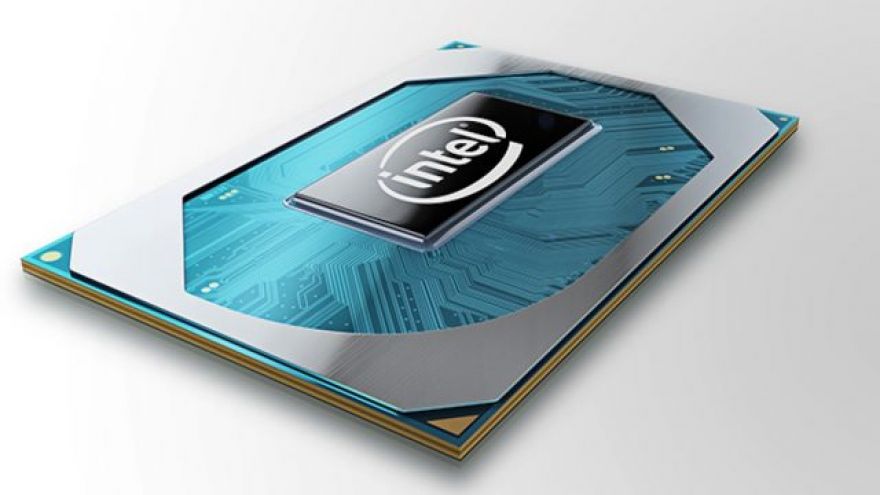
Intel CEO Pat Gelsinger spoke publicly about the ongoing chip shortages that are ravaging the consumer electronics industry recently, and he didn’t exactly have bright and cheery words of optimism about what the future holds. Gelsinger, who was in Malaysia to announce a $7.1B investment in a new manufacturing center there, said he predicts the shortage will last at least until 2023, and he described the current demand for chips as “exploding.” As an overview about how we got into this mess, that Gelsinger explained that the chip-making industry had about a five percent annual growth rate before the pandemic hit in 2020.

It used to be big news every time landed a Falcon 9 booster because, of course, no one had ever done such a science-fictional thing with rockets before. Now, it’s becoming so commonplace that it’s easy to forget how many rockets SpaceX is launching. In the company’s final launch of 2021, the Falcon 9 successfully pushed its Dragon capsule into orbit and landed on a drone ship. That would be business as usual for SpaceX, except for one minor detail: this mission marked the 100th landing of a Falcon 9 booster, capping a year of incredible successes for the company.
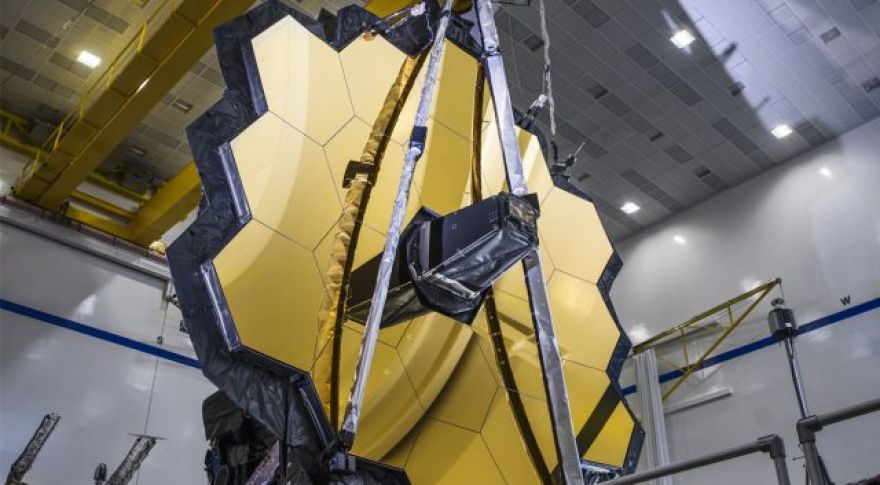
Stop me if you’ve heard this one, but the launch has been delayed. This time it’s not a matter of engineering, assembly, or transport — it’s the weather. NASA had planned to launch the fabulously expensive spacecraft on December 24th, but now that has been . Of course, this is far from the first launch timeline for Webb. The telescope, which has been in some stage of planning or construction for nigh on 20 years, has encountered more delays than we can even count. As recently as earlier this year, NASA was hoping for an October launch, and then it slipped to November, and then to December 18th, 22nd, and 24th.

Microsoft has been a bit schizophrenic for the past few years when it comes to the Windows Control Panel and the new Settings app. While it has moved a lot of stuff into Settings, the Control Panel still exists as well. This has created a lot of confusion amongst Windows users trying to figure out where to go to make certain changes, and the situation isn’t helped by the fact that clicking a box in some Settings windows will open the Control Panel, and vice versa. In a new blog post about a new Windows Insider build, Microsoft states that it is engaged in an “ongoing effort to bring over settings from Control Panel into the Settings app,” and details some of the new changes that have been transferred or tweaked.

It’s that time of year where we find out who has been naughty, and who has been nice. According to Yahoo Finance readers, there is one company that is unquestionably at the top of the naughty list: the company formerly known as Facebook. This development might come as a surprise (It shouldn’t – Ed) to the social media company, which changed its name this year to Meta, seemingly with the hopes of shedding the reputation it’s acquired for engaging in shady behavior to boost its profits at the expense of peoples’ mental health. The poll taken by is an annual tradition, where it selects the best company of the year based on market performance and innovation, and also polls its readers on who they think is the worst.
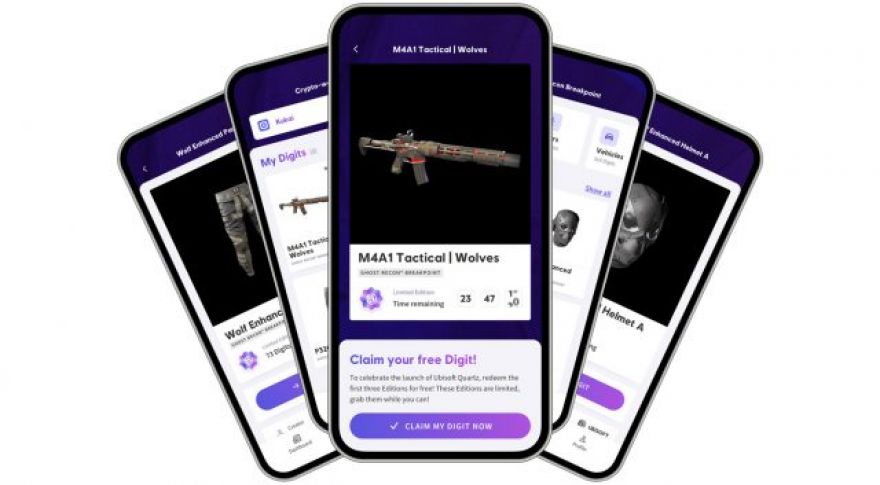
It has been 15 years since The Elder Scrolls 4: Oblivion got horse armor, and games have never been the same. Almost every release from major publishers like EA and Ubisoft have microtransactions, which can let them print money for years after a game is launched. Now, Ubisoft is taking the next logical (and horrifying) step to . The company started handing out batches of unique NFT gear for Ghost Recon Breakpoint recently, but players aren’t taking to it as Ubisoft probably hoped. that almost no one is buying these supposedly valuable digital items. That should give you a little hope for the future of gaming, but it might have more to do with how much people hate Ghost Recon Breakpoint.

Apollo 17 astronaut Gene Cernan on the Moon. (Photo: European Space Agency)The European Space Agency (ESA) is preparing to open a very special time capsule: a 50-year-old Moon soil sample. The sample has been largely untouched since the Apollo 17 mission, during which astronaut Gene Cernan collected soil from a landslip deposit that fell into the Taurus-Littrow Valley. Cernan hammered a 70-centimeter cylindrical tube into the ground to extract a core soil sample, the bottom half of which was sealed in a vacuum-tight chamber. Back on Earth, the sample was placed inside an extra vacuum chamber for safekeeping in the hope that in the future, more advanced technology would make better use of the soil sample.