(Photo: BMW)CES, one of the largest and most anticipated global technology conferences, rang in 2022 with a number of vehicle-related advancements. Among them was BMW’s color-changing car, whose external paint can be customized on a whim. BMW debuted the technology’s automobile application on an iX, the automaker’s brand-new electric SUV. The vehicle’s “paint,” called E Ink, is actually a surface coating that contains millions of microcapsules, each with a diameter equivalent to a single human hair. The microcapsules contain negatively-charged white pigments and positively-charged black pigments that can collect at the coating’s surface depending on the chosen electrical field.
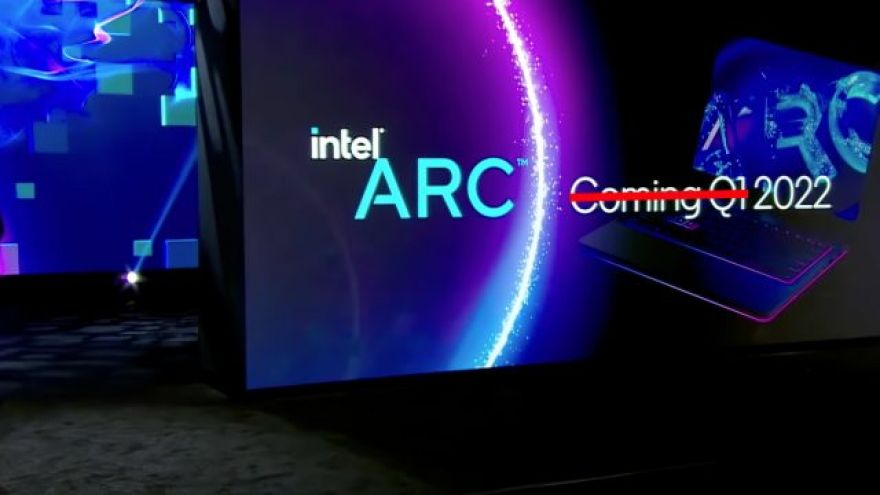
In a move that’s only mildly upsetting given the fact that GPU aficionados have grown accustomed to disappointment, Intel is seemingly pushing the launch of its all-new Arc graphics technology back a smidge. Just a few weeks ago Intel was boasting of a “Q1 2022” launch for its eagerly anticipated graphics technology in marketing materials and via language on its website, but apparently that’s no longer the case. The company has removed the phrase “Q1” from its website, leaving just “2022” as the launch window. We’re not sure what changed, but we do know it is a recent development.
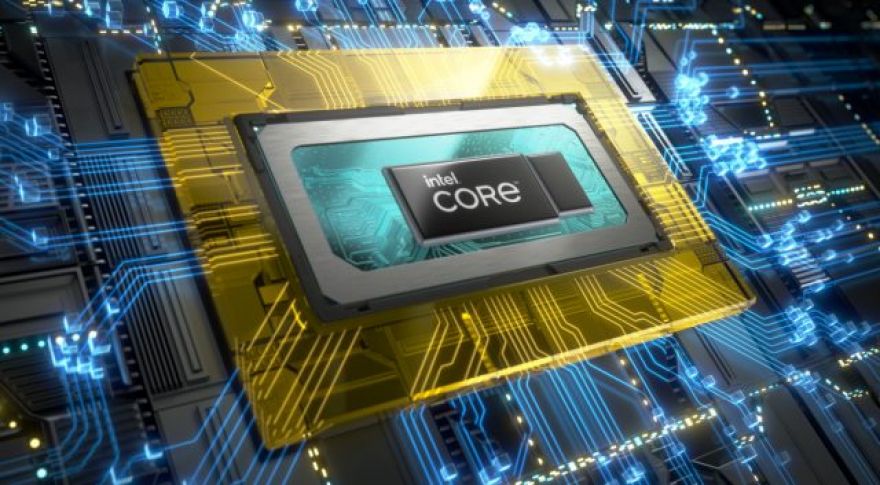
If you’ve been interested in Intel’s new Alder Lake platform but have been waiting for the company to launch its mainstream parts, we have good news. The chip giant took the lid off its mainstream Alder Lake family at CES this year, from the Core i9-12900 all the way down to some basic Celeron options. Higher-end chips get a lot of attention but its lower-end and mainstream processors are the ones that actually ship in significant volumes. Because Alder Lake is a brand-new architecture for Intel, with a mixture of high-efficiency and high-performance cores, there are some comparative differences between how 11th Gen and 12th Gen CPUs stack up against each other.
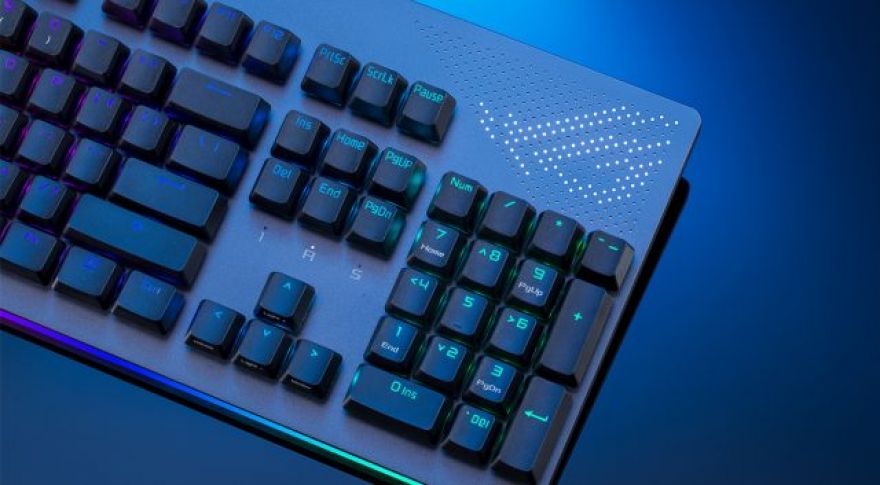
Mechanical keyboards used to be a niche item, but they’ve gone mainstream in recent years. While some people (myself included) are still fiddling with boutique custom boards, it’s easy for your average gamer or writer to pick up a passable for not much money. And then there are the high-end “gamer” keyboards like the new announced at CES. It is thus named thanks to the “AniMe Matrix LED display” with hundreds of dedicated LEDs that can display system stats, images, and more. This is a full-sized keyboard, which I personally feel is far too large. Still, most people seem to want number pads even though it pushes the mouse much farther away.
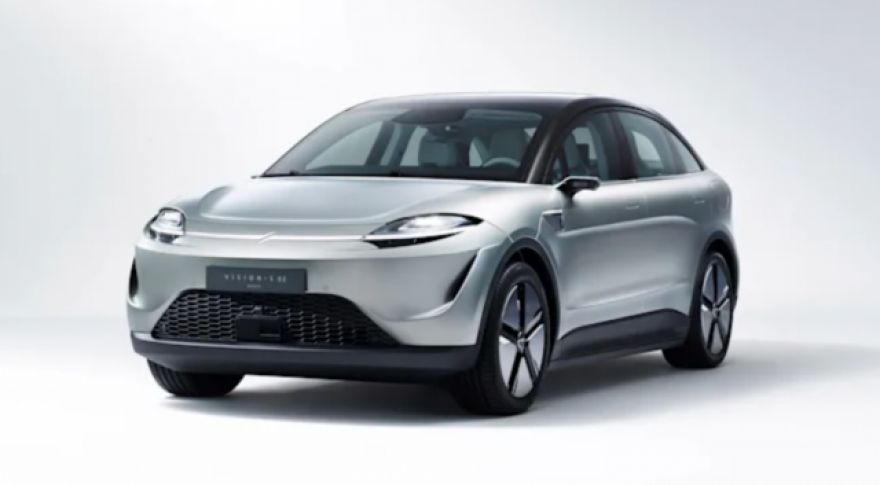
(Photo: Sony)A new player has entered the electric vehicle arena, and it isn’t a mainstream car manufacturer. Sony, whose name normally brings to mind hard-to-find gaming consoles and other in-home gadgets, is well on its way to releasing its first electric SUV to the public. Sony brought its sleek proof-of-concept to the CES 2022 stage this week. The SUV, referred to as Vision-S 02, is an all-electric seven-seater made to integrate with “a large variety of lifestyles.” Sony the prototype is currently being tested on public roads. The tech giant had actually shown off a concept EV (Vision-S 01) at CES two years prior, but the prototype remained just that: a proof of Sony’s EV prowess that never actually made it into anyone’s home garage.

What’s it going to take to create an AI that can understand? We keep trying to make computers that act like brains, but we don’t have an easy path to building computers that can understand things like brains do. And what happens if we get what we asked for — intelligent systems that are smarter and faster than we are? One key goal of neural networks and AGI (Artificial General Intelligence) is to mimic the fluent, responsive functions of the human brain to process complex information in real-time. We want the computer to understand what we want it to do.
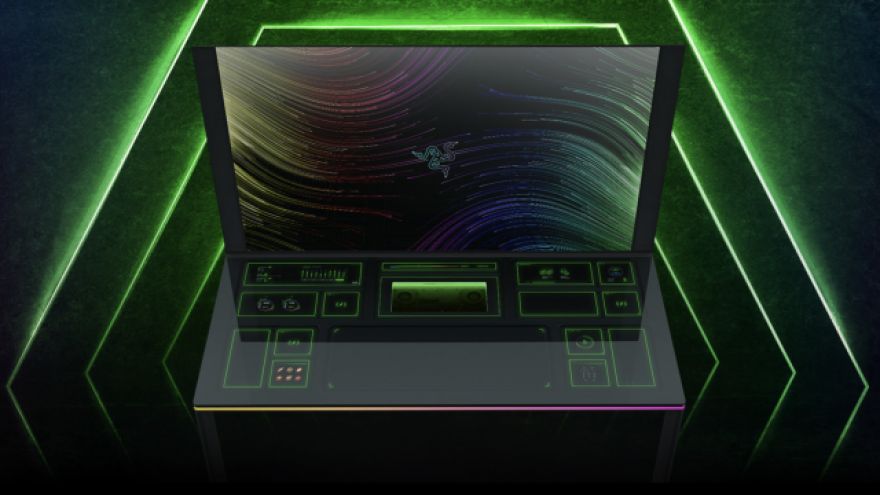
(Image: Razer)When CES rolls around in January, those of us in the tech press always expect a few crazy, next-gen projects to be unveiled. Sometimes it’s a new take on a or a gigantic television built into and/or taking the place of an entire . Sometimes, it’s Razer. Razer is known for debuting CES concepts so outlandish they are unlikely to reach the production phase. and the company didn’t disappoint this year with its latest concept named Project Sophia. Project Sophia is a modular gaming desk with hot-swappable components and a built-in OLED panel, housed in an all-glass, RGB-infused enclosure.

Microsoft did everything it could to get people to use the Edge browser when it launched Windows 10, but in the end, it decided to start over from scratch with a Chromium base. The change to an open source foundation was Microsoft’s chance to streamline and compete with more modern browsers, but it’s increasingly falling into old patterns. Case in point, . When activated, it adds game shortcuts to the address bar, which is surely what everyone has been wanting from a browser. The games panel is accessible in the Appearance settings as a toggle. When enabled, Edge gets a new game button in the address bar.

The left Earth behind on Christmas Day in a launch that, to all outside observers, appeared flawless. Now, NASA has confirmed that the Ariane 5 rocket did indeed complete its task with extreme precision. In fact, the launch went so well that the observatory’s fuel reserves are showing a surplus. NASA says it’s on track to have enough fuel to support . NASA has spent about 20 years and $10 billion building the Webb telescope, which will pick up where Hubble left off. Hubble was launched in 1990 with a planned life span of 15 years, but it’s now more than 30 years old.