For years, Apple has been dogged by claims that the company deliberately slowed down smartphones after new models shipped. For years, Apple and various media sources have claimed and seemingly demonstrated that this wasn’t true — or at least, not true in the manner often argued. In the wake of Apple’s admittance that it deliberately slows down iPhones to extend battery health, it’s worth revisiting these claims and investigating the evidence for or against them. Of Updates and Operating Systems One of the unique things about Apple is that it releases updates for older platforms much longer than any Android OEM, including Google.
Apple isn’t having a very good month. Before Christmas, the company acknowledged that it deliberately lowers the performance of older iPhones to keep them from over-drawing their batteries and powering down at bad times. Now, the company’s stock has dropped following reports that demand for its flagship iPhone X may be softening. Bloomberg multiple analysts cutting projected demand for the iPhone X by 10-15 million units. Apple is also supposed to have cut its own internal orders for the phone, and Hon Hai Precision Industry, aka Foxconn, has reportedly quit hiring workers. The overall impact for Apple’s product lines are unclear, and the potential impact of the company’s battery life issues .
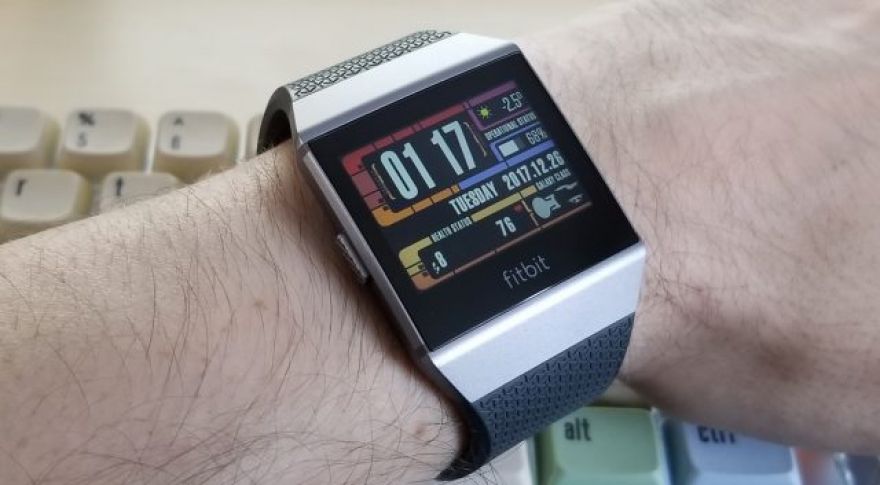
Is your wrist the next great technological frontier? That’s what Google, Apple, and other firms were hoping, but market research firm eMarketer reports that growth in the wearable space is continuing to slow. It in the next year, possibly slowing to to single digits the following year. Interest in wearables started picking up steam about five years ago as rumors of an Apple smartwatch began appearing. Some firms like Pebble managed to get smart wearables out the door ahead of Apple. Google also released the first Android Wear devices about a year in advance of the Apple Watch. The eventual Apple Watch release was by far the biggest thing in , though.
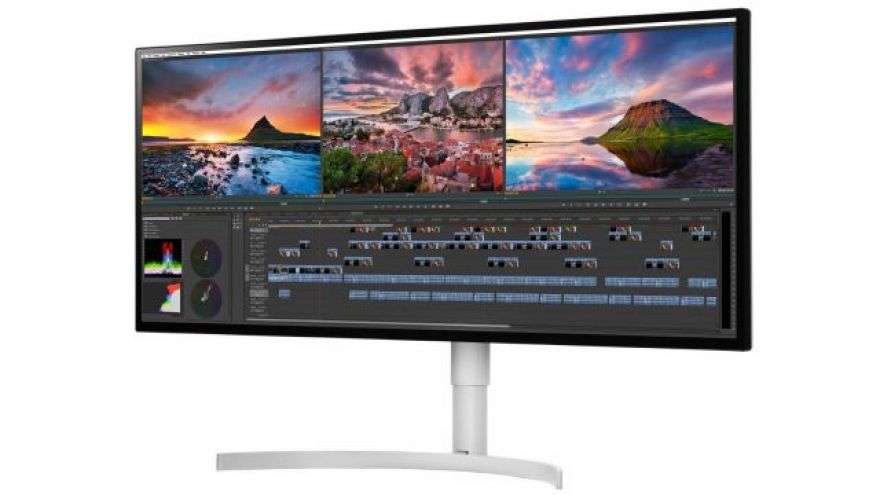
LG is taking a pair of gorgeous monitors to CES, and they’re both loaded with goodies. The first is a 4K 32-inch display (32UK950) with LG’s new Nano IPS technology. LG defines Nano IPS as “the application of nanometer-sized particles to the screen’s LED to absorb excess light wavelengths. This greatly enhances the intensity and purity of on-screen colors for a more accurate and life-like viewing experience.” Other features include support for 98 percent of the DCI-P3 color space and the VESA DisplayHDR 600 standard (meaning the monitor’s brightness is as high as 600 nits and can display HDR content even in bright indoor lighting).
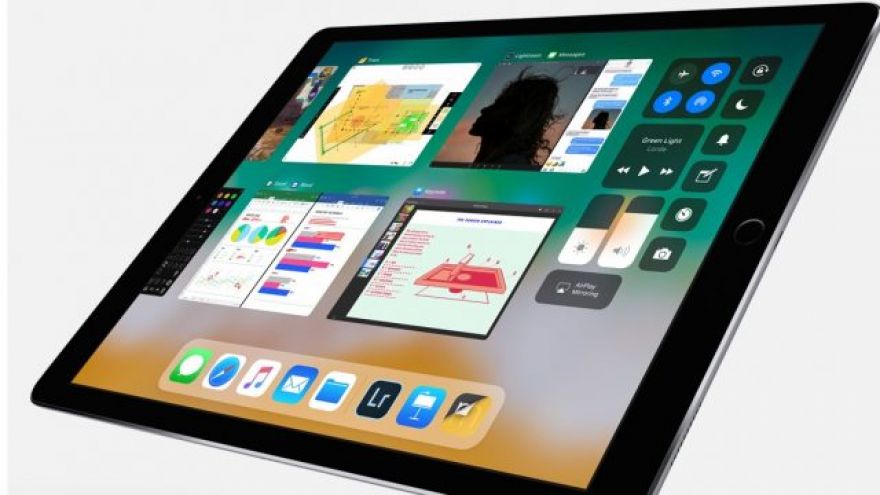
Ever since Apple launched the App Store for iOS, its two ecosystems have lived in largely separate worlds. While all iOS apps are purchased through the curated store (unless you jailbreak your phone), the macOS equivalent is a veritable ghost town. Apple wants to change that by allowing developers to design unified apps that work as well on a desktop as they do on a mobile device. This is Apple’s way of dealing with consistent complaints about the way the macOS store is often ignored, to Reuters. Instead of asking developers to build two entirely different applications for the two platforms, they’ll be able to target both.
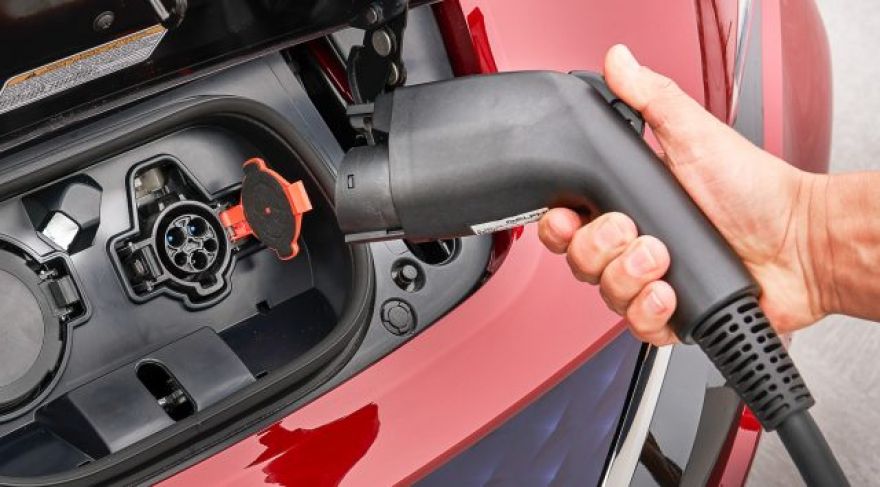
The $7,500 tax credit for buyers of electric vehicles is more than an expensive handout to rich Tesla buyers. It benefits mainstream EV buyers by making the cost of an EV closer to a comparable combustion engine car. Just as important, the tax credit incentivizes automakers and battery researchers in the US to keep working on newer, better, and cheaper electric vehicles. The US is a comparative laggard in adopting EVs. Other countries have bigger, more polluted cities and desperately need zero-emissions cars in urban areas. In the US, a vocal segment of the population has doubts about climate change and global warming, as do their representatives in Congress.

Most games for smartphones and tablets are designed to be simpler than PC and console titles. These games appeal to different audiences, and they’re easier to play in short sessions on the go. That’s not the case with the latest high-profile iPad game release. , and you can try it for free. If you want the full game, it’ll cost you a whopping $60. For the uninitiated, Civilization VI is the latest in a long line of turn-based strategy games. You choose a civilization and start out at the dawn of civilization. Your civ grows and becomes more powerful by developing new technologies like agriculture, masonry, sailing, and (eventually) electricity.
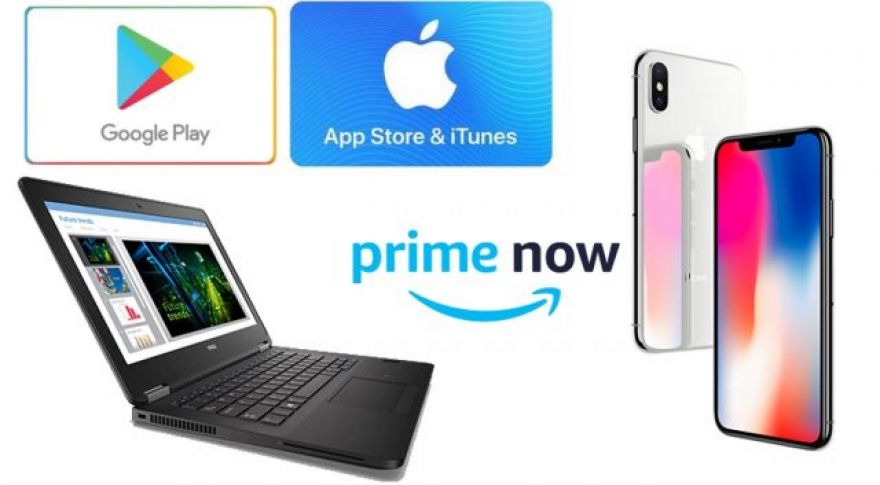
Whether you’re looking for very last-minute shopping ideas or just on the hunt for solid bargains, retailers are still offering great deals for the holiday season. And depending on the items and delivery location, you can still get some of them delivered in time for Christmas day. Featured Deals (Coupon code: LATITUDEGM2 – List price: $2191.86). (List price: $1041). (Coupon code: ITUNES15 – List price: $100). (Coupon code: GOOGLE – List price: $50). . . (List price: $229.99). (List price: $199.99). (List price: $7.99/month).
For many people, mobile devices are their main computing device. It’s no surprise then that malware creators have followed them to mobile platforms. Most pieces of Android do one or two things, often in a surreptitious manner to evade detection. That’s not the case with a new strain of malware called Loapi, discovered by Kaspersky researchers. They’re calling it a “jack of all trades” because it has modules for just about everything, from serving up ads to mining cryptocurrency . Loapi doesn’t exploit any wild new security holes to gain access to your phone. This is an example of good old-fashioned social engineering.