
SpaceX has been on the verge of test-firing its long-awaited Falcon Heavy rocket for weeks, but there’s a new kink in its plans. No, it’s not a mechanical issue with the rocket. It’s the intractable bureaucracy of the US government. After previously suggesting a government shutdown would not delay the Falcon Heavy project, now says it . Even if the current impasse in Washington is solved, we’re not out of the budgetary woods just yet. The Falcon Heavy is prepped for testing at Kennedy Space Center (KSC) in Cape Canaveral, Florida. It’s as SpaceX attempts to prepare for a static test fire.
Of all the companies hit by the Meltdown and Spectre vulnerabilities, Intel has been the , thanks to aggressive memory speculation and its own market dominance. Initial patches for the vulnerabilities have already begun rolling out, but have been hit by various problems, including a frequent reboot issue. Intel has been researching the problem and has a solution just about ready to deploy. In new guidance, the company : “We have now identified the root cause for Broadwell and Haswell platforms, and made good progress in developing a solution to address it. Over the weekend, we began rolling out an early version of the updated solution to industry partners for testing, and we will make a final release available once that testing has been completed.
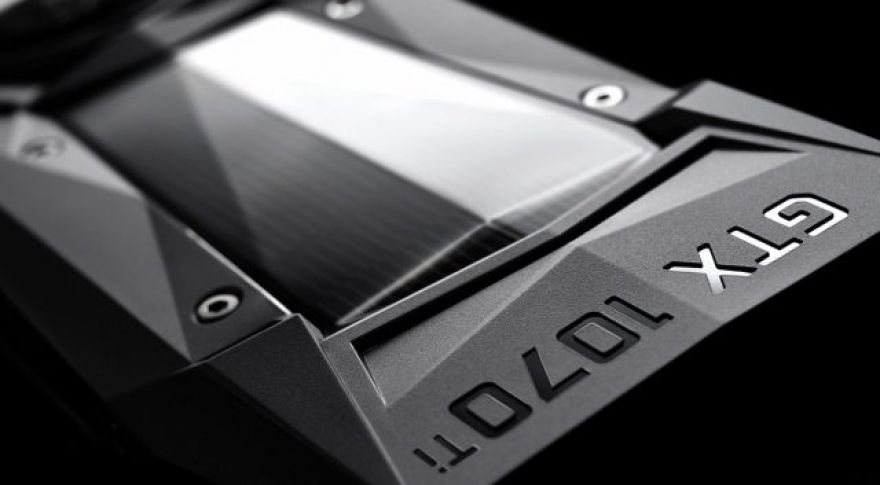
One of the most important choices every PC builder makes is which graphics card to buy. That choice has been getting much more stressful lately as the price of GPUs skyrockets. You can thank the surge of interest in cryptocurrency for the increase in graphics card prices, but Nvidia is . “Trying” is the operative word here. As recently as the middle of last year, you could get a high-end GPU from Nvidia for around retail price. The cost of AMD’s cards has been on an upward trend for even longer, though. Late last year, increased interest in cryptocurrency sent speculative virtual money enthusiasts running for their nearest GPU retailer to pick up equipment for a mining operation.
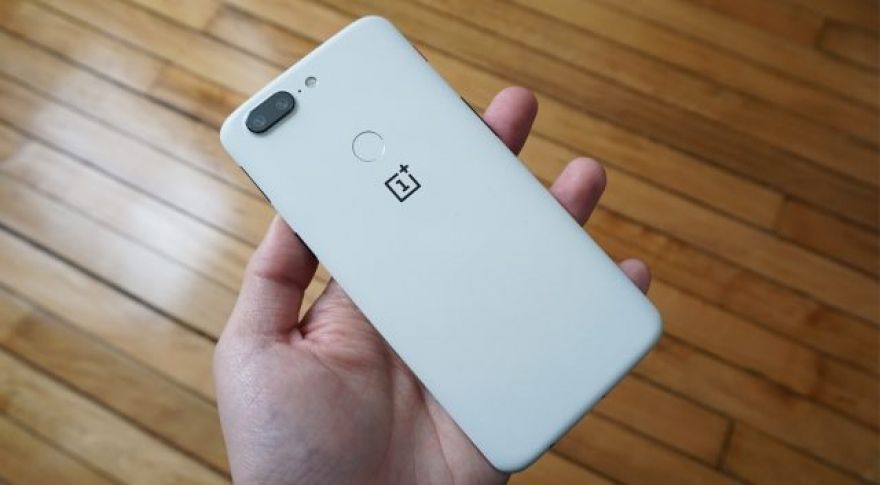
Android phone maker OnePlus was forced to shut down credit card payments on its website last week after numerous reports from customers of fraudulent charges. Today, the company has announced the preliminary results of its investigation, showing that may have had their credit card details stolen. It turns out a malicious script has been hiding on its website for about two months. According to OnePlus, an unknown attacker accessed one of its servers in mid-November and implanted a script, which siphoned payment details from customers when they entered their payment information in OnePlus’ online store. The stolen data included the card number, security code, and billing information.
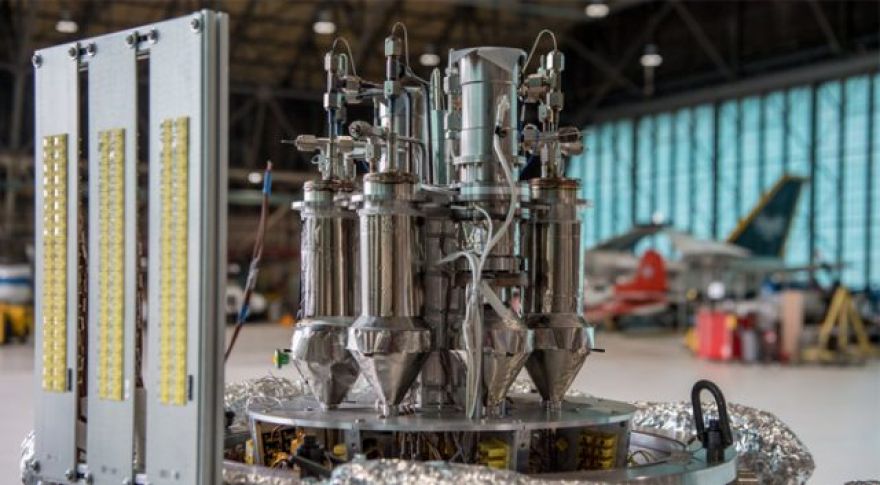
A power hiccup on Earth is probably little more than an annoyance, but it could be deadly during a theoretical deep space or Mars mission. NASA is looking into ways to power life support and scientific instruments reliably during future manned spaceflights, and small-scale nuclear reactors are at the top of the list. The space agency is working with the US Department of Energy and the National Nuclear Security Administration to test such a system. It’s called KRUSTY (Kilopower Reactor Using Stirling Technology), and it’s in a few weeks. According to NASA engineers who spoke at the recent National Atomic Testing Museum in Las Vegas, the Kilipower Project began testing the current reactor iteration in November 2017.
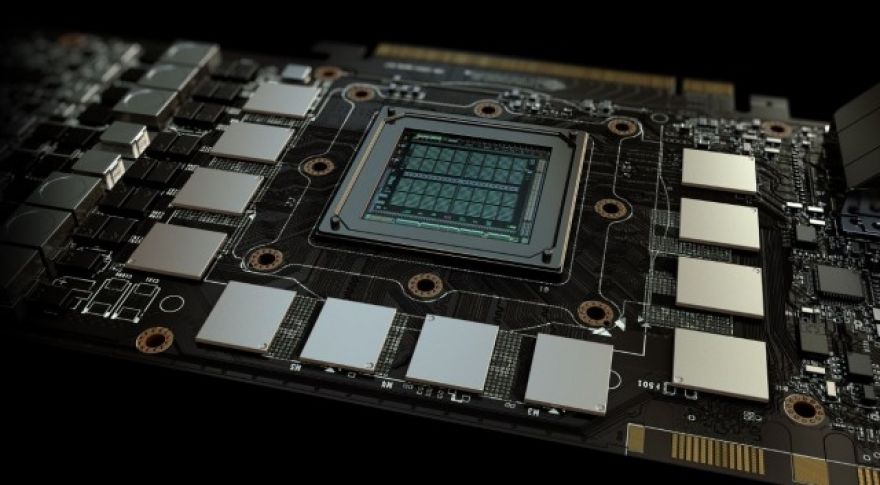
If you’re looking to build a PC today, chances are you’re in trouble. Cryptocurrency mining has driven the prices of GPUs from “inflated” to “utterly absurd.” In fact, prices are so high, they’re actually higher, in some cases, than we’d expect a person to spend on an entire computer. It’s one thing to say people shouldn’t buy in when a is running $50 to $100 over MSRP (and we’ve railed against these kinds of price wars before), but the pricing here is nuts. AMD’s Vega 56 and 64 are running at $800 to $1,500 — and that’s if you can even find a card.
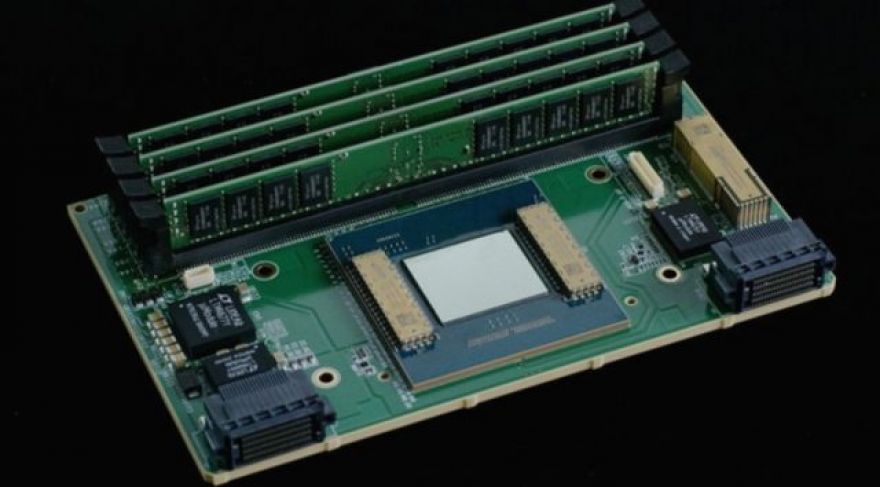
After Imagination Technologies bought MIPS Technologies in 2013, they invested in the architecture and attempted to build a business around it as a potential ARM competitor. These plans largely failed, and Imagination Technologies arranged the sale of MIPS — and itself — to different venture capital firms in the fall of 2017. Now, the company has been brought back to Silicon Valley, where it hopes to build a new line of competitive processors for AI workloads. Back in the 1990s, MIPS was the basis for a line of workstation hardware and devices like the PlayStation (R3000), Nintendo 64, PlayStation Portable, and PlayStation 2.

Earlier this month, we covered an upcoming FCC meeting in which the federal agency planned to vote on in the United States. Under the FCC’s proposed rules, wireless carriers with much lower speeds and vastly higher prices would’ve also counted as broadband providers for the purpose of deciding whether or not a rural or urban area was adequately served. The plan was heavily criticized for attempting to combine two different types of access that aren’t comparable and the FCC is apparently going to drop the effort. FCC Chairman Ajit Pai released a fact sheet concerning the FCC’s February meeting.
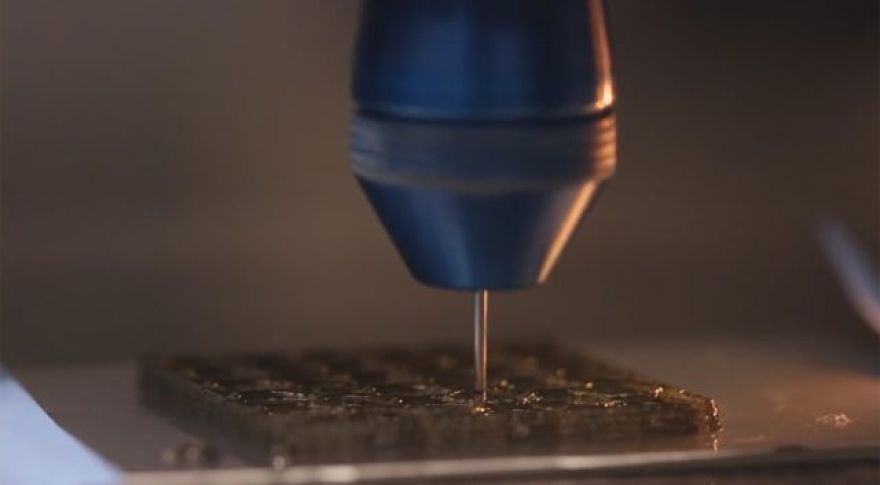
Researchers from Harvard have developed a way to make 3D printed objects more durable, but the technique works with the same plastics already used in consumer machines. It turns out making a stronger 3D object is as much about the empty space as the plastic structure. Using a , the team has managed to precisely control the arrangement of microscopic fibers and give the finished object greater strength relative to its mass. When you print something with a consumer , modifying the infill percentage and geometry can allow for a stronger part — it’s like adding structural supports inside an object by depositing more build medium in a given area.