
At ExtremeTech, much of the work we focus on takes place in the realms of the incredibly small. Transistors, after all, stopped being visible to the naked eye quite some time ago. But just because we focus on the nanoscale as a general rule doesn’t mean there aren’t major breakthroughs taking place that are, well, quite a bit bigger. Today, we’re rounding up some of the largest construction projects around the world. Instead of looking for a single theme, we’ve pulled together a range of projects, each notable for its own achievements. The result is a touch more eclectic, but also hopefully more interesting.

Ever since VR technology began tiptoeing toward a wider market with the launch of Kickstarters for projects like the Oculus Rift, an unwelcome presence has wafted across the technology: nausea. Put simply, virtual reality makes some people seasick. It’s the reason why you’ll see the press and reviewers emphasize the importance of high frame rates. It’s why you’ll often see games with limited mobility or titles that warp you from location to location. And it’s why game developers frequently recommend taking breaks from VR titles and only playing for small amounts of time, at least at first. Now, LG thinks it can use an AI to take some of the nausea out of gaming, possibly improving player uptake in the process.
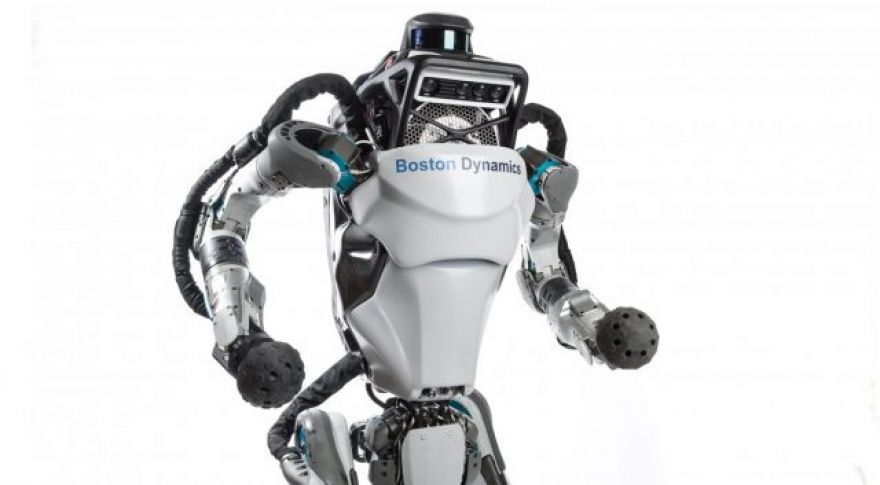
Despite all the warning of a robot apocalypse in popular culture, there are still ample companies working at the bleeding edge of robotics. One day, the robots will take our jobs, but hopefully not our lives. Advances in robotics could also usher in a new era for humanity, freeing us from menial labor once and for all. These are the five most promising companies hastening that day. You probably haven’t encountered any robots from these firms, but it’s only a matter of time. Boston Dynamics This former Google company (now owned by Japan’s Softbank) is probably the closest to being a household name.
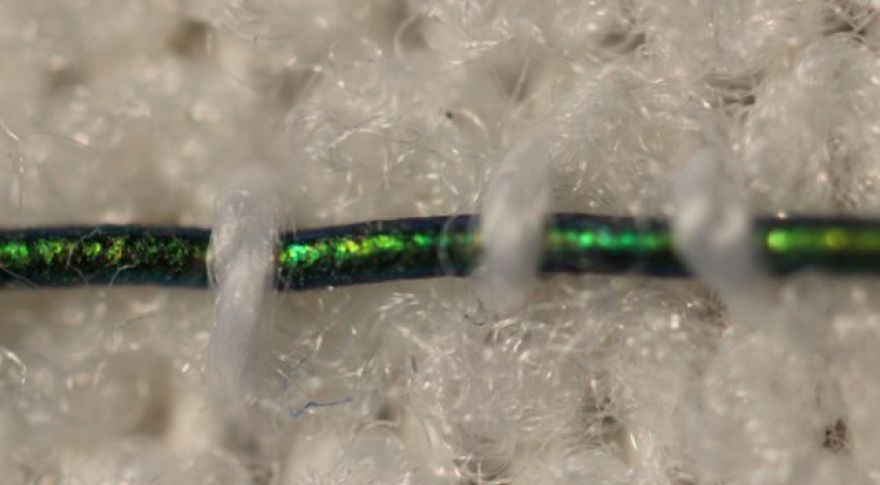
Patients with circulation and blood pressure disorders rely on compression therapy to keep blood from pooling in unwanted places, but it’s notoriously difficult to apply and keep these special wraps in place. If they’re not tight enough, blood won’t return efficiently enough. Too tight, and you restrict blood flow. A team of engineers from have developed a new with the aid of color-changing fibers. Just match the color, and you’ll know the bandage is just right. The structure of these pressure-sensitive wraps is no different than the ones used by patients all over the world. The team added strands of photonic fibers to the bandages, which change color as they stretch.

We’ve discussed AMD’s 7nm plans several times this year, including the company’s decision to source its 7nm silicon for Vega’s machine learning iteration from TSMC. As Extreme Ultraviolet Lithography (EUV) ramps up and begins to enter production, a number of foundries including TSMC, Samsung, GlobalFoundries, and Intel are pursuing their own strategies and introduction plans. One interesting tidbit in a recent report sheds a bit more light on AMD’s 7nm plans and suggests we’ll see the company pursuing dual-source strategy well into next year. In an article at , GlobalFoundries admits using similar pitches and SRAM cells to TSMC’s 7nm, precisely because it gives AMD more flexibility.
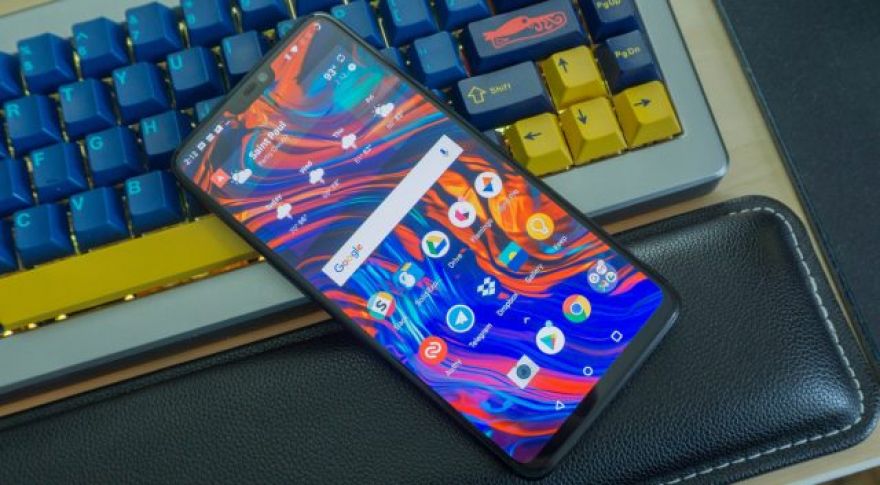
OnePlus is taking orders for its latest top-of-the-line smartphone, predictably called the OnePlus 6. The company started by offering almost impossibly cheap phones with flagship-level specs — it cheekily called its second phone a “flagship killer.” However, over the years, has increased the price of each phone. Now, the $530 OnePlus 6 is encroaching on flagship territory itself. Reviewers like the phone, but OnePlus still can’t compete in the flagship space. OnePlus has upped its design game, and this is the aspect that feels most competitive with more expensive phones. The OnePlus 6 is the first phone from the company to embrace the screen notch design.
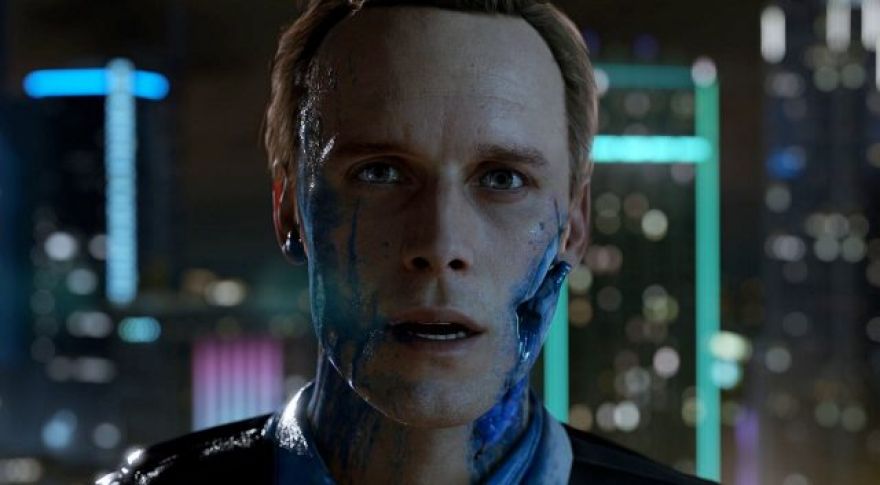
If nothing else, Quantic Dream knows how to grab attention. Even though this studio is best-known for turning mundane tasks like twisting doorknobs into game mechanics, there’s a level of fidelity in its recent works that is undeniably eye-catching. And despite Detroit: Beyond Human stemming from a 2012 PS3 tech demo, this new release is still capable of surprising us. On IGN, our sister site, reviewer Lucy O’Brien gave Detroit a Great . The sheer number of possible twists and turns available to choose from is truly impressive, and she heaps praise on the quality of both the performance capture tech and the performances themselves.

Did you miss out on all the deals that happened during the long Memorial Day weekend? Don’t worry, the folks over at our sister site have put together a list of some of the best deals that are still available for purchase. From 4K TVs to portable jump-starters, there are loads of bargains just waiting for you. Featured Deals with $300 Dell Gift Card for $1899 at Dell (List price: $2299). with Triple Black for $699.99 at Walmart (List price: $1699.99). Intel Core i7-7500U 15.6-inch Win10 Pro Laptop with 512GB SSD for $649.99 at Dell (List price: $909.99).

Star Citizen — the crowdfunded game that’s raised nearly $187M from an estimated two million donors — has announced another infamous content pack for its most enthusiastic backers. This time it’s offering content the company prices at a bit under the median cost of a brand-new car in modern America. The new $27,000 “Legatus” pack comes with 111 ships and 163 extras, and you can’t even see it for sale unless you’ve previously bought $1,000 worth of SC content for a game that hasn’t even entered beta yet. Star Citizen is a . It’s also, depending on who you talk to, an attempt to reinvent in a single mammoth title, a technical masterpiece, a limited alpha, suffering from an almost-certainly-eventually-terminal case of , the most popular game on Kickstarter, and a game that raised more money on Kickstarter in 2017 than every other game combined and doubled.