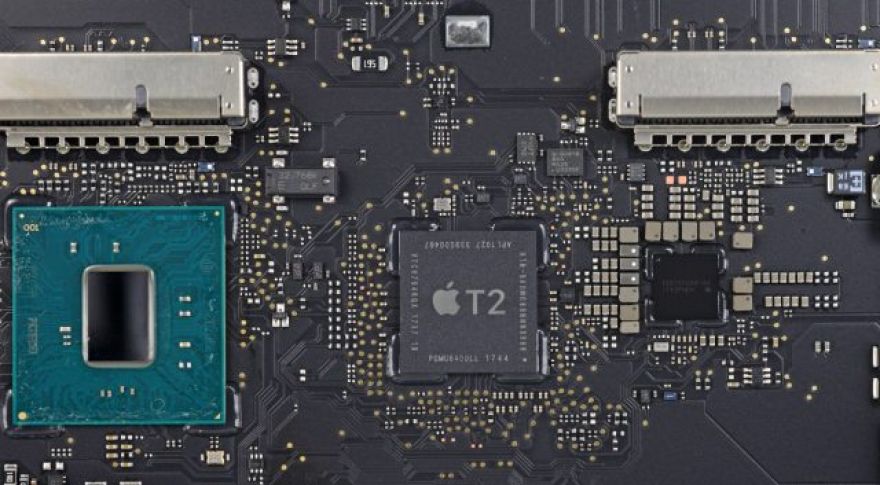
Apple’s Macintosh systems equipped with the company’s T2 processor reportedly have a serious audio bug that may be related to how that chip interacts with the rest of the system. There have been reports of various audio drop-outs and problems almost since the new systems launched, but that’s not automatically surprising given the need for OS updates and software tweaks to support new hardware. The problems — and to be clear, this is separate from the other speaker issues reported with the new Macs, or the Adobe Premiere Pro problem reported earlier in February — are supposedly linked to, or at least exist simultaneously alongside, the T2 chip.
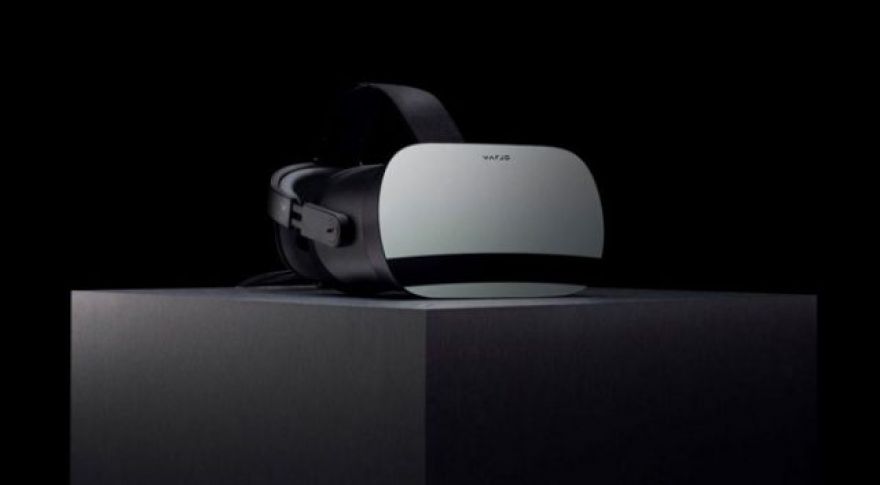
Virtual reality headsets have been available to consumers for several years, and growth has been stagnant by all accounts. Even Oculus founder Palmer Luckey says VR . One of the most significant issues is that VR isn’t as immersive as it could be because of low screen resolutions. One company says it has developed VR that operates with previously unheard of visual fidelity, but . You’re not really supposed to buy it, though. While consumer VR is still lagging expectations, a lot of businesses are very interested in the technology and willing to pay higher prices. Finnish startup Varjo initially wanted to make augmented reality gear for enterprise, but most potential clients say they wanted higher resolution VR more than AR.
Ever since the Spectre and Meltdown series of security flaws were disclosed, there have been questions about just how secure the modern CPUs we use can be. At the same time, the difference in which companies were exposed to which specific attacks created confusion about just how to weigh the evidence. Or, to put it bluntly — was Spectre really only a problem for Intel, with incidental exposure for other companies? A group of Google researchers has an answer to this question, and it’s not one people are going to like. We quote: Vulnerabilities from speculative execution are not processor bugs but are more properly considered fundamental design flaws, since they do not arise from errata.
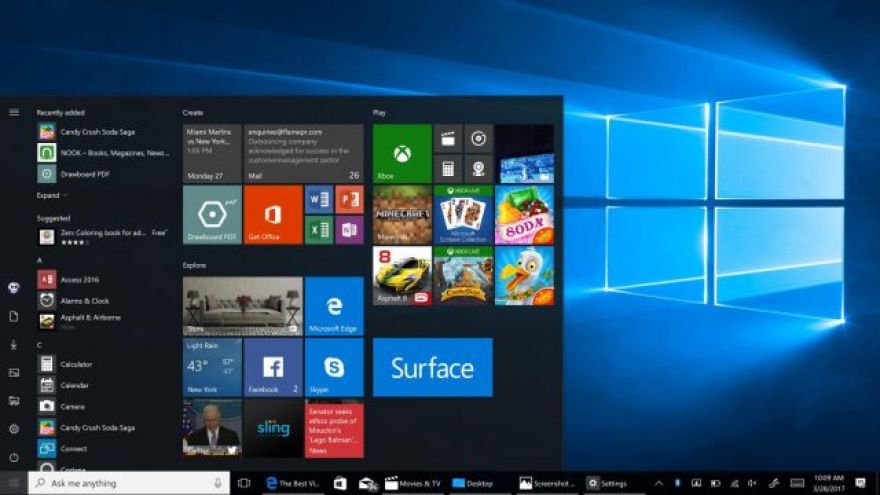
Chromebooks have been making impressive gains in territory Microsoft typically regards as its own space, and Redmond has a plan to do something about it. But trying to crack the Chromebook and education market isn’t just a matter of slapping Windows 10 on to lower-end hardware — there are particular concerns that these education users have, there are cost issues to consider, and the OS has to be tailored to meet the specific needs of the students that will use it. To meet this need, Microsoft is reportedly working on a new version of its Windows 10 OS, dubbed “Lite.
Last month, we detailed Google’s proposed changes to how extensions function in Chrome and the significant impact this was expected to have on adblockers and other privacy and security-minded extensions. In short, Google had proposed a series of changes to Chrome in its Manifest V3 document that would have put substantial limitations on the types and kinds of extensions that could be built within the browser. Adblockers, script blockers, and various privacy extensions were all going to be impacted in various ways. The response from extension authors was significant and overwhelmingly negative. Ghostery published a report on the performance impact of adblock and privacy extensions, given that one of the stated reasons for the changes Google wanted to make was to improve overall web performance.
Tesla made headlines this month — actually, when doesn’t Tesla make headlines? — when the company bought battery-maker Maxwell for its ultracapacitor technology and its work on battery density. Analysts agreed Tesla was smart to pay in shares of Tesla stock, not cash, because Tesla has lots of stock on hand. Analysts are also divided on the prospects of ultracapacitors in the near term and Maxwell as an acquisition. But Maxwell is also a developer of other battery technology. It’s just that ultra-caps generate the most intense interest. Ultracapacitors quickly capture and release large amounts of energy stored between two charged plates.
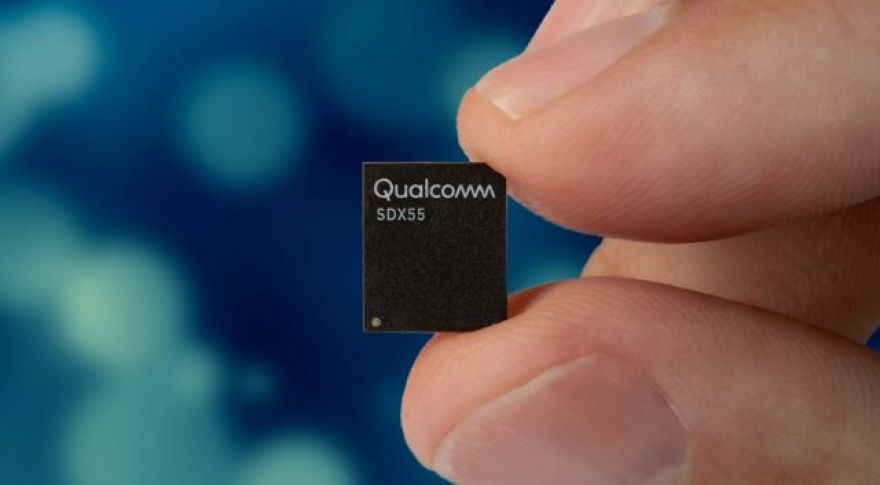
We’re all expecting to see the first commercial 5G phones this year running on the X50 millimeter wave modem. That was Qualcomm’s latest and greatest until now — behold the X55 5G modem. It’s faster and more capable than the X50, but you won’t see it in any phones until 2020. That’s a bit of a bummer for all these first-gen 5G phones, which will suffer from numerous disadvantages at launch. Qualcomm says the X55 will support data speeds as high as 7Gbps. Great, you’ll never see speeds that high on a real carrier network, but bigger numbers are better.
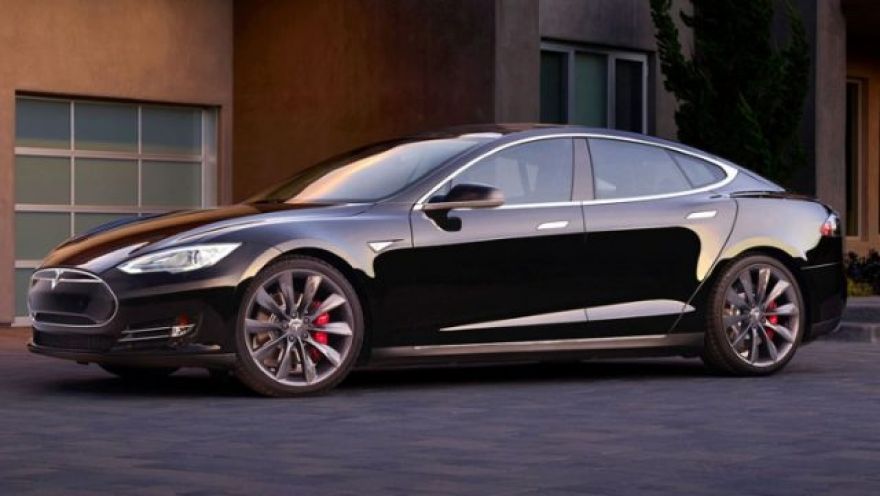
In January 2017, the National Highway Traffic Safety Administration released a statement on the safety and efficacy of Tesla’s Autosteer technology. According to the Office of Defects Investigation (ODI), Tesla’s lane-keeping technology had reduced accident rates by nearly 40 percent. We now know that number was completely wrong, based on a new analysis of the same data set the NHTSA used to reach that conclusion. The analysis firm filed an FOIA request with the NHTSA to see the actual data the organization had used. The NHTSA had already backed away from its own conclusion, having issued a statement a bit less than a year ago that the 40-percent figure was merely a preliminary conclusion.
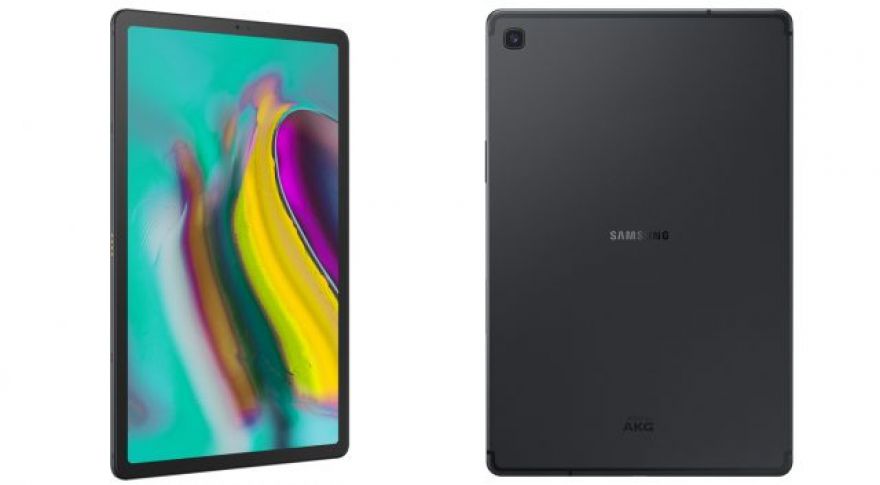
Android tablets have fallen far behind the iPad in terms of support and app availability — Google hasn’t even released a tablet since 2015. That hasn’t stopped Samsung from rolling out the occasional Android-powered slate. The super-premium Tab S4 arrived last year, and now Samsung has a new midrange tablet: the $400 Galaxy Tab S5e. It’s not as fast, but it is impressively thin and light. The Tab S5e is almost identical to the Tab S4 with a 10.5-inch 2560×1600 OLED. Samsung is the only manufacturer making with OLEDs, and they look fantastic. However, the Tab S5e won’t work with the company’s S Pen stylus, which is bundled with the Tab S4.