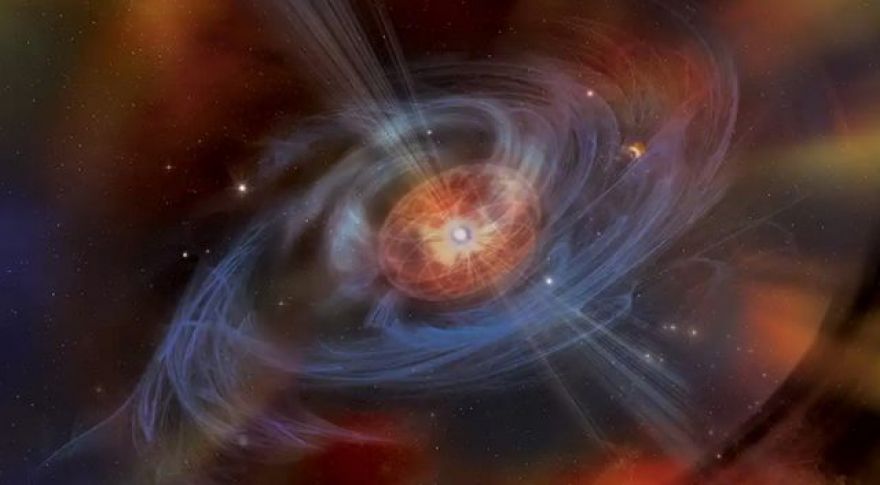
There are myriad mysteries in the vastness of the universe, but astronomers around the world are particularly enamored with Fast Radio Bursts (FRB) right now. Since discovering the first FRB in the early 2000s, scientists have been trying to identify the source of these intensely powerful electromagnetic signals. A new analysis from NASA has , which could help scientists narrow down a cause. The first recorded FRB strobed past Earth in 2001, but scientists didn’t notice it in the data until a later review in 2007. These pulses can release as much energy as the Sun does in an entire year, but they last mere milliseconds.
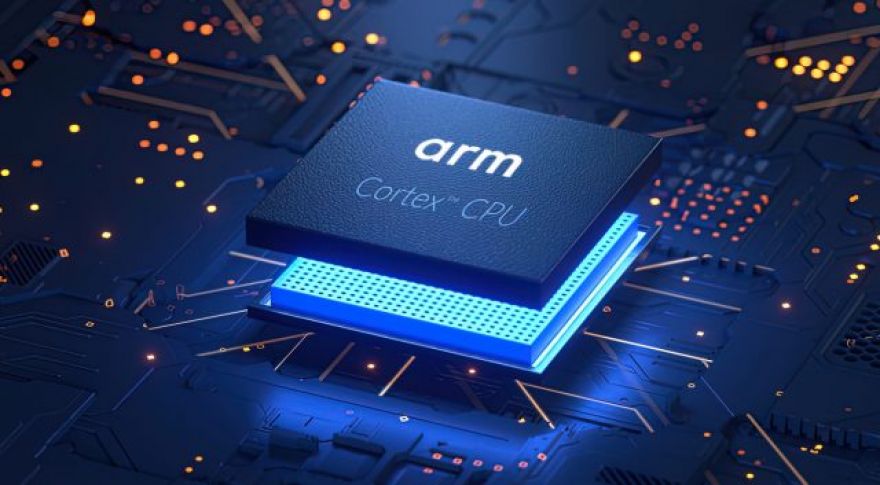
ARM has released new information on what we can expect from the first generation of ARMv9 CPUs. The latest version of the ARM ISA debuted earlier this year with an emphasis on improving SIMD performance and security. Now, ARM has released information on what kind of baseline performance and efficiency improvements end-users should expect. ARM is announcing these CPUs as part of its Total Compute solutions initiative. These CPUs deliver on what ARM is calling the three pillars of its Total Compute strategy: compute performance, developer access, and security. Today, the company is announcing the Cortex X2, Cortex-A710, and Cortex-A510 processors.
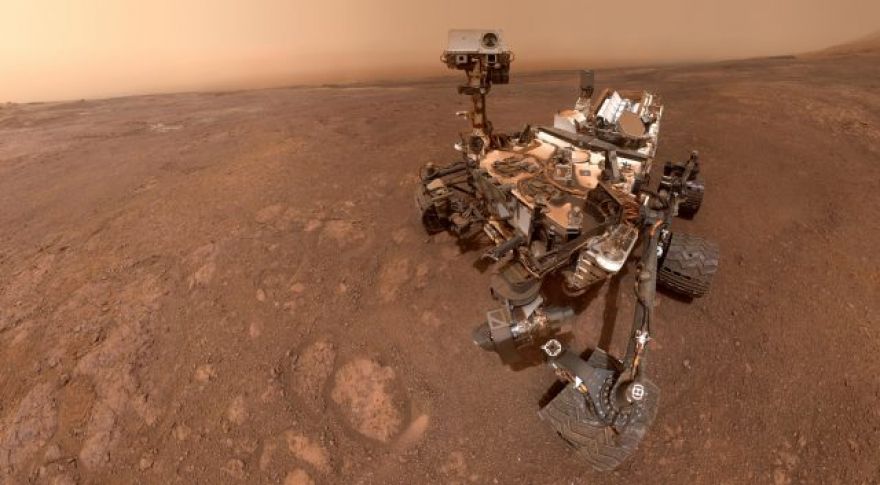
NASA has announced that certain organic salts are “likely present” on Mars. While this is not proof that organic life once existed on the surface of the Red Planet, it illustrates that the appropriate types of chemical reactions likely once took place on Mars’ surface. The organic salts NASA thinks Curiosity detected don’t just speak to the planet’s current habitability, they have implications for is now as well. While the immediate answer might seem to be obvious — Mars won’t be winning any awards for its outdoor gardens any time in the near future — the presence or absence of certain minerals signals what kind of plants might be able to live on Mars and the kind of ecosystems we would need to build to prosper on the planet long-term.
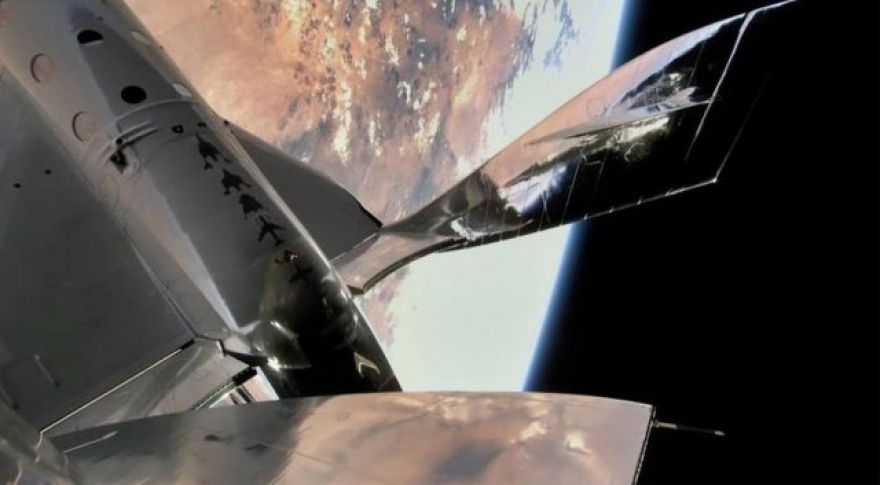
It seems like Richard Branson might have gotten interested in space too early. Since the mid-2000s, Branson’s Virgin Galactic has been inching toward high-altitude spaceplane flights that will offer a few minutes of weightlessness. Fellow billionaires Elon Musk and Jeff Bezos have more recently gotten into commercial rockets that have the potential to take passengers into space. Regardless, Branson’s space tourism plan is almost at the goal. Following , the company is on track to fly its first passengers late this year. According to Virgin Galactic, pilots Dave Mackay and CJ Sturckow successfully flew the first of three key test flights over the weekend, reaching an altitude of 55 miles (89 kilometers).

If you’re interested in technology, you’ll likely have an interest in gaming. It’s where a whole range of technological, animation, coding, and narrative innovations are being made right now. It’s stunning what even small independent studios can achieve with their games. And if you’re interested in a career in game development, taking the first steps towards creating your own games is just a little bit of education away. Right now, is on sale for the low price of $69.99, a wonderful saving – it means the included 11 courses cost only $6.36, even though they’re valued at $200 each – and you get a free year of PlayStation Plus membership.
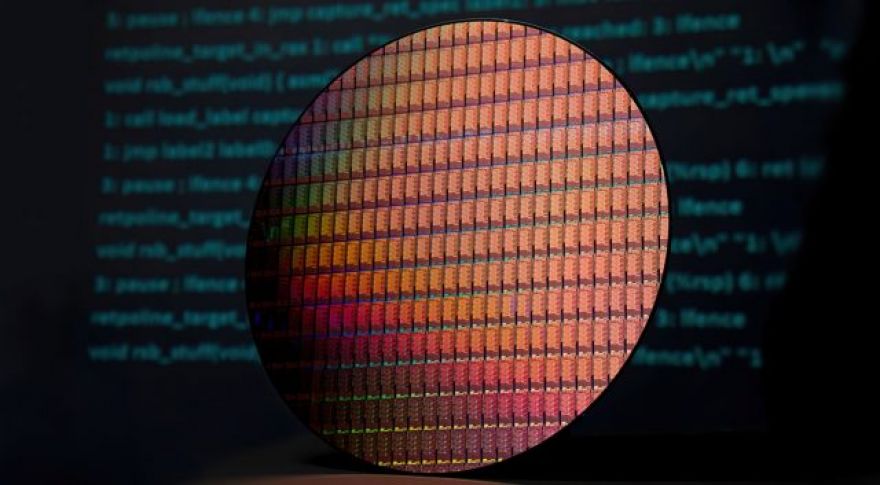
A new microprocessor design is being lauded for its security features after nearly 600 experts failed to hack it in a series of tests last summer. The new processor, codenamed “Morpheus,” continually rewrites its own architecture, making it impossible for an attacker to target the kinds of flaws that allow Spectre and Meltdown-style side-channel attacks against conventional x86 processors. Morpheus was developed as part of a DARPA-funded project. Some 580 experts attempted to hack a medical database by injecting code into the underlying machine. Despite burning 13,000 hours collectively in an effort to hack the system, the effort failed.
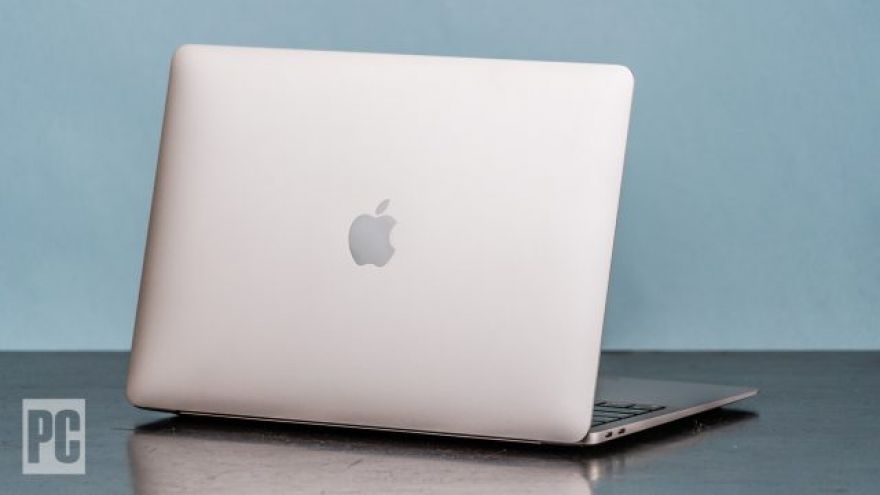
Apple’s MacBook Pro laptops equipped with the company’s revolutionary M1 chip offer excellent performance for a wide range of tasks, and you can get one now with an $100 discount. Chip 13.3-Inch Laptop w/ 8GB RAM and 256GB SSD for $1,199.00 from Amazon (List price $1,299.00) Intel Core i5-1135G7 1080p 15.6-Inch Laptop w/ Intel Iris Xe Graphics, 8GB DDR4 RAM and 256GB NVMe SSD for $639.00 from Dell (List price $1,170.00) for $179.99 from Amazon (List price $299.99) 4.8GHz Six-Core Desktop Processor $214.99 from Amazon (List price $263.00) External SSD for $139.99 from Amazon (List price $199.99) 40mm GPS Smartwatch for $329.00 from Amazon (List price $399.00)
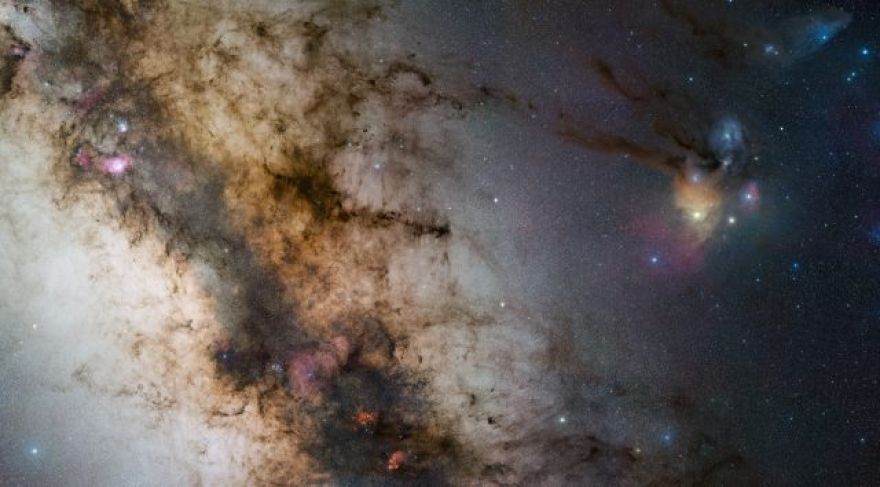
The current scientific consensus is that a supermassive black hole lurks at the center of our galaxy. We know that’s true in other galaxies — there’s even . However, a new study suggests that the Milky Way might not have a black hole. The object, known as Sagittarius A*, , based on the properties of several objects spotted zipping around it. If true, this would have major implications for our understanding of the universe. The problem is we can’t see Sagittarius A* (pronounced “Sagittarius A star”) directly, which is what you’d expect from a black hole. We can only infer its presence from the motion of objects around it, which do indeed appear to be under the influence of a very massive object.
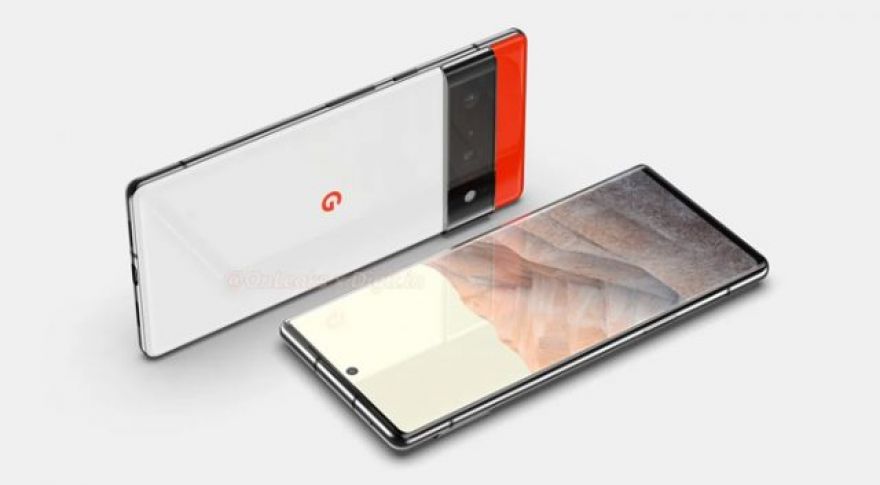
We’re still half a year away from Google’s expected Pixel 6 unveiling, but the leaks are already ramping up. The first renders of the upcoming Pixels appeared , courtesy of Jon Prosser. The latest leak looks similar, if perhaps a bit more elegant. The big honkin’ camera visor is here to stay, it would seem. The new leak comes to us from Steve McFly, better known as Onleaks. The images are not official — McFly makes his renders based on leaked CAD files. So, all his previous leaks have turned out to be very accurate. Prosser’s track record is hit-and-miss, but the similarity of the new renders makes me confident we’re looking at a real Pixel phone.