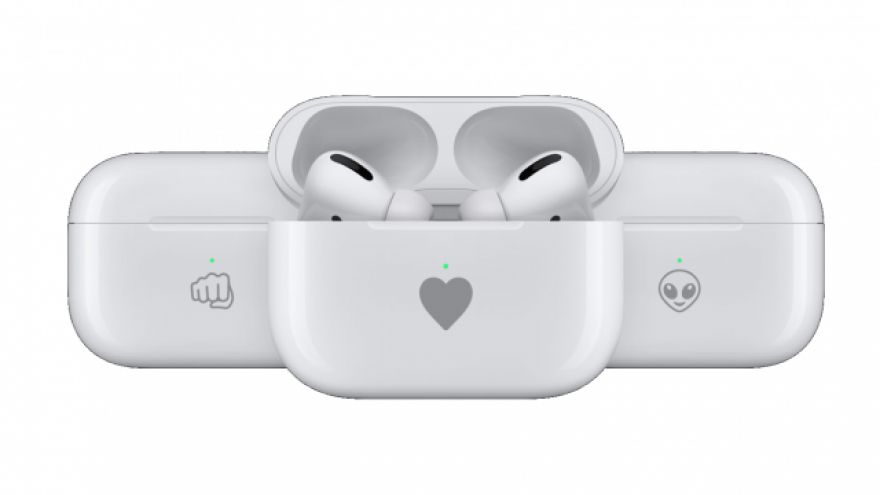
Today you can get Apple’s premium wireless AirPods Pro headphones with a $70 discount from Amazon. This makes these high-end earbuds just $179.00, which is the lowest price we’ve seen on them to date. Wireless Earbuds for $179.99 from Amazon (List Price $249.00) 32GB 8″ WiFi Tablet with Special Offers for $59.99 from Amazon (list price $89.99) Intel Core i7-10870H 15.6-Inch 1080p 144Hz G-Sync Gaming Laptop w/ Nvidia GeForce RTX 3070, 16GB DDR4 RAM and 512GB M.2 PCI-E SSD for $1,874.39 from Dell with promo code SAVE12 (List price $2,099.99) for $524.99 from Amazon w/ clickable coupon (List price $749.99) 128GB Unlocked Smartphone for $649.99 from Amazon (List price $799.99) External HDD for $289.99 from Amazon (List price $419.99)
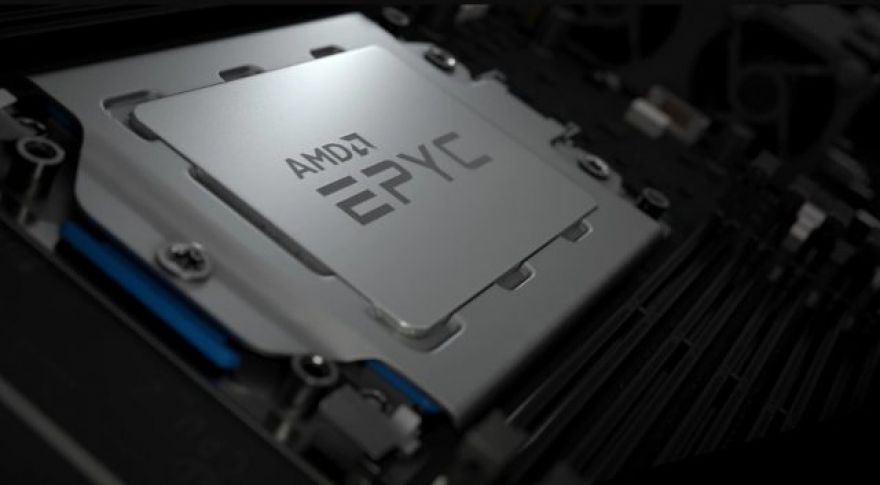
Gigabyte isn’t having a great month. The company was hit by an attack that stole 112GB of data off its servers last week, including (apparently) data on AMD’s upcoming Genoa servers, based on its Zen 4 architecture. Zen 4 isn’t expected to launch in the near future. The next server CPU expected from AMD is Milan-X, which will combine 64MB of vertically mounted L3 cache per chiplet with an existing Zen 3 core, or up to 512MB of additional L3 in total. Zen 4, when it arrives next year, will bring a series of fundamental changes (and, presumably, will keep its larger L3 cache).
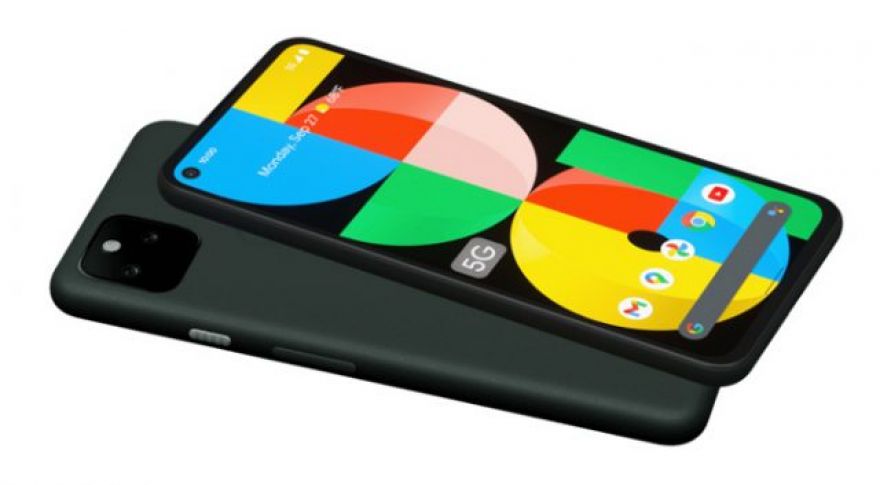
Google has struggled to make its premium Pixel phones a success, but the company’s budget-minded A-series Pixels have been great from the start. These phones merge the best of Google’s software with less expensive hardware for a budget experience that blows the competition out of the water. Google has just unveiled the long-rumored , a phone we . It looks a lot like last year’s Pixel 4a 5G, but it’s got a bigger battery and it’s a little less expensive. Last year’s Pixel 4a 5G had a 6.2-inch 1080p OLED paired with a 3885 mAh battery, and the Pixel 5a has a 6.2-inch 1080p OLED with a 4620 mAh battery.
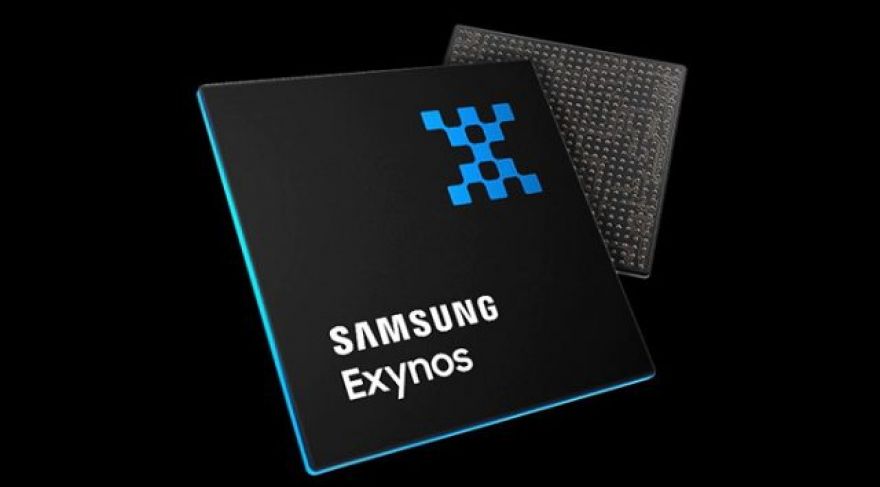
In using AI tools to design chips, Samsung is the latest company tossing its hat into the growing arena. The company has apparently harnessed new AI processing tools from the Electronic Design Automation (EDA) manufacturer Synopsys to build an upcoming Exynos mobile SoC. Synopsys is a believable partner for this kind of work; decades of experience building chip design tools have undoubtedly given the company a rich data set for training models. Artificial intelligence has been over-hyped in many areas relative to what AI and ML networks have actually accomplished to date. In some areas, like self-driving cars and , progress has been slower than anticipated.

(Photo: Ehimetalor Akhere Unuabona/Unsplash)During the week of August 1st to August 8th, Japanese magazine line Famitsu’s was made up entirely of Nintendo Switch games. It’s the first time in 33 years that software from a single console has swept Japan’s games sales chart. Famitsu Weekly, Japan’s most popular video game publication, has long wielded the responsibility of rounding up weekly numbers for Japanese video game sales. It’s extremely difficult for one console to take over the magazine’s Top 30 chart; while the NES, Super NES, and Game Boy all came close to stealing the spotlight in the ’90s, the last time the charts experienced a complete sweep was in 1988 with the Famicom, Nintendo’s first iteration of what would become the NES.

Medical prosthetics have come a long way, offering patients who have lost a limb access to nerve-sensing bionic replacements with impressive dexterity. However, these “neuroprosthetics” can cost many thousands of dollars, and they’re heavy, rigid, and prone to mechanical failures. Researchers from MIT and Shanghai Jiao Tong University have that’s the opposite: light, soft, and potentially very, very cheap. The unyielding fingers of most prosthetics make it difficult to pick up delicate objects or just shake someone’s hand. The newly designed stretchy hand addresses this in a few ways. First, it’s made from a flexible elastomer known as EcoFlex.
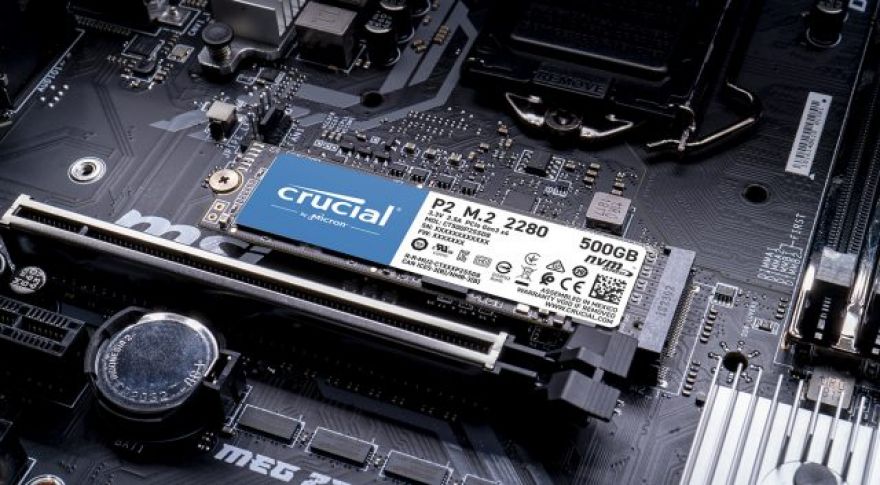
Crucial has come under fire after a retest of its well-reviewed P2 SSD demonstrated that the company has swapped from its launch design to a much inferior product. This is not the first time SSD manufacturers have been caught bait-and-switching customers in this fashion and it’s deeply frustrating to see companies willing to subvert their own review process. The scheme goes like this: Sample an SSD out to reviewers and spec it reasonably well. Once all the reviews are in, swap out the components for inferior products that are not as power-efficient and/or do not offer the same performance.
Intel has announced the new brand name for its consumer GPU products as well as code names for future GPU microarchitectures. The Xe microarchitecture has a new codename: Alchemist. Following Alchemist, we’ll see the launch of Battlemage, Celestial, and Druid. Intel did not disclose whether future Druid customers will be required to demonstrate neutral alignments as per 5th Edition D&D rules. Future consumer GPU hardware and software will be collectively branded as “Intel Arc.” Intel writes: “The Arc brand will cover hardware, software, and services, and will span multiple hardware generations, with the first generation, based on the Xe HPG microarchitecture, code-named Alchemist (formerly known as DG2).
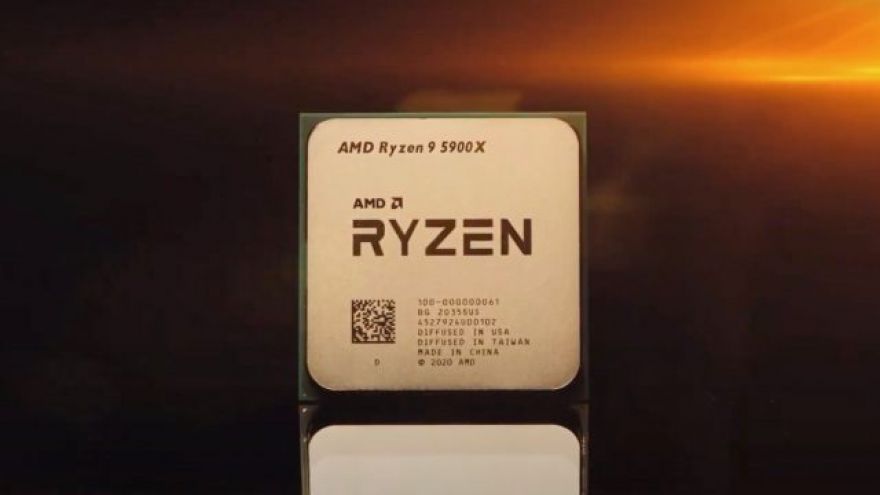
AMD has made gains over Intel in server and mobile shipments and slipped slightly when it comes to consumer desktop shipments, according to new data from Mercury Research measuring relative market share changes between the two companies. AMD has been chipping away at Intel’s market share since the debut of Ryzen four years ago, and that chipping has paid dividends, but the impact of the semiconductor shortage and COVID-19 pandemic has blunted AMD’s ability to take share in every market. When Intel or AMD is manufacturing constrained, they focus on shipping the most valuable parts they can build. This typically means both firms prioritize server and mobile marketing share over desktop.