
Being on the cutting edge of both technology and finance offers incredible opportunities, both for investment and for your career. Learning about cryptocurrencies, NFTs, blockchain, and more is easy with an extra 40 percent off these elearning bundles. Start trading on the forefront of fintech with this comprehensive instructional course. Learn everything to do with cryptocurrencies – what are they, how they’re mined, what to invest in, and more. Get both the essentials and the higher-level concepts with this blockchain certification course. Understand the technology’s origins and learn to practically apply everything you learn, including the use of blockchain tools such as Ganache, Truffle, Meta Mask, and Geth.
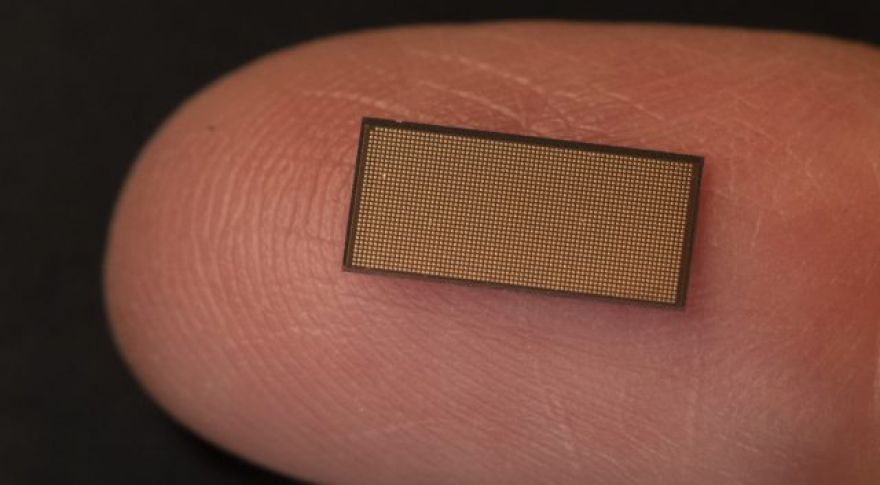
Several years ago, Intel unveiled Loihi, its first public neuromorphic research processor. The term “neuromorphic” is essentially a catch-all for any type of processor that attempts to mimic the function of the brain. Because the brain is a complex organism, different chips can be neuromorphic in different ways, depending on which aspect of the brain’s design they attempt to copy. Now, Intel has announced Loihi 2, built on the upcoming Intel 4 process node. Intel 4 is still in pre-production and Intel isn’t announcing any kind of surprise launch cadence. Presumably, Loihi 2 is a very early pipe cleaner for the node.

Today you can get a compact 13.3-inch Dell laptop with a Core i5 processor, a 1080p touchscreen display and a sleek aluminum chassis marked down to just $699.99. Dell’s new XPS 13 9305 laptop was built as a premium work system with a machined aluminum chassis, carbon fiber palmrests and a capable Intel Core i5 processor. The laptop is also exceedingly light weighing just 2.7 pounds with a touchscreen 13.3-inch 1080p display. As configured the XPS 13 9305 regularly retails for $1,049.99, but you can get it now from Dell marked down to just $699.99 with promo code 50OFF699.

The COVID-19 pandemic has caused widespread economic disruption and forced changes to the way many of us work and learn, but it’s been a boon for Chromebook sales. suggests the good times are coming to an end for those Google-powered laptops. Windows demand should be buoyed by Windows 11’s release, but the report predicts that Chromebook sales will continue to drop through next year. As the pandemic gained steam in early 2020, many families were forced to quarantine, both working and learning from home. For any household without enough computers, were the perfect option. While Chrome OS doesn’t have as many features or software options as Windows, they’re cheap and work just fine for accessing web content and services.

Nobody knows what Beethoven had on his mind when he died, nor the plans he had for his unfinished work. There’s been a lot of speculation, but the arrow of time flies in only one direction, and it’s tough to pick the brain of a dead guy. That is, unless you plug all his work into an AI to figure out his style. Music historians, composers, and computer scientists have collaborated to produce a “finished version” of composer Ludwig von Beethoven’s unfinished 10th Symphony. The first public performance of the piece is scheduled for October 9. Beethoven is widely known to have intended to write a 10th Symphony, but he died with the work scarcely begun.
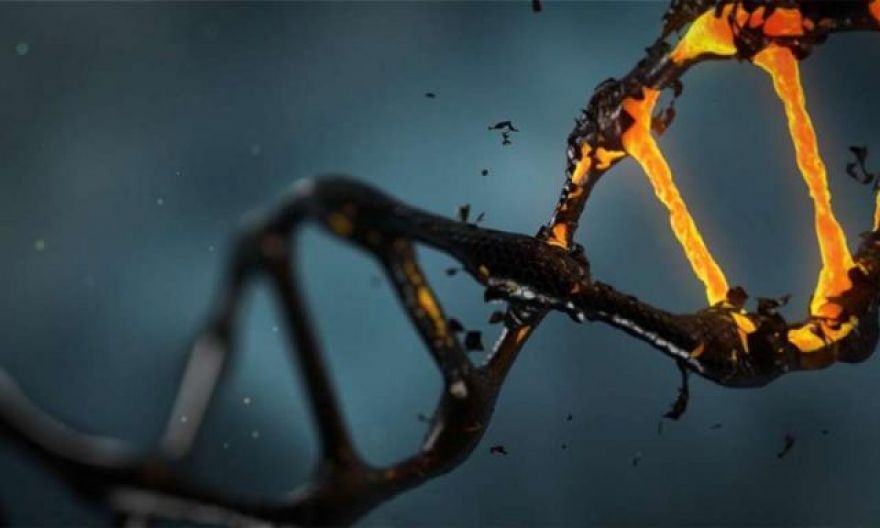
Genetic diseases are a compelling target for viral gene therapy. One condition that scientists are investigating to see if they can treat with gene therapy is a rare genetic disease called Leber congenital amaurosis, or LCA. LCA is a progressive condition that disables critical cells within the retina. The damage begins at birth: it eventually robs patients of central vision and color perception, often rendering them legally blind. But there may be another way. On Wednesday, researchers evidence from a breakthrough gene-editing experiment that restored some color vision to patients with LCA vision loss. CRISPR is already under investigation as a gene therapy for blood disorders like sickle cell disease and beta-thalassemia.

(Photo:Luke Porter/Unsplash)For the time in a month, Facebook has been found creeping past the boundary of what’s reasonably healthy for kids. The company has been planning versions of its product adapted for “tweens” ages 10 through 12 for the last three years, including a kids’ edition of Instagram and Facebook Messenger features that “leverages” childrens’ playdates, according to a new by the Wall Street Journal. The idea of an “Instagram Kids” has floated around for quite some time; its proposed features including hefty parental controls, age-appropriate content, and a lack of advertising. And in a time of generalized social strife, nothing has seemingly united human beings more than a distaste for the product: parents, mental health experts, child welfare advocates, law enforcement, and lawmakers have all the idea on various grounds including impacted cognitive development and child safety.

The word from an increasing number of voices in the semiconductor industry is that shortages and production problems are here to stay for the foreseeable future. Xbox head Phil Hughes is the latest executive to sound off on the problem, and he agrees with assessments from Lisa Su and Jensen Huang: “I think it’s probably too isolated to talk about it as just a chip problem,” Hughes told . “When I think about, what does it mean to get the parts necessary to build a console today, and then get it to the markets where the demand is, there are multiple kind of pinch points in that process.
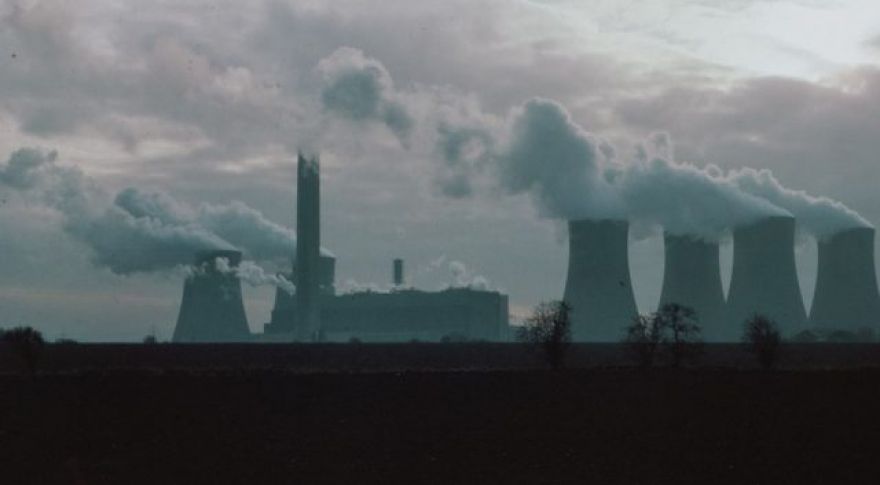
(Photo:Annie Spratt/Unsplash)Big-name tech manufacturers are facing delays, but this time the pandemic isn’t to blame. Commitments to reduce energy consumption and a widespread coal shortage have resulted in some Chinese Apple and Tesla suppliers slowing production and even shutting down for days at a time. China in April that it would be cutting its energy use by 3 percent by the end of 2021, as well as reducing its use of coal down to under 56 percent of its overall energy consumption. (Coal consumption made up 56.8 percent of the country’s energy use in 2020.) But coal shortages have now forced the country to ration its supply by curbing energy use in northeastern China and implementing earlier cuts than expected.