Researchers Bust Antibacterial Spider Silk Myth
In their published Tuesday, researchers Simon Fruergaard, Marie Braad Lund, Andreas Schramm, Thomas Vosegaard, and Trine Bilde report having looked for AMA across seven types of spider silk, accounting for differences within the spider phylogeny.
“We were unable to detect the antimicrobial activity of social spider silk, and this made us curious about why other studies were able to detect antimicrobial activity in spider silk. We then started scrutinizing the papers reporting antimicrobial activity in every detail, and became aware of methodological shortcomings,” Tilde to Gizmodo about the research. A more realistic application of “spider silk” on wounds would involve a spider-inspired synthetic silk in the UK a few years back. The synthetic material may someday be used to deliver drugs and close wounds with less risk of infection.
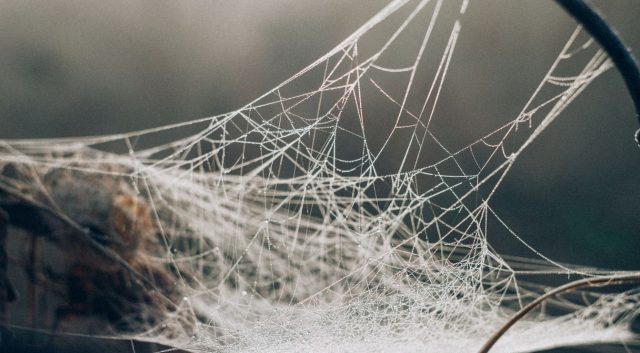
Spider silk can do a lot of things, but it’s met its match in the petri dish. (Photo: Anthony Ievlev/Unsplash)
Spider silk is still incredibly resilient, though. “Spider silk is renowned for its extraordinary physical properties such as high tensile strength and flexibility,” the study reads. “Silk is used as an anchor for rapid escape, a snare for prey capture, to immobilize cannibalistic mates, to make egg cases for protection . . . and even in silk diving bells that facilitate underwater life.” Based on the silk’s wide range of uses and overall durability, it made sense to the researchers at first that it may also protect itself by way of killing off bacteria. Unfortunately, that just isn’t the case.
Now Read: