MIT Creates Wireless Power System For Medical Implants
Technology is constantly becoming more powerful and compact. What used to require a room full of equipment can now work with devices that fit in the palm of your hand. The same is true of medical devices, which are increasingly designed to be implanted in the human body. However, powering such devices is a challenge. Researchers from MIT have (IVN) that could allow powerful medical devices to operate inside the body while getting power from radio waves.
Implantable device functionality is limited by the amount of power available to it, and that’s currently not very much. Since it’s not feasible to install a charging port in the patient, implants need to sip battery power for a long time.
IVN is an evolution of technology known as mid-field coupling. Researchers have been experimenting with this method of transmitting power and data over radio waves for medical devices, but thus far all applications have required an external receiver device to send power to the implant. That somewhat defeats the purpose, doesn’t it? The team has developed a method to transmit power to an implant through as much as 10cm of body tissue. Currently, the transmitter needs to be within a meter of the subject when the implant is 10cm deep. IVN could power sensors just under the skin from as far away as 38 meters.
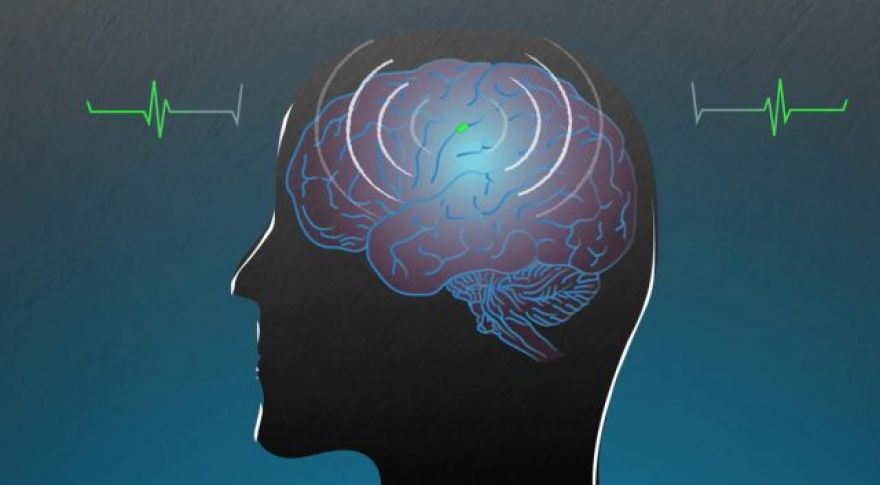
The key to IVN is to transmit on multiple overlapping frequencies at the same time. As the radio waves propagate through the body, the peak of the waves will occasionally match up and reinforce each other. This overcomes the power threshold needed to power implantable devices. The implants use their built-in antennas to collect power from the electromagnetic waves, which can either power the electronics directly or recharge a small battery.
The test device developed by MIT is about the size of a grain of rice, but the team suggests it could be even smaller. This opens the door to more powerful devices as well as microscopic embedded sensors. Doctors could implant such hardware to monitor blood sugar or other critical biochemical markers. That data could trigger other devices on the IVN platform to react — for instance, by releasing insulin.
The team believes this technology has the potential to transform medicine. Their current efforts are focused on making power transfer more efficient in order to commercialize the technology.