Microsoft Fixes Issues With Windows 10 Update on Intel, Toshiba SSDs
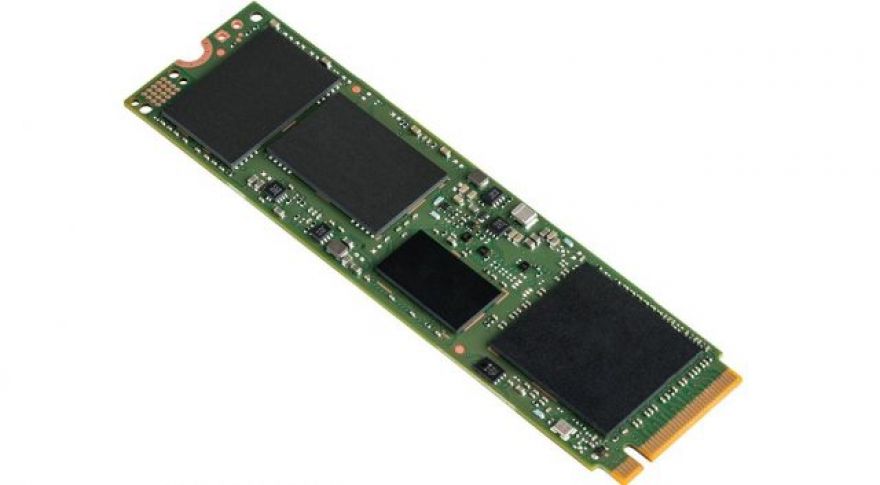
A few weeks back, we covered problems between Microsoft’s latest Windows 10 update (the ) and certain Intel SSDs. Users with an Intel SSD 600p or Pro 600p were advised to until unspecified problems could be resolved. As of now, those issues have been resolved, and customers can begin downloading the update now (assuming that Windows 10 isn’t already offering it to you).
The patch to watch for — the one that resolves the problem — is (OS Build 17134.81). The update notes that it “Addresses an issue with power regression on systems with NVMe devices from certain vendors,” and later name-checks the affected products by name, including the Intel SSD 600p, and Pro 6000p.
The other fixes mentioned in the update are fairly minor, resolving certain issues with time zones, Edge, and Windows Hello Enrollment, which apparently previously failed with using a dGPU. Those of you with an Intel 600-series SSD can perform the update manually if you wish, by visiting this link, or wait for Microsoft to offer it automatically through the standard Windows Update.
While Intel and Toshiba SSDs may be having some specific problems, Windows Update clearly has some flaws of its own. Microsoft has forced some systems into early upgrades despite the machines being configured explicitly not to jump on each OS release, as notes. It’s not clear why this keeps happening to Microsoft’s customers, given that the company explicitly gives business users the option to defer updates for a period of time until a series of bug fixes have rolled out following each of the major releases.
With the April 2018 release now behind it, Microsoft is already gearing up for the inevitable Redstone 5. That release is scheduled for an October drop date, and we don’t know much about the overarching theme. So far, the suggests a handful of UI changes and improvements, expanded support for a dark theme, expanded “snip” support for screenshots, and some additional support for Thunderbolt 3 peripherals and external GPUs.